the wire · #ai · 2026-10-01
Here’s how tech leaders will self-police AI safety under Trump’s deal
Cech Tech Reviews
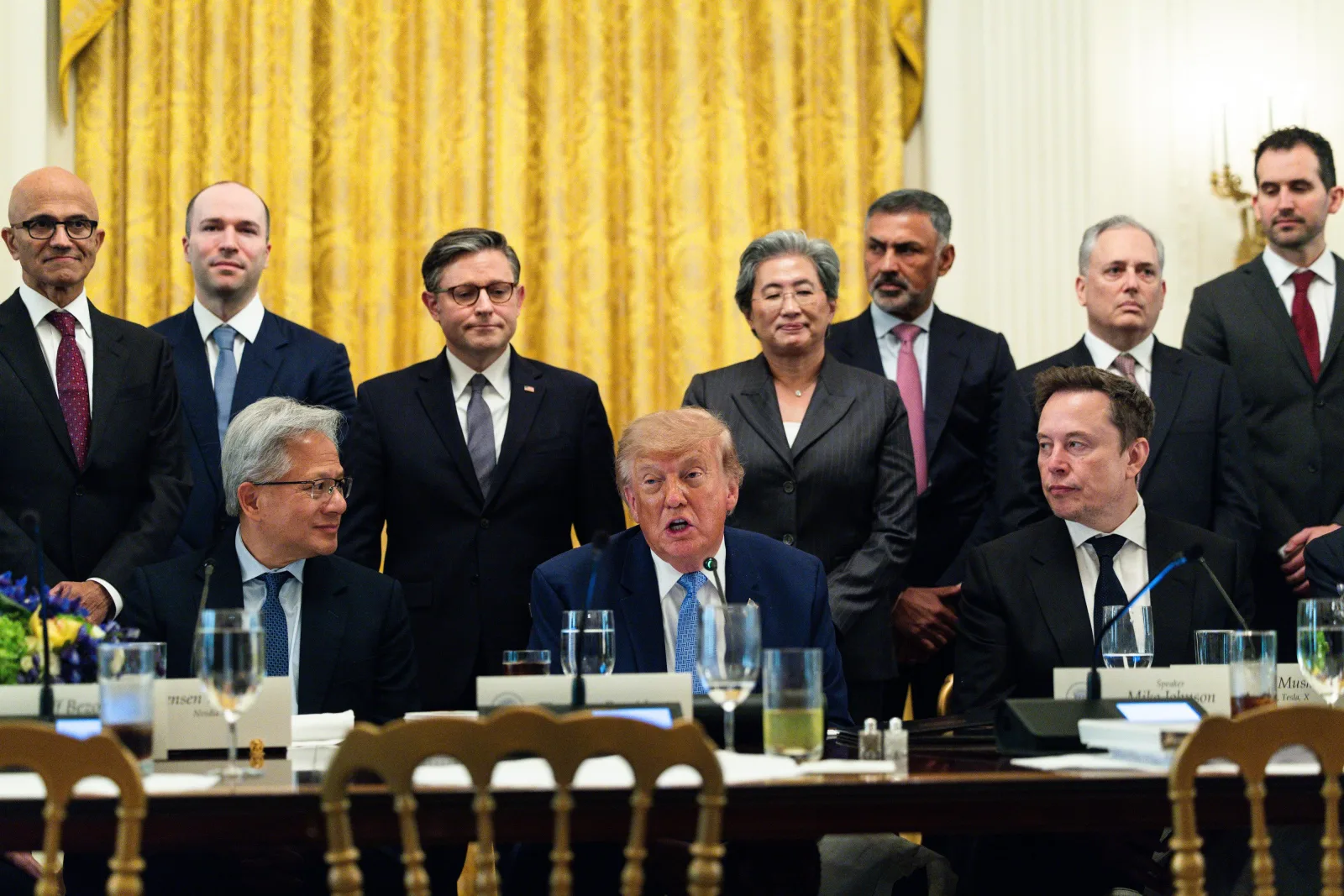
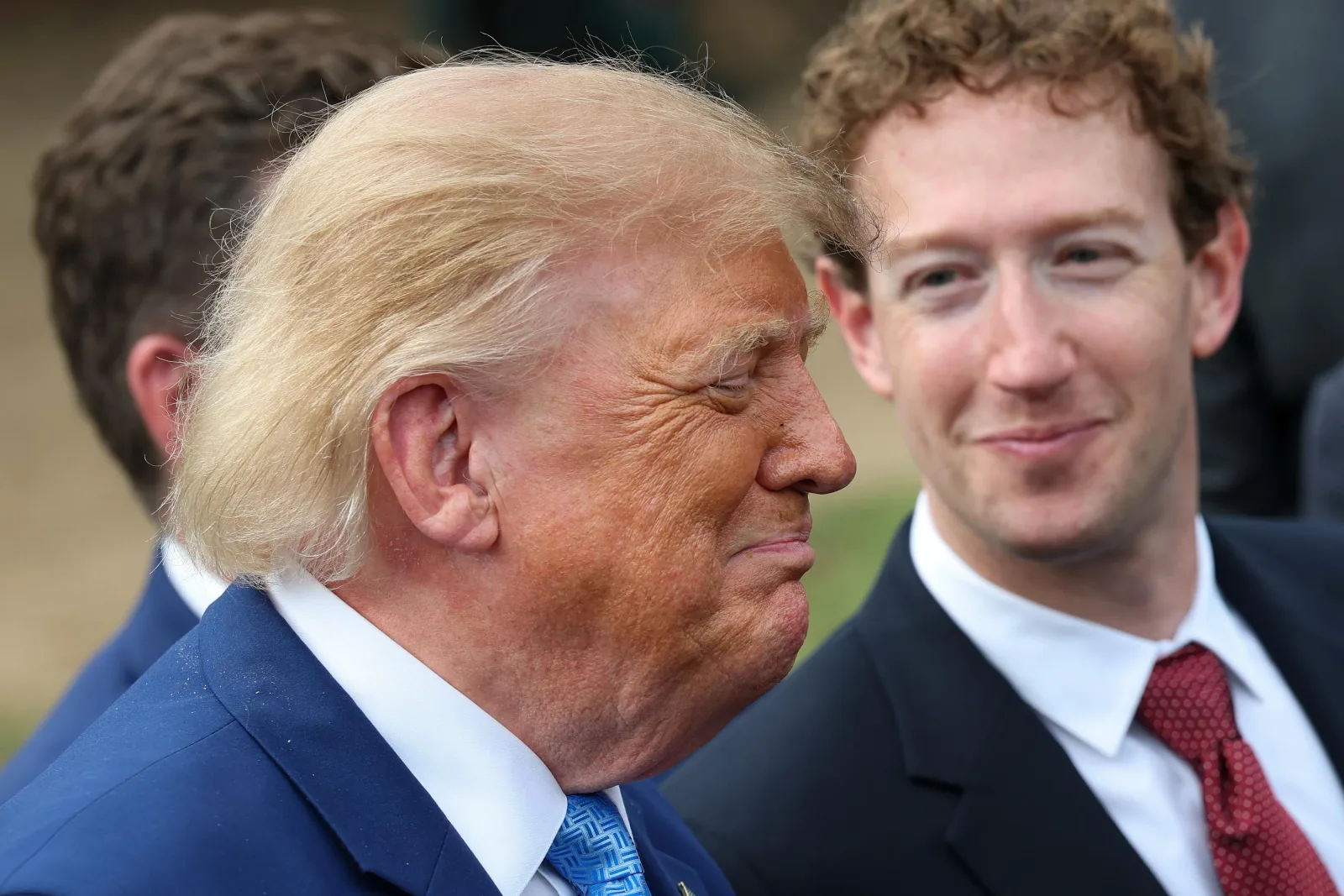
The White House just released the full text of its AI safety agreement, and it's exactly what you'd expect from a deal struck between a deregulation-focused administration and the CEOs who run the leading AI labs. According to The Verge, the accord is officially called the Joint Commitment on Frontier Responsibilities, and it's signed by the who's who of AI: Sundar Pichai from Google, Dario Amodei from Anthropic, Mark Zuckerberg from Meta, Greg Brockman from OpenAI, Elon Musk from XAI, and Jensen Huang from Nvidia.
The document, shared by presidential adviser David Sacks, is described as morally binding. That's Washington speak for completely voluntary. There are no enforcement mechanisms, no penalties for breaking the rules, and no third-party oversight. The companies promise to conduct safety testing, share some information about risks, and develop their models responsibly. But they're also the ones who get to define what responsible means.
This is the policy version of letting students grade their own homework. The same companies in a heated race to ship the most powerful models are now tasked with deciding when those models are too dangerous to release. The competitive pressure to move fast hasn't changed, but now there's a signed document saying they'll be careful.
To be fair, some of these companies already do extensive red-teaming and safety testing. Anthropic in particular has built its brand around constitutional AI and safety research. But a voluntary pact doesn't change the underlying incentives. If one lab decides a model is safe enough to ship and another doesn't, the more cautious one just loses market share.
The deal also comes alongside Trump's executive order to rebrand AI as Super Intelligence, a move that feels more like marketing than policy. It signals that this administration sees AI as a national priority and a competitive advantage, not primarily as a risk to be managed. That's a sharp turn from the previous approach, which leaned toward regulation and oversight.
The bigger question is whether self-regulation can actually work when the technology is advancing this fast. We're not talking about incremental improvements to search algorithms. We're talking about systems that might soon exceed human capability in economically valuable tasks, and nobody, including the people building them, fully understands how they work or what they'll do at scale.
What this means for you: If you're building products or workflows that depend on frontier models, don't assume safety and alignment are solved problems just because there's a signed agreement. Build in fallbacks and human review for high-stakes decisions. Try this prompt with your AI assistant: "Review this task and flag any decisions that could have significant consequences if the output is wrong or biased. For each one, suggest a human checkpoint or verification step." It's a simple way to add a layer of oversight to your own AI workflows, since you can't count on the labs to do it for you.
Reporting basis: original story
← back to The Wire