the wire · #global · 2026-08-16
Google Turns On Gemini A.I. for Students Using Its Classroom App
Cech Tech Reviews
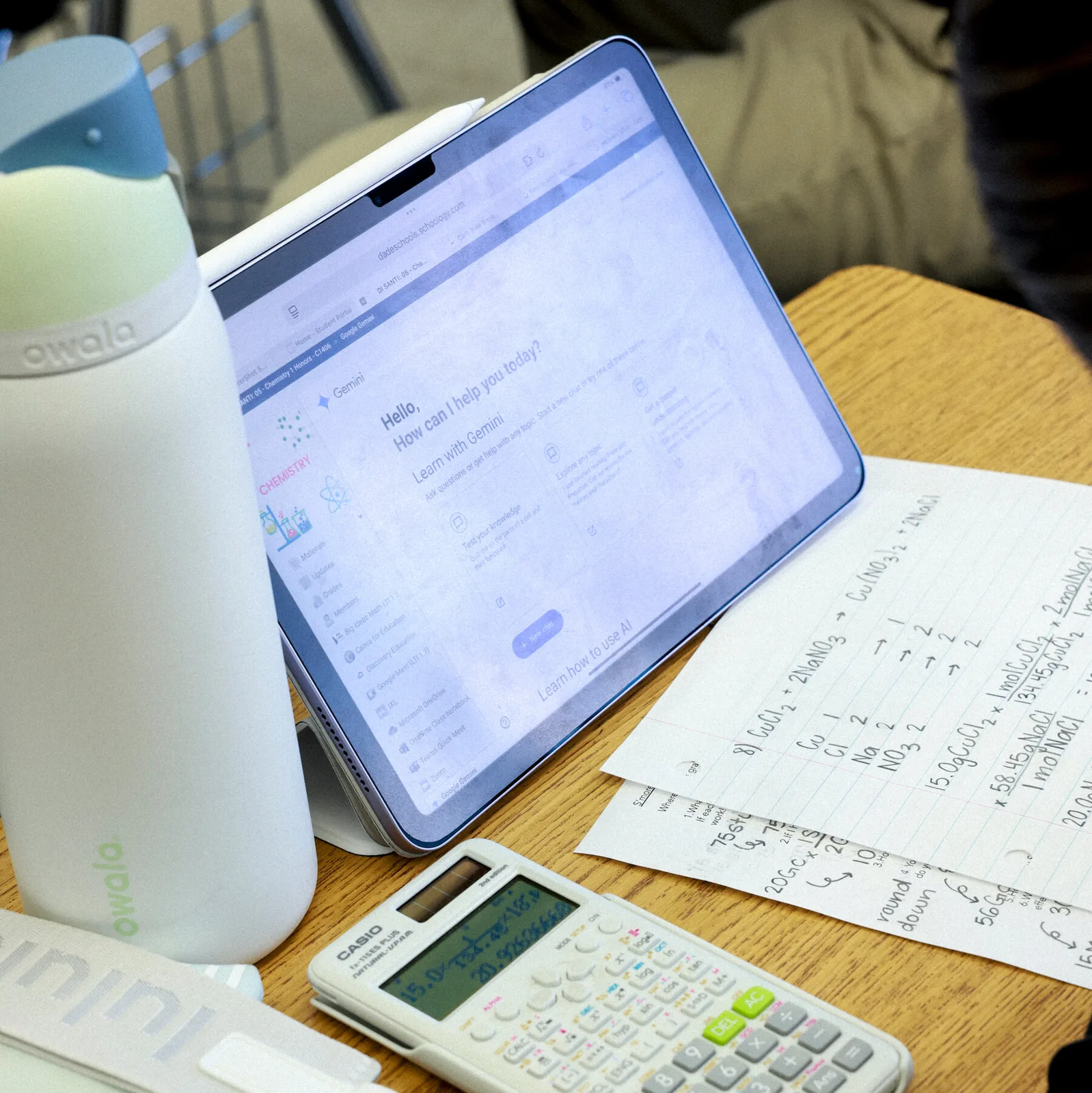
Google has officially flipped the switch on Gemini for K-12 students using its Classroom application. This is a major pivot from previous policies where the tech giant restricted these powerful generative AI features to users aged eighteen and older. The change signals a growing confidence in the safety and utility of these tools for younger demographics.
According to recent reports, this update allows students in participating schools to interact with Gemini directly within their existing educational environment. It is not a separate app but an integrated feature designed to streamline workflows that students already use daily. This seamless integration lowers the barrier to entry for adopting AI in academic settings.
The decision reflects a broader industry trend where schools are moving from cautious observation to active integration of AI tools. Educators and administrators are increasingly recognizing that banning AI is often impractical. Instead, they are focusing on teaching responsible usage and leveraging these tools to enhance productivity and creativity.
This expansion also highlights the competitive pressure in the EdTech sector. As Microsoft and other players push AI into educational platforms, Google is ensuring its Classroom ecosystem remains relevant. By embedding Gemini, they are keeping teachers and students within their proprietary walled garden while offering cutting-edge capabilities.
However, the rollout comes with significant caveats regarding data privacy and content filtering. Google has stated that student data is not used to train the underlying models. This is a critical distinction for parents and school districts concerned about digital footprints. The company has implemented specific safeguards to prevent inappropriate outputs for younger audiences.
The implications for educators are profound. Teachers can now expect students to use AI for brainstorming, drafting, and research assistance. This requires a shift in how assignments are designed and graded. The focus may move from the final product to the process of inquiry and critical evaluation of AI-generated content.
What this means for you: If you are an educator or student, start experimenting with AI-assisted learning now. Use this prompt to test how Gemini can help structure a research outline: "Act as a research assistant. Help me create a detailed outline for a project on [Topic]. Include key questions to investigate and potential sources to look for, but do not write the essay for me."
This approach encourages critical thinking rather than passive consumption. It is essential to develop these skills early as AI becomes a standard part of the digital landscape. The goal is not to replace human effort but to augment it with intelligent assistance.
Reporting basis: original story
← back to The Wire