the wire · #topnews · 2026-08-14
This Art Project Slows Down Citi Bikes to Make NYC’s Rent Crisis Feel Real
Cech Tech Reviews
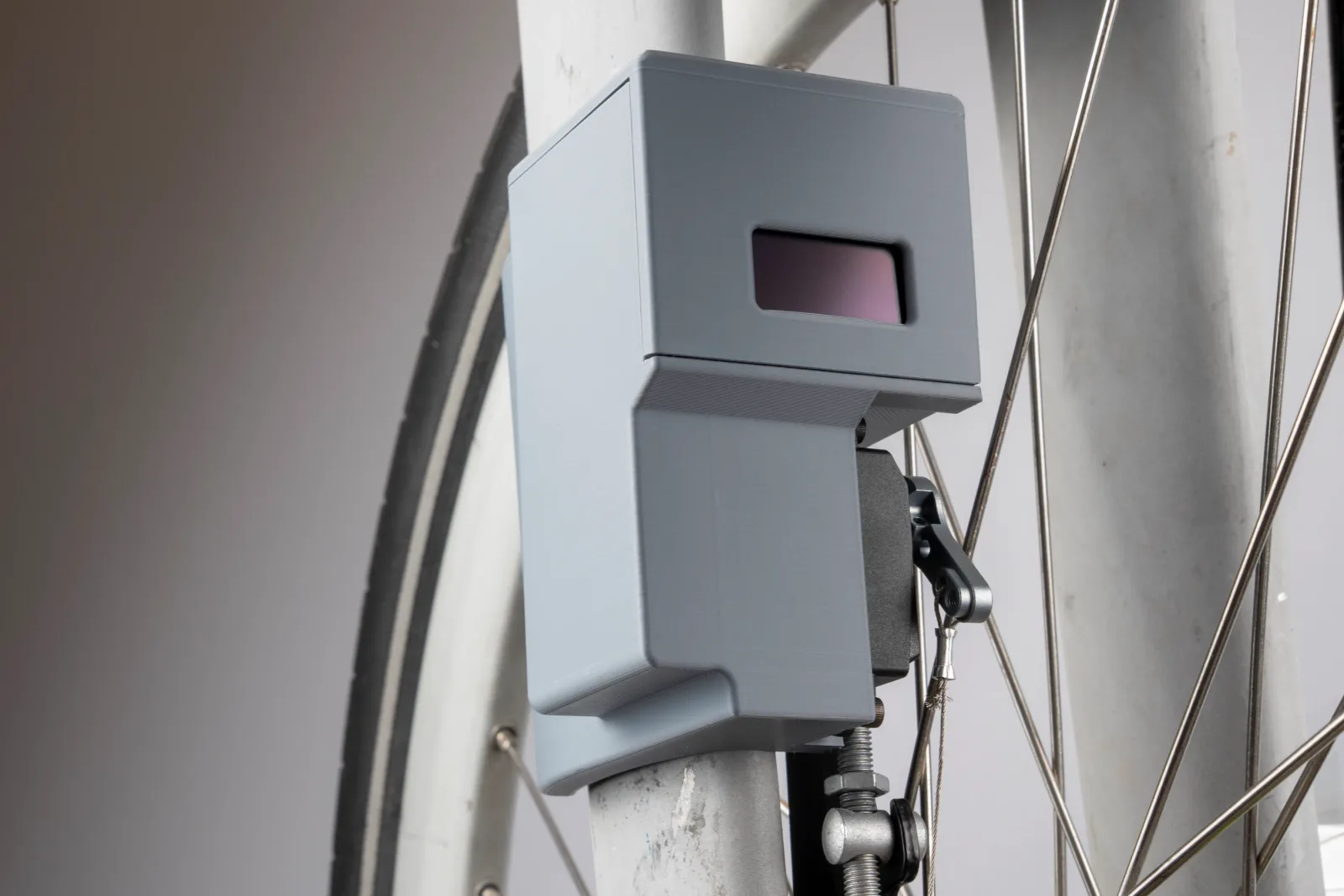
The intersection of urban infrastructure and social commentary has produced a striking new installation called Ground Truth. According to reporting on the project, this initiative physically alters Citi Bikes to make them significantly harder to pedal as they enter rent-burdened neighborhoods. This is not a software glitch or a mechanical failure. It is a deliberate artistic choice designed to make the abstract concept of income inequality feel physically tangible to riders.
The core mechanism is deceptively simple yet profoundly effective. As a cyclist crosses into specific geographic zones characterized by high housing costs, the bike’s resistance increases. This creates a literal drag on the rider’s effort. The harder the rent burden, the more energy you must expend just to maintain a normal pace. It transforms a routine commute into a visceral lesson in economic disparity.
This approach moves beyond data visualization and into somatic experience. Most people understand rent prices intellectually through news articles or personal budgeting. They rarely feel the weight of those numbers in their muscles. By forcing the body to react to the economic landscape, Ground Truth bridges the gap between statistical reality and physical sensation. It makes the invisible visible through exertion.
The project highlights a growing trend in tech-enabled art that uses existing public infrastructure as its canvas. Rather than building new hardware, the artists leveraged the widespread Citi Bike system. This allows the message to reach a diverse audience of commuters, tourists, and locals. It turns the city itself into a responsive instrument that communicates social issues through everyday interaction.
From an AI and tech perspective, this raises interesting questions about sensor integration and real-time data processing. While the current iteration may use manual or simple mechanical triggers, future iterations could potentially use geofencing and IoT sensors. Imagine a system that adjusts resistance dynamically based on real-time housing market data or individual user income brackets. The technology to make this seamless and scalable already exists in various forms.
The implications for urban planning and public awareness are significant. When policymakers and citizens physically feel the barriers created by housing policies, the call for change may become more urgent. Art has always been a mirror for society. This project holds up a mirror that resists your progress, forcing you to confront the friction that many New Yorkers face daily without even leaving their homes.
What this means for you: Use AI to visualize abstract data in your own work. If you deal with complex metrics like customer churn or operational costs, try asking an AI assistant to create a metaphorical analogy. For example, prompt: "Explain our Q3 customer churn rate as if it were a physical obstacle in a bike race. Describe how it feels to push through it." This helps teams empathize with data rather than just analyzing it.
Reporting basis: original story
← back to The Wire