the wire · #topnews · 2026-08-15
New York City Lawmakers Push to ‘Ban the Scan’ at MSG
Cech Tech Reviews
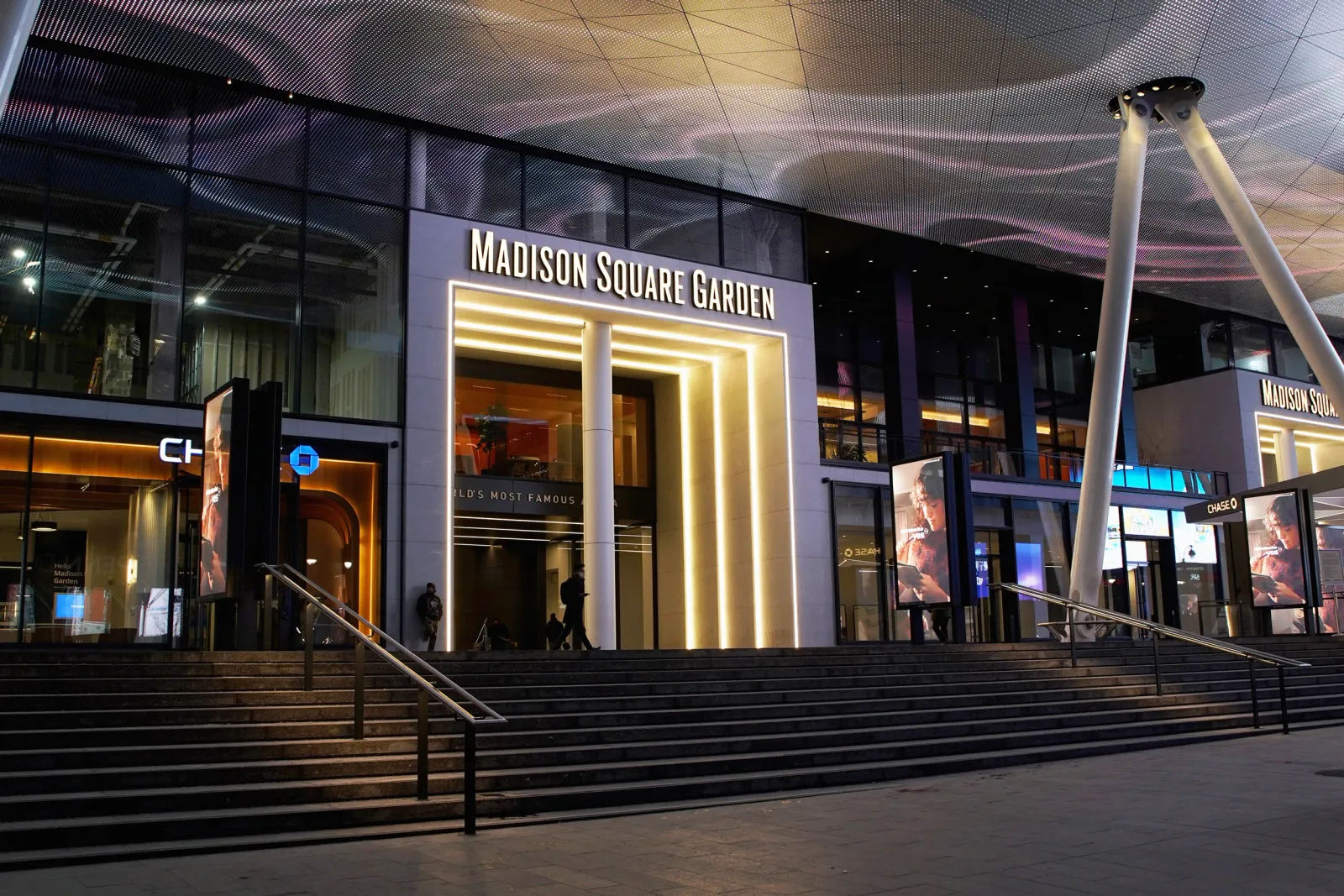
New York City politicians held a press conference outside Madison Square Garden this week calling for stricter limits on facial recognition technology at entertainment venues, according to reports from the event. The push comes after MSG Entertainment made headlines for using its facial recognition system to identify and ban attorneys whose firms are involved in litigation against the company, even when those lawyers were attending events as paying customers.
This is not just about one arena's security policy. MSG's approach has turned facial recognition from a safety tool into a corporate blacklist enforcement mechanism. When a venue can scan every face at the entrance and cross-reference it against legal opponents, family members of critics, or anyone else they decide to exclude, it fundamentally changes the nature of public accommodation. You are being identified and judged before you even know you are being watched.
The proposed legislation would require venues to disclose their use of facial recognition technology and obtain explicit consent before scanning attendees. It would also limit how that biometric data can be used and stored. For an industry that has rapidly adopted these systems with little oversight, these restrictions represent a meaningful check on surveillance creep in spaces where people expect to enjoy entertainment, not be cataloged.
The coalition behind the push includes musicians concerned about fan privacy and civil liberties groups who have long warned about biometric data collection without consent. Their argument is straightforward: attending a concert or basketball game should not require surrendering your biometric identity to a private corporation with unclear data practices and a track record of using that information punitively.
If New York passes these restrictions, other cities will watch closely. Facial recognition has already been banned by some municipalities for government use, but private venues have largely operated in a regulatory gray zone. A clear framework from a major city like New York could establish the template other jurisdictions follow, particularly as more venues adopt these systems.
What this means for you: If you are building or advising companies that handle any form of biometric data, user consent and transparency are no longer optional nice-to-haves. They are becoming the regulatory baseline. Before deploying any system that identifies individuals, ask your AI assistant to audit your consent flows and privacy disclosures. Try this prompt: "Review our current user consent process for [specific biometric feature]. Identify gaps compared to NYC's proposed biometric privacy requirements and suggest specific language changes to ensure compliance and build user trust." Getting ahead of regulation is cheaper than retrofitting after the fact.
Reporting basis: original story
← back to The Wire