the wire · #topnews · 2026-09-18
He Won the Nobel Prize for Protein Design. Now He Uses AI to Create Molecules Not Found in Nature
Cech Tech Reviews
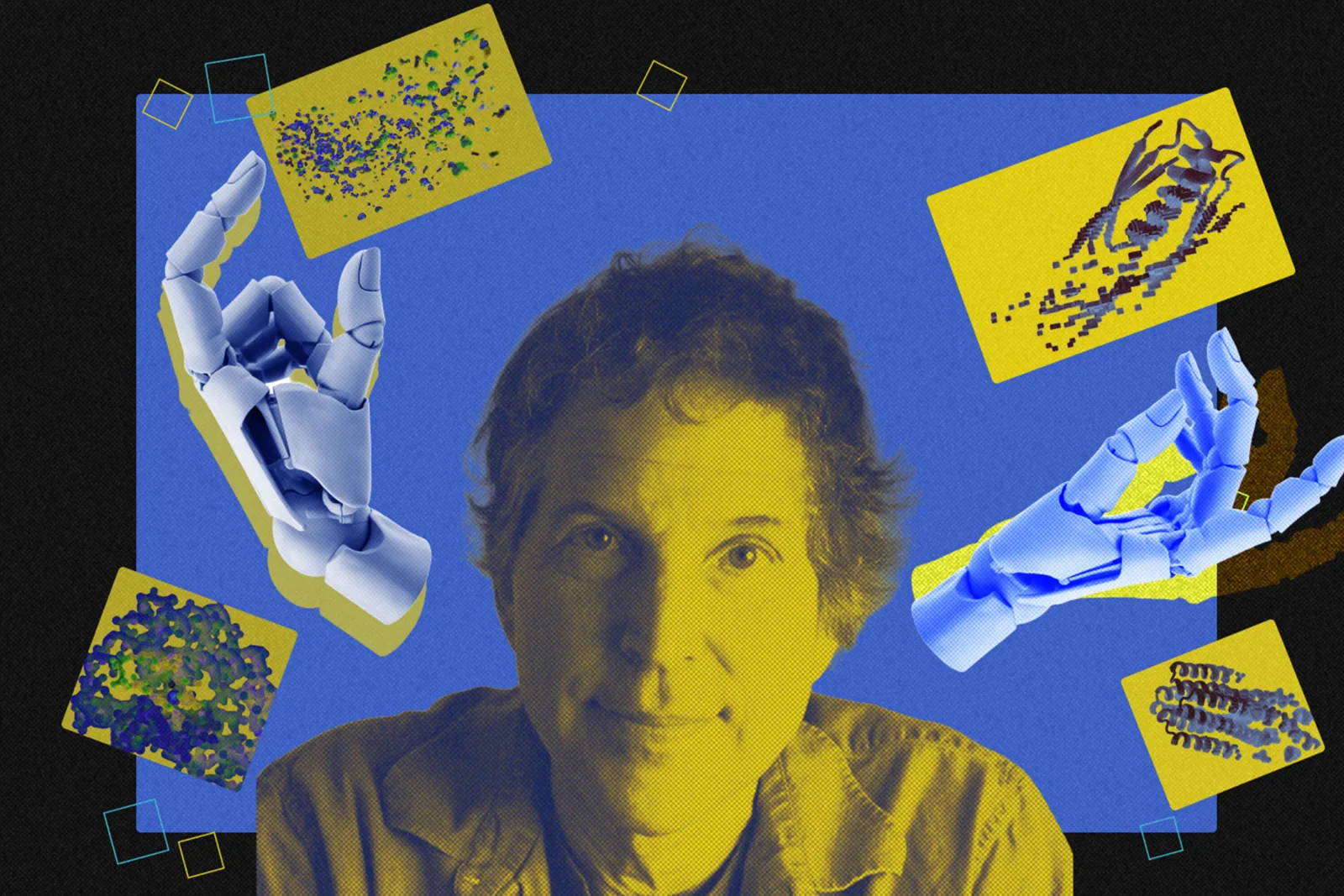
David Baker’s journey from a theoretical biochemist to a Nobel Prize winner in Chemistry marks a pivotal shift in how we approach biological engineering. According to his recent conversation with WIRED en Español, the focus is no longer just on understanding life but on actively designing it using artificial intelligence. This transition represents a fundamental change in the scientific method, moving from observation to creation.
The core of Baker’s work involves using AI to generate proteins that do not exist in nature. These synthetic molecules are not merely copies of existing biological structures. They are entirely new constructs designed to perform specific functions, such as targeting diseases or breaking down pollutants. This capability opens doors that were previously closed to traditional biological research.
However, this power comes with a heavy responsibility. Baker acknowledges that creating biology from scratch introduces unique risks that society must address. The ability to design novel pathogens or toxins is a direct consequence of this technology. He argues that the scientific community cannot ignore these potential dangers while pursuing innovation.
The discussion highlights a growing tension between the speed of AI development and the pace of regulatory oversight. Baker suggests that proactive safety measures are essential to prevent misuse. This is not just about preventing accidents but about ensuring that the benefits of synthetic biology are distributed equitably and safely.
For entrepreneurs and developers in the AI space, this news signals a maturation of the field. We are moving beyond simple pattern recognition into complex, multi-variable design challenges. The implications for drug discovery, material science, and environmental cleanup are profound. Companies that can navigate the safety landscape will likely lead the next wave of biotech innovation.
The broader industry must now consider how to integrate these advanced design tools into existing workflows. It is not enough to have the technology; we need frameworks for ethical deployment. This includes robust testing protocols and transparent reporting standards. The goal is to harness the potential of AI while mitigating the risks of creating unknown biological entities.
What this means for you: As AI tools become more capable of generating complex structures, you must prioritize validation and safety in your projects. If you are working on generative models, consider adding a safety layer that checks outputs against known harmful patterns. Try this prompt with your AI assistant to evaluate your current workflow: "Analyze this generative AI pipeline for potential safety risks in output validation and suggest three specific checkpoints to prevent the creation of unintended or harmful biological structures."
Reporting basis: original story
← back to The Wire