the wire · #topnews · 2026-09-18
Meta’s Copyright System Is Being Weaponized Against Albanian Protesters
Cech Tech Reviews
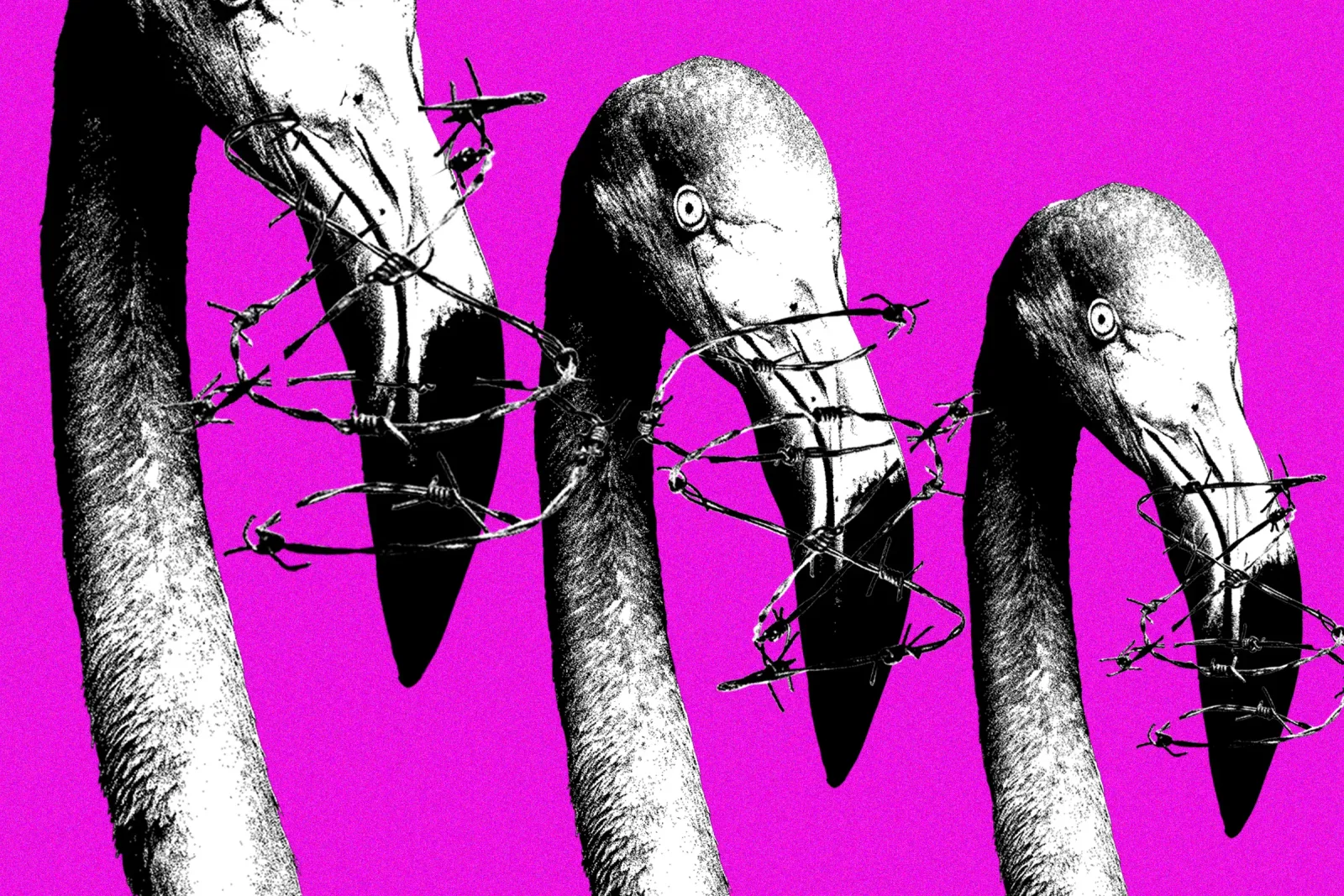
Meta has long positioned itself as a neutral platform for free expression, but recent events in Albania suggest a troubling gap between policy and practice. According to reports, the sudden mass suspension of Instagram accounts linked to the Flamingo Revolution protests has sparked fears of coordinated suppression. This is not just a technical glitch. It appears that copyright enforcement mechanisms are being exploited to target political dissent.
The Flamingo Revolution has seen daily anti-government demonstrations for three months. Participants rely heavily on social media to organize, share evidence of police conduct, and mobilize support. When Instagram accounts are suspended en masse, the immediate impact is a disruption of this vital communication channel. The timing of these suspensions, coinciding with peak protest activity, cannot be ignored by observers.
Copyright claims are often used as a blunt instrument against content creators. In this context, they seem to be weaponized against protesters. Users report that their posts were removed or accounts banned based on copyright strikes, even when the content was original. This suggests a systemic failure in Meta’s review processes or, more alarmingly, a deliberate strategy to curb visibility. The lack of transparency in these decisions makes it difficult for users to appeal or understand the root cause.
This incident highlights a broader trend in tech governance. Automated moderation systems are increasingly used to manage vast amounts of content. However, these systems often lack the nuance to distinguish between legitimate copyright infringement and political speech. When algorithms are tuned to prioritize copyright compliance, they can inadvertently or intentionally suppress marginalized voices. The result is a chilling effect on free expression, particularly in regions where digital platforms are the primary means of political engagement.
The implications for AI and tech companies are significant. As platforms face increasing scrutiny over their role in democratic processes, they must rethink their moderation strategies. Relying solely on automated tools is no longer sufficient. There is a need for more robust human oversight and clearer guidelines for handling politically sensitive content. Companies must also be more transparent about how they handle copyright claims, especially when they impact public discourse.
For developers and entrepreneurs building AI tools, this is a critical lesson. The technology we create can be used to amplify voices or silence them. We must design systems that are not only efficient but also fair and accountable. This means building in safeguards against abuse and ensuring that our tools do not become instruments of censorship. The responsibility lies with us to create technology that serves the public interest, not just corporate bottom lines.
What this means for you: If you use AI tools to manage social media or content creation, be aware of the risks of automated enforcement. Always keep backups of your original content and understand the terms of service of the platforms you use. Consider using AI to help you draft appeals or document discrepancies in moderation decisions. Here is a prompt you can try: "Analyze this copyright strike notice and draft a polite, factual appeal highlighting that the content is original and part of a public interest discussion, citing relevant fair use principles."
Reporting basis: original story
← back to The Wire