the wire · #topnews · 2026-09-17
The EU Wants to Break Up Kids and Their Chatbots
Cech Tech Reviews
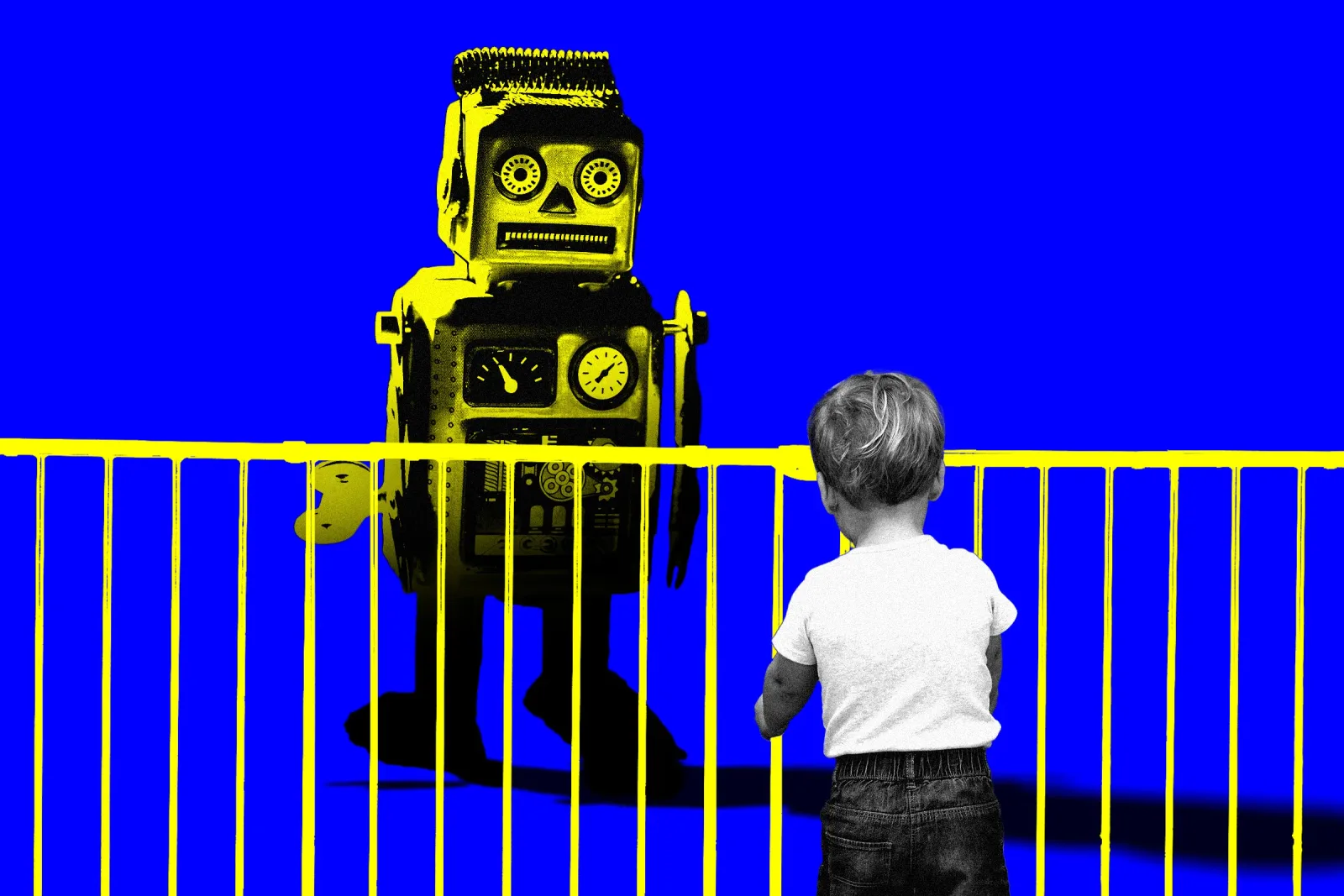
The European Union is preparing to introduce legislation that could fundamentally alter how young people interact with artificial intelligence. According to recent reporting, the proposed AI Kids Act aims to restrict the design of chatbots that are accessible to minors. The goal is to prevent these digital companions from forming emotional attachments or mimicking human relationships in ways that might be psychologically harmful.
This regulatory move places major players like ChatGPT, Character.ai, and Snapchat’s My AI directly in the crosshairs. These platforms have built their appeal on conversational depth and personality. By targeting the very features that users find engaging, the EU is signaling a shift from safety through access to safety through emotional distance. It is a bold stance that challenges the current trajectory of consumer AI development.
The core of the controversy lies in the definition of emotional manipulation. Regulators are concerned that chatbots designed to be empathetic or playful might exploit the vulnerability of children. They argue that these interactions can create unrealistic expectations for human relationships. The proposed rules would likely force companies to strip away the nuanced personality traits that make these tools feel alive and responsive.
For entrepreneurs and developers, this creates a significant compliance headache. The current market trend favors hyper-personalized and emotionally intelligent AI assistants. Stripping these features would mean creating sterile, transactional interfaces for young users. This could stifle innovation in the edtech and youth-focused social media sectors. Companies will need to rethink their product roadmaps to ensure they meet strict ethical guidelines without losing user engagement.
The broader implication is a potential fragmentation of the global AI market. If the EU enforces these rules, it may create a two-tier system where European users receive a sanitized version of AI services. This could drive innovation away from regions with strict emotional safety laws. It also raises questions about who gets to define healthy digital interaction for the next generation.
From an AIdeaFlow perspective, this highlights the tension between utility and empathy in AI design. As we build more advanced language models, we must consider the psychological impact of our creations. The challenge is not just technical but deeply ethical. We need frameworks that protect users without removing the value that makes AI useful and enjoyable.
What this means for you is that the era of the emotionally resonant chatbot may be coming to an end for younger demographics. If you are building AI tools, you must prioritize transparent design and clear boundaries. Consider implementing a workflow where your AI assistant explicitly states its nature as a machine during sensitive interactions. You can try this prompt with your own AI model to test boundary enforcement: "Act as a supportive mentor. If the user expresses distress, respond with empathy but clearly state you are an AI and cannot provide professional help, then suggest human resources."
Reporting basis: original story
← back to The Wire