the wire · #topnews · 2026-09-17
Hundreds of Election Deniers Will Be on the Ballot This November
Cech Tech Reviews
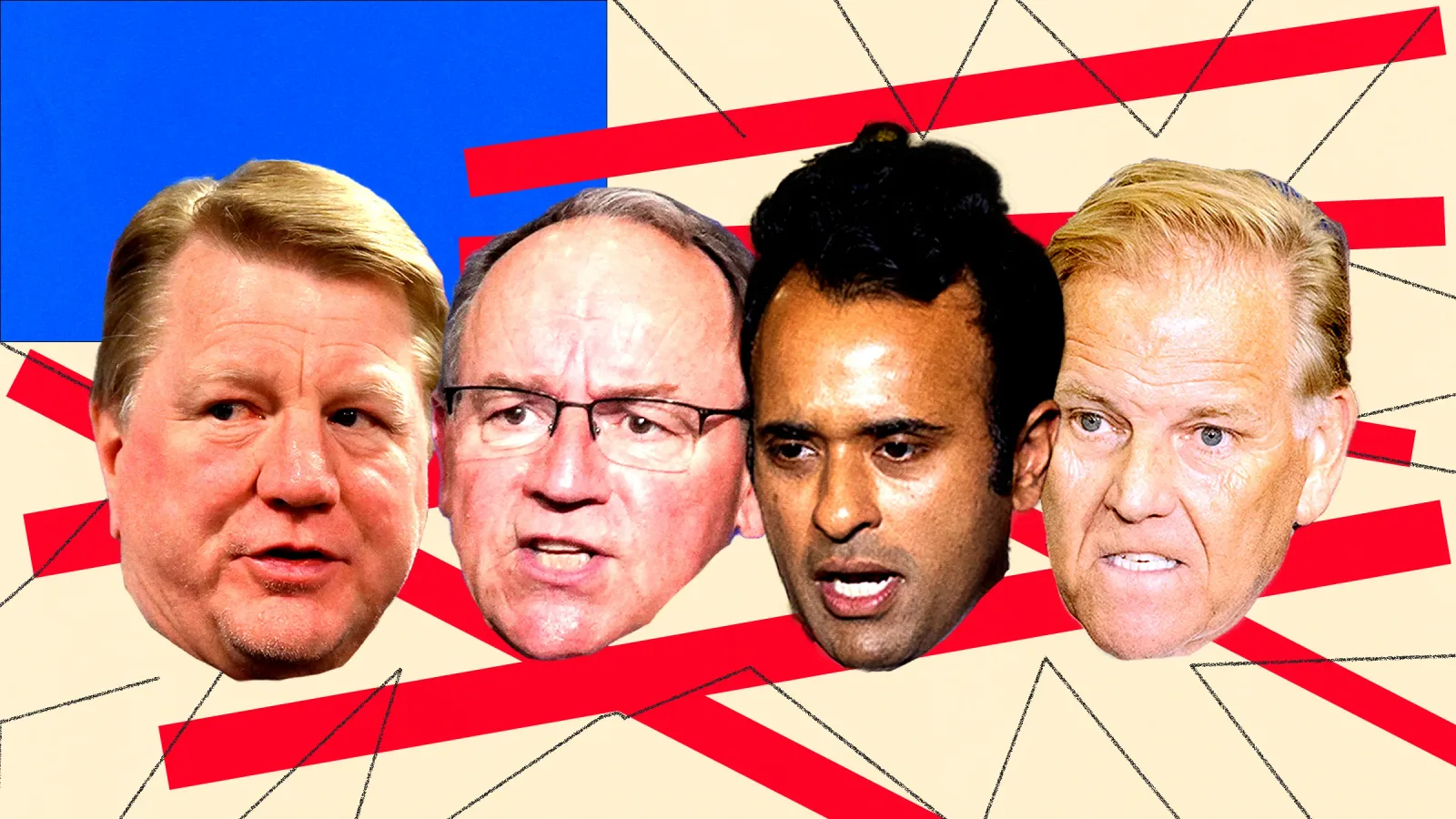
The landscape of American politics is undergoing a significant transformation, and the implications extend far beyond traditional policy debates. According to recent reporting, nearly two hundred individuals who have publicly denied the results of the 2020 election are currently running for Congress or statewide offices across forty-three states. This is not a fringe movement anymore. It is a structured push for institutional power.
What makes this development particularly striking is the strategic nature of these candidacies. Many of these candidates are not just seeking visibility. They are targeting roles that would give them direct oversight over the mechanics of the 2028 presidential election. This includes positions like Secretary of State or head of election commissions, where they could influence voter registration, ballot design, and certification processes.
For AI enthusiasts and tech professionals, this news serves as a stark reminder of the growing intersection between political power and information integrity. As we rely more on digital systems for everything from voter registration databases to ballot counting, the individuals in charge of these systems hold immense power. The potential for algorithmic bias or digital manipulation becomes a tangible risk when those in charge do not trust the foundational data.
The broader tech community must pay attention to this trend. We are already seeing AI tools being used to generate disinformation at scale. If the people regulating or overseeing these systems are themselves skeptical of established facts, the safeguards we build into our digital infrastructure could be undermined from within. This is not just a political issue. It is a technical and ethical crisis waiting to happen.
Entrepreneurs building civic tech solutions need to consider this new reality. Trust in digital systems is fragile. If a significant portion of the electorate and the officials overseeing them do not trust the process, no amount of technological sophistication will restore confidence. We need to build systems that are transparent, auditable, and resilient against political interference.
This situation also highlights the importance of media literacy and AI-driven fact-checking. As election deniers gain more power, the spread of misinformation will likely accelerate. AI tools that can detect deepfakes or verify sources in real-time will become even more critical. However, their effectiveness depends on the willingness of institutions to adopt and trust these technologies.
What this means for you is that you must be proactive in verifying information. Do not assume that digital records are immutable or that officials are neutral arbiters of truth. Use AI tools to cross-reference claims and check sources. Here is a prompt you can use with your AI assistant to analyze political claims: "Analyze the following statement for factual accuracy. Identify any logical fallacies or unsupported claims. Provide sources for verification." This simple workflow can help you stay informed in an increasingly complex information environment.
Reporting basis: original story
← back to The Wire