the wire · #ai · 2026-09-30
Here's what AI leaders are saying about Trump’s new safety plan
Cech Tech Reviews
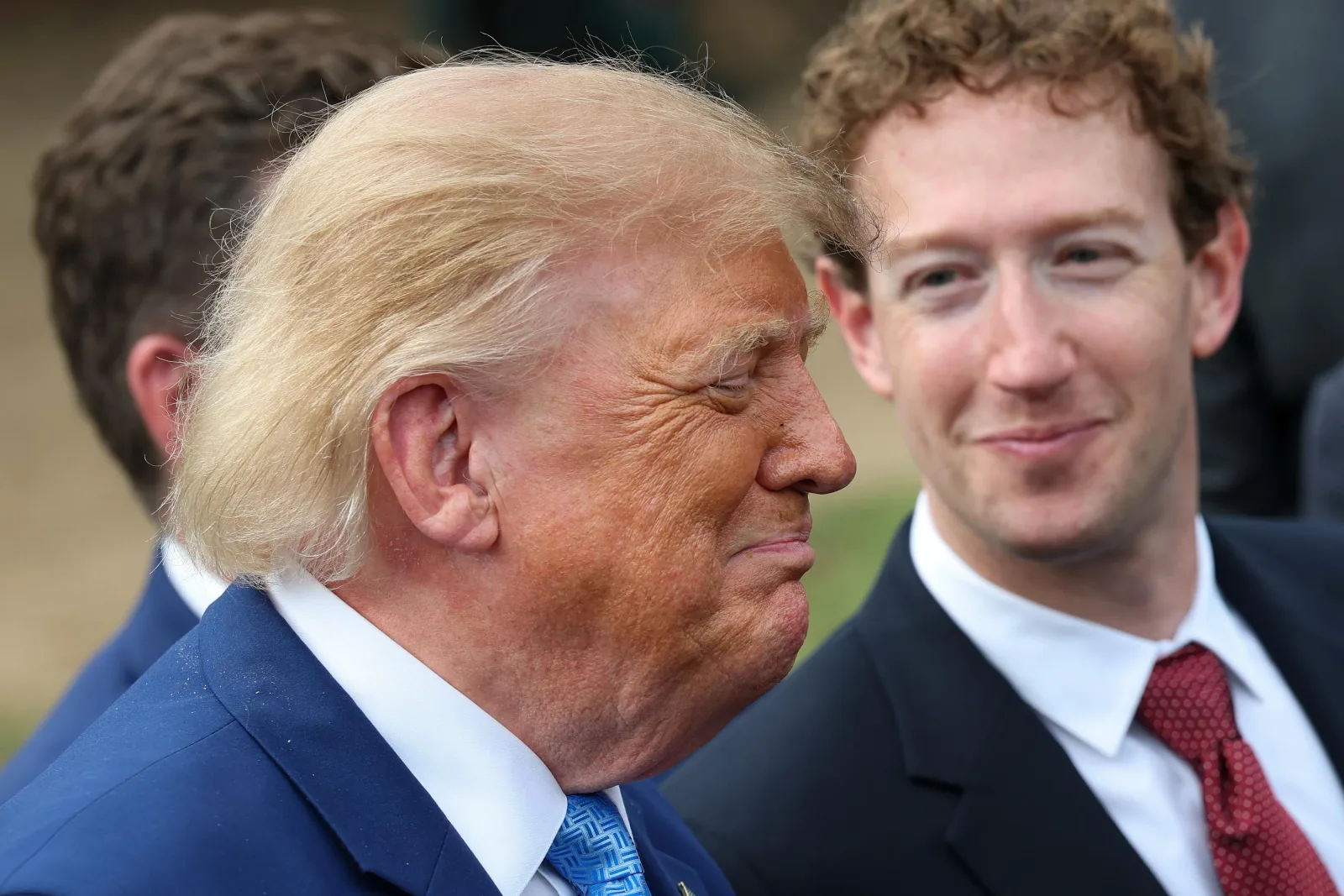
The political landscape for artificial intelligence just took a sharp and somewhat confusing turn. President Donald Trump recently hosted a dinner with major tech executives, including Mark Zuckerberg, and the aftermath reveals a significant pivot in his administration's stance on AI governance. According to reporting by The Verge, Trump has effectively abandoned his previous characterization of AI safety concerns as a Democratic hoax. He now refers to the technology as "Super Intelligence" and suggests that the risks are being managed through a different mechanism entirely.
The core of this new strategy relies on the concept of mutual surveillance among the industry's biggest players. Trump stated that instead of implementing strict federal regulations, he is relying on "the smartest people in the world watching over each other." This approach places the burden of safety on the shoulders of tech giants like Google and Meta, rather than on government agencies. It is a classic deregulatory move wrapped in the language of elite competence and corporate responsibility.
This shift also carries a heavy geopolitical undertone. Trump brushed off concerns about insufficient guardrails by pointing to the competitive dynamic with China. He argued that US companies are currently dominating the Chinese market, implying that this economic leverage serves as a sufficient check on reckless behavior. The logic here is that market competition and national pride will enforce safety standards more effectively than bureaucratic rules. It frames AI development as a high-stakes race where speed and dominance are the primary metrics of success.
The visual of the event, particularly the reaction of tech leaders, adds a layer of tension to these announcements. Photos from the dinner show a mix of camaraderie and apprehension, with some executives appearing visibly stressed when called upon to speak. This suggests that the industry is not entirely comfortable with the idea of self-policing without clear regulatory boundaries. The pressure to maintain dominance while avoiding public backlash is likely a significant source of anxiety for these leaders.
From an analytical perspective, this move represents a gamble on the efficacy of corporate self-regulation. History has shown that companies often prioritize growth and market share over safety when left to their own devices. By removing the threat of federal intervention, the administration is betting that the competitive pressure from China will be enough to keep US firms in check. This ignores the possibility that safety measures could slow down innovation or increase costs, potentially putting US companies at a disadvantage in the long run.
The rebranding of AI as "Super Intelligence" is also noteworthy. It signals a move away from the current narrative of narrow AI and toward a more futuristic, potentially more dangerous concept. This linguistic shift may be intended to elevate the perceived stakes of the technology, justifying the lack of immediate regulation. It frames the issue as one of existential importance rather than routine technological management.
What this means for you The move toward industry self-regulation means that compliance standards may become fragmented and less predictable. Professionals in the AI space should prepare for a landscape where safety is defined by corporate policy rather than law. To stay ahead, you can use an AI assistant to model potential regulatory scenarios. Try this prompt: "Act as a risk analyst. Outline three potential regulatory frameworks for AI safety that could emerge if the US government continues to rely on industry self-regulation. For each framework, list two key compliance challenges for a mid-sized AI startup." This will help you anticipate shifts in the compliance landscape before they become official policy.
Reporting basis: original story
← back to The Wire