the wire · #ai · 2026-07-22
Here's what Samsung's smart glasses actually look like
Cech Tech Reviews
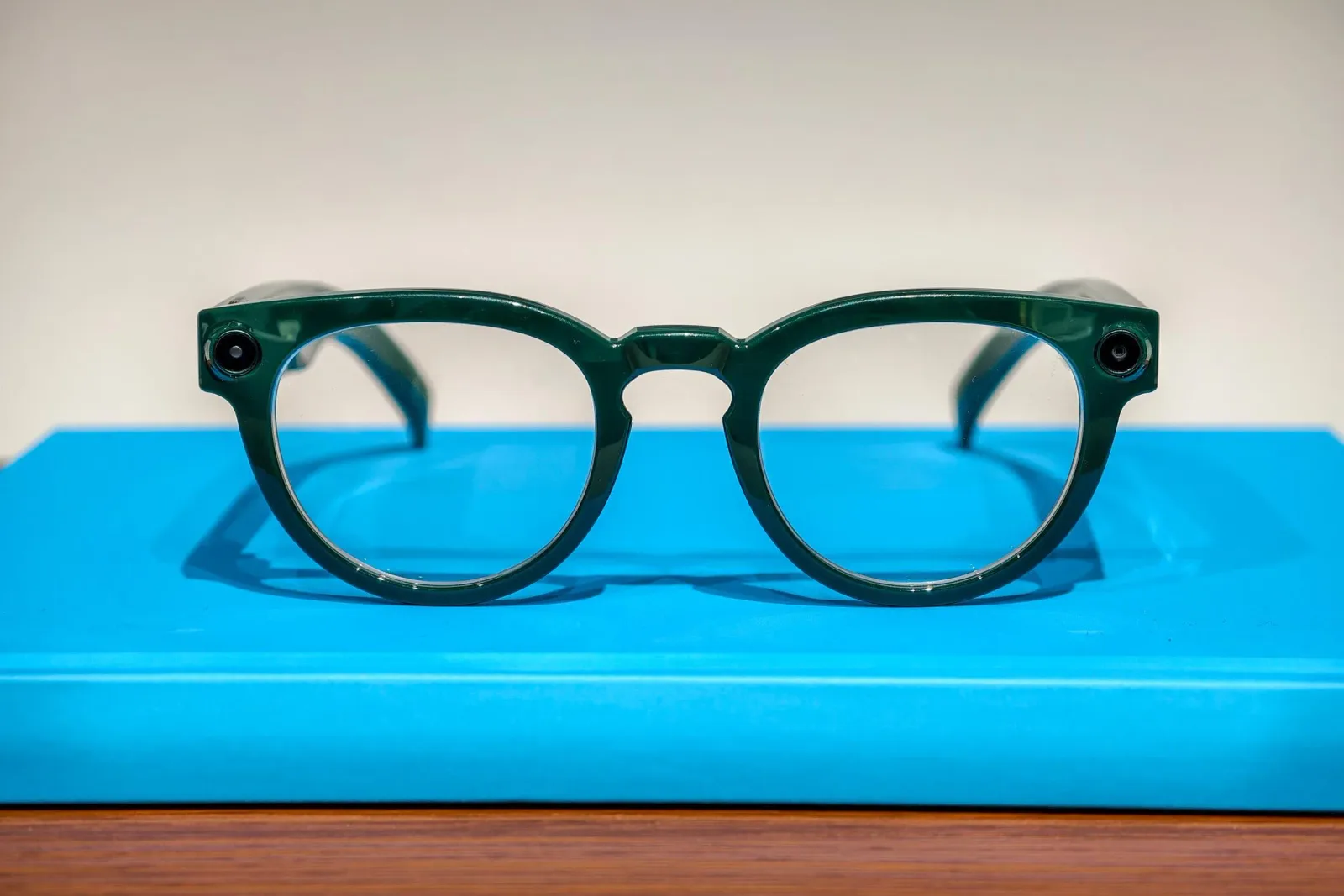
The race to define the future of wearable computing just got a significant boost. Samsung and Google have finally pulled back the curtain on their collaborative smart glasses, revealing two distinct new designs alongside their first concrete specifications. According to The Verge, these devices are not just conceptual prototypes but tangible products ready for the consumer market this fall. This development marks a pivotal moment for the intersection of eyewear fashion and artificial intelligence.
The hardware itself is impressive, particularly when you consider the power demands of on-device AI processing. The reported nine-hour battery life is a standout feature that addresses one of the most common complaints about early smart glasses. It suggests that the integration of Google’s AI capabilities and Samsung’s display technology is mature enough to support a full day of use without needing a midday charge. This is a crucial step toward mainstream adoption.
Design-wise, the collaboration with Gentle Monster and Warby Parker is paying off in terms of aesthetic diversity. The new frames include a boxy, squared-off black pair from Gentle Monster and a more rounded, red-brown option from Warby Parker. These choices signal a clear intent to move away from the clunky, tech-heavy look of previous generations. The goal here is to make the glasses look like regular eyewear first and technology second, which is essential for social acceptance.
However, the hardware improvements come with a heavy dose of reality regarding privacy. As noted in the reporting, every pair of these glasses features a camera, which reignites the same privacy concerns that have plagued Meta’s Ray-Ban smart glasses. The presence of recording capabilities means that users will face scrutiny in public spaces, regardless of how sleek the frames look. This is a hurdle that no amount of battery optimization can solve.
The competitive landscape is becoming increasingly crowded and contentious. Meta has already established a foothold in this space, and the entry of Samsung and Google raises the stakes significantly. These tech giants are not just competing on specs but on the ecosystem they can build around the glasses. The integration with Google’s AI models and Samsung’s broader device network could offer a more seamless experience than what Meta currently provides. Yet, the privacy implications remain a shared burden for all players in this arena.
From an industry perspective, this launch highlights the shift from novelty to utility. The focus is no longer just on showing off a new form factor but on delivering practical AI assistance throughout the day. The nine-hour battery life suggests that these devices are intended for continuous use, acting as an always-on interface for information and communication. This changes the dynamic from a casual accessory to a primary computing device for many users.
What this means for you is that the era of AI-powered eyewear is officially here, and it is coming with significant privacy trade-offs. If you are considering adopting this technology, you must weigh the convenience of hands-free AI assistance against the social and ethical implications of constant recording. To prepare, try using this prompt with your AI assistant to simulate the workflow: "Outline a daily routine where I use AI glasses for real-time translation and note-taking, and list three specific privacy risks I should mitigate in a professional setting."
Reporting basis: original story
← back to The Wire