the wire · #ai · 2026-07-22
Meta made its own AI detection system. It should have just used Google’s
Cech Tech Reviews
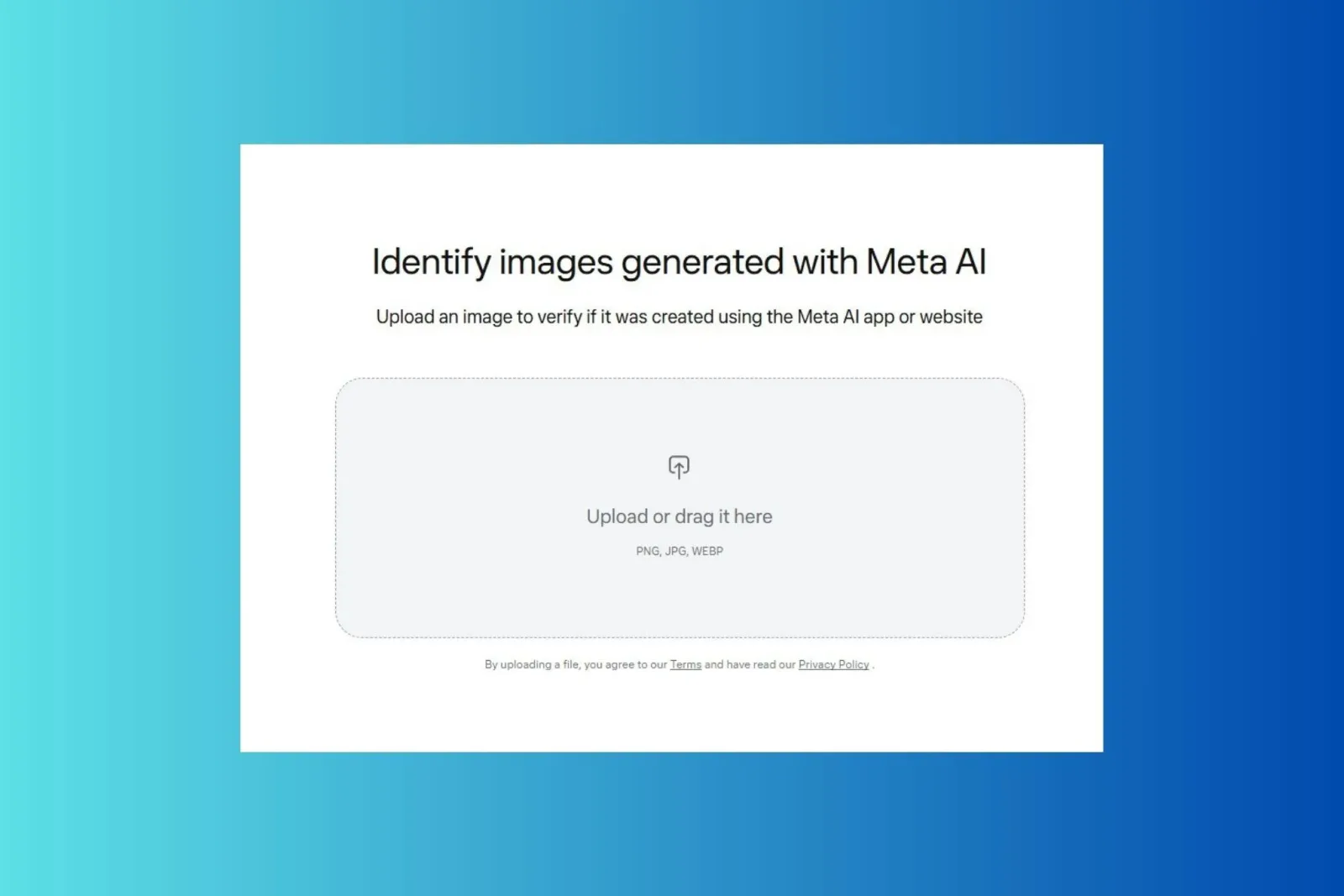
Meta's answer to AI-generated content labeling is called Content Seal, and it already looks like a missed opportunity. Announced as a quiet footnote in the company's July reveal of its Muse image and video generation tools, Content Seal uses invisible watermarking to flag AI-created images. The problem? It only works for content made by Meta's own models, and according to The Verge, it appears less robust than established alternatives already in wide use.
This comes five months after Meta's own Oversight Board publicly pressured the company to deploy its tools to combat AI misinformation across Facebook and Instagram. Instead of adopting open standards like C2PA Content Credentials, which major platforms and camera manufacturers already support, or licensing Google's SynthID watermarking tech, which works across multiple model types and has proven more resilient to tampering, Meta chose to build its own walled garden solution.
The timing matters. We're heading into election cycles globally, and AI-generated political content is flooding social platforms. A watermarking system that only catches images from one company's models is like a smoke detector that only works for fires started with Meta-brand matches. Most misleading AI content circulating on Facebook and Instagram comes from other tools entirely, like Midjourney, DALL-E, or open source models anyone can run locally.
Google's SynthID, by contrast, has been integrated into multiple products and can survive common image manipulations like cropping, compression, and color adjustments. It's also being offered to other developers through DeepMind's Watermark Anything toolkit. C2PA credentials, meanwhile, are becoming an industry standard, with support from Adobe, Microsoft, Sony, Nikon, and others. These are collaborative approaches designed to work across the ecosystem.
Meta's choice to go proprietary raises questions about whether this is really about stopping misinformation or about maintaining control. A universal standard would help users and platforms alike, but it would also mean Meta giving up some leverage in defining how AI content gets tracked across the web. The company has a history of building closed systems when open ones would serve users better, and Content Seal fits that pattern.
What this means for you: If you're creating AI content for professional use, don't rely on any single watermarking system. Assume anything you generate could be stripped of its metadata or watermark. Instead, be transparent by default and disclose AI use in your captions and documentation. Try this prompt when using AI image tools: "Generate [description], and also create a short caption I can use that clearly discloses this image was AI-generated in a professional, non-apologetic way." That way, transparency travels with your content no matter what happens to the technical markers.
Reporting basis: original story
← back to The Wire