the wire · #gadgets · 2026-10-02
HomePad launch nears, Apple Watch Readiness score, Ternus wants to make Apple more nimble
Cech Tech Reviews

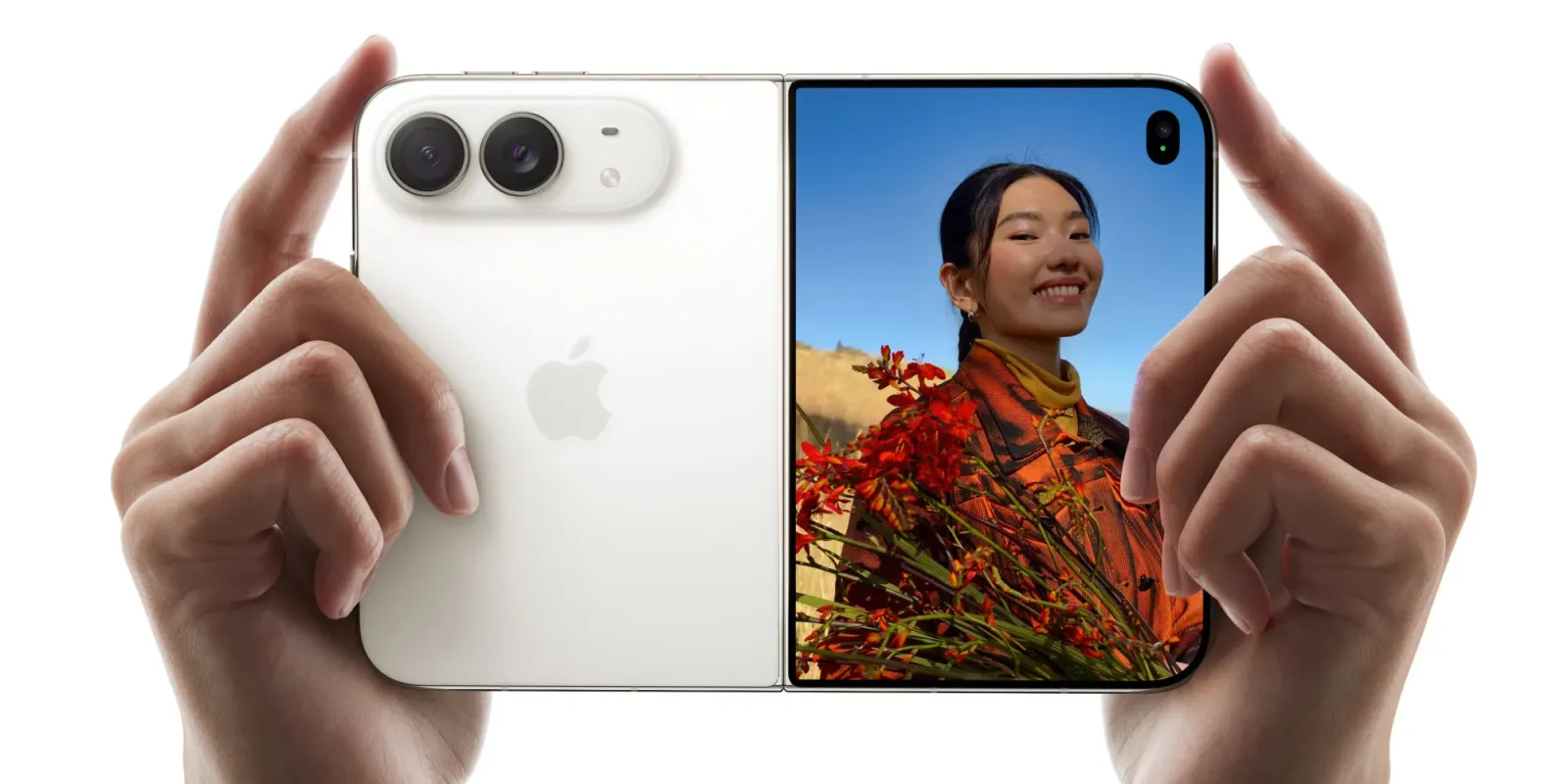
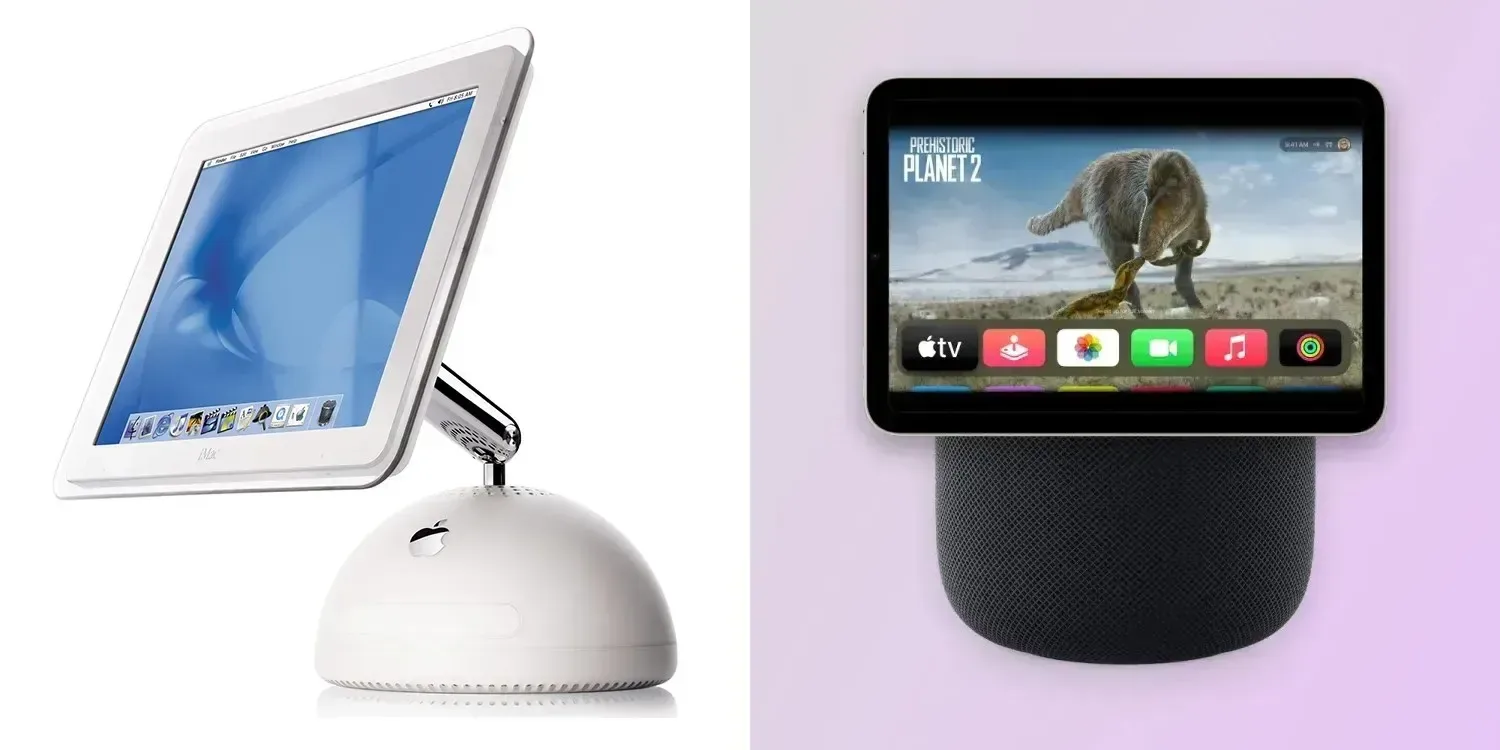
Apple is quietly preparing for a significant hardware refresh that could redefine how we interact with smart home devices and personal wearables. According to recent reports from 9to5mac, the company is nearing the launch of the HomePad, a dedicated smart display rumored to arrive on October 13. This move suggests Apple is finally taking the smart home market seriously with a device designed specifically for that purpose rather than repurposing existing tablets.
The form factor of the HomePad remains one of the most intriguing aspects of this announcement. Reports indicate a small square screen design that differs sharply from the rectangular landscape orientation of the iPad. This choice likely reflects a strategic decision to optimize the interface for vertical smart home controls. It creates a distinct visual identity that separates it from general-purpose computing devices while fitting neatly into home environments.
Alongside the HomePad, there are growing indications that the iPad mini and HomePod mini are due for long-overdue updates. Leaked photos suggest these updates are imminent, which aligns with the broader narrative of refreshing older product lines. For consumers who have been waiting for a more powerful mini device, this could be the signal to finally upgrade their setup.
Internally, Apple is undergoing a cultural shift aimed at increasing its operational speed. John Ternus, the senior vice president of hardware engineering, is reportedly pushing for a more nimble development process. This change is critical as the tech industry accelerates. Apple can no longer rely on its traditional multi-year cycles if it wants to compete with faster-moving rivals in the AI and smart device sectors.
On the software side, the new Apple Watch Readiness feature is generating buzz. This functionality likely aims to improve the health monitoring capabilities of the device. It represents a subtle but important step toward making wearables more proactive rather than reactive. Users will soon expect their devices to anticipate health needs rather than just recording data after the fact.
The discussion also touches on the Apple TV remote, with some arguing for the return of Touch ID. While this might seem like a minor detail, it highlights the ongoing tension between security and convenience in home entertainment. Integrating biometric authentication could streamline access to premium content and secure user profiles across different household members.
What this means for you: As Apple integrates more AI-driven features into its hardware, staying updated on these changes is crucial for professionals who rely on these tools for productivity. You can start preparing for the new HomePad by organizing your smart home automations. Try using an AI assistant to draft a list of your most frequent smart home routines. Ask it to suggest how these routines could be optimized for a vertical interface. This simple exercise will help you understand how spatial computing and dedicated displays might change your daily workflow.
Reporting basis: original story
← back to The Wire