the wire · #gadgets · 2026-10-01
HP’s MacBook Neo competitor is $699 with an OLED display and plenty of catches
Cech Tech Reviews
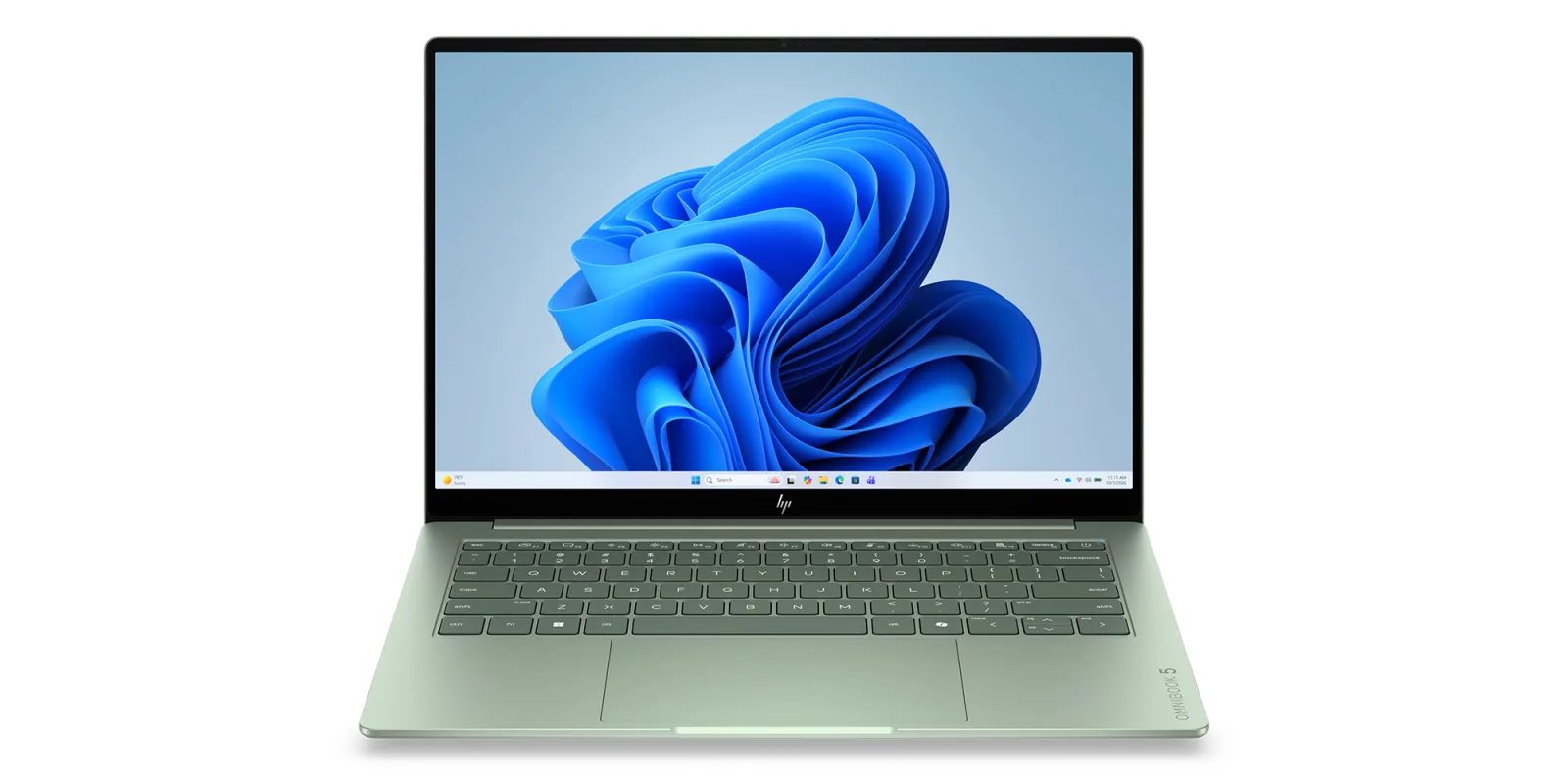
The PC industry is finally waking up to the threat Apple posed with the MacBook Neo. For months, Windows manufacturers seemed caught flat-footed by Apple’s aggressive entry into the sub-one-thousand-dollar segment. Now, HP is stepping into the ring with a new laptop that matches that $699 price point. This move signals a serious shift in how companies view the entry-level market.
According to recent reports, the standout feature here is undoubtedly the OLED display. For decades, budget laptops have been synonymous with dim, washed-out screens. HP is betting that visual fidelity is the one area where consumers will not compromise. It is a smart play because screen quality is the most immediately noticeable upgrade for everyday users.
However, the devil is in the details. The source material highlights that this device comes with plenty of strings attached. You are not getting a premium experience across the board. The company has made hard choices to hit that aggressive price tag, and those compromises are significant enough to give pause to the average buyer.
Performance is likely the first casualty of this pricing strategy. To keep costs down, HP has probably opted for lower-tier processors and limited RAM. This means the machine will struggle with heavy multitasking or creative work. It is designed for web browsing, document editing, and media consumption, not for power users who need raw computing muscle.
Build quality and battery life are other areas where the budget cuts likely show. We can expect a plastic chassis that feels less durable than metal alternatives. Battery efficiency might also suffer if the OLED panel is not paired with a highly optimized power management system. These factors combine to create a device that feels fast in the store but may lag in real-world daily use.
This launch forces Apple to reconsider its own pricing strategy. The MacBook Neo was supposed to be a disruptor, but HP is showing that Windows OEMs can match the price if they are willing to cut corners elsewhere. It creates a fascinating dynamic where the value proposition is no longer clear-cut. Consumers must now weigh screen quality against processing power and brand ecosystem.
What this means for you is that the budget laptop market is heating up. If you are a student or a casual user who values visual quality above all else, this HP model might be worth a closer look. However, if you need a machine that can handle multiple heavy applications, you should look elsewhere. Try this prompt to compare specs: "Compare the HP OLED laptop specs with the MacBook Neo, focusing on CPU performance, RAM, and battery life, and list three scenarios where the HP would be a better choice and three where it would fail."
The broader implication is that AI integration in hardware will become a key differentiator soon. As chips get cheaper, the focus will shift to how well the device handles local AI tasks. HP needs to ensure this budget model can run basic AI assistants smoothly. Otherwise, it risks becoming obsolete before it even hits the shelves. The race is on to see who can deliver the best balance of price and capability.
Reporting basis: original story
← back to The Wire