the wire · #topnews · 2026-07-07
How AI could enable autonomous robot workers in workplaces, and maybe homes
Cech Tech Reviews
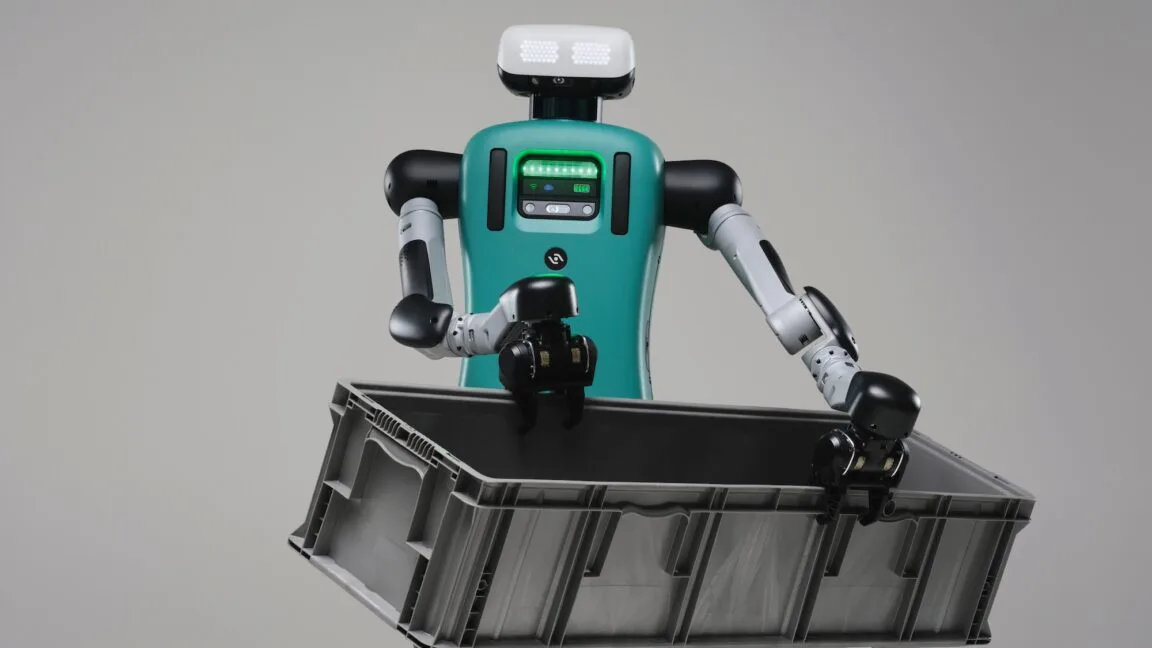
The vision of a future where self-driving robot taxis navigate complex city streets and delivery drones drop off packages at your doorstep is no longer science fiction. It is becoming a tangible reality that is reshaping our expectations for what machines can achieve. This progress sets the stage for the next logical step in automation. We are moving toward a world where general-purpose robots assist humans in both workplaces and homes.
However, this ambitious future hinges on a critical technological breakthrough. It requires the development of increasingly autonomous robots powered by modern artificial intelligence. This challenge has motivated many researchers to transition from academic labs to startup founders. It has also attracted billions of dollars in investment from venture capitalists eager to capitalize on the next wave of automation.
Matt Malchano, vice president of software at Boston Dynamics, provides a stark contrast between past and present capabilities. He recalls leading a project team fifteen years ago with a very narrow goal. The objective was simply to get a robot to navigate from point A to point B without human intervention.
Today, the definition of autonomy has expanded dramatically. Malchano notes that we now think of autonomy as a huge space of tasks. We imagine robots performing a wide variety of activities on their own. This shift represents a fundamental change in how we design and deploy robotic systems.
The implications for the workforce are profound. We are not just talking about replacing human labor with machines. We are talking about augmenting human capabilities with versatile digital and physical workers. This could lead to significant efficiency gains in logistics, manufacturing, and even domestic chores.
For entrepreneurs and tech professionals, this signals a pivotal moment. The barrier to entry for creating useful robotic applications is lowering. AI models are becoming more capable of understanding context and executing complex sequences. This allows developers to focus on high-level tasks rather than low-level control code.
What this means for you is that you should start exploring how AI can manage physical workflows. Consider using an AI assistant to draft a standard operating procedure for a repetitive task in your office. Then, ask the AI to break it down into step-by-step instructions that could theoretically be automated. This exercise helps you identify which parts of your work are ripe for future robotic integration.
Reporting basis: original story
← back to The Wire