the wire · #topnews · 2026-07-04
Scientists Have Identified a New Fossil Species of Axolotl in Mexico
Cech Tech Reviews
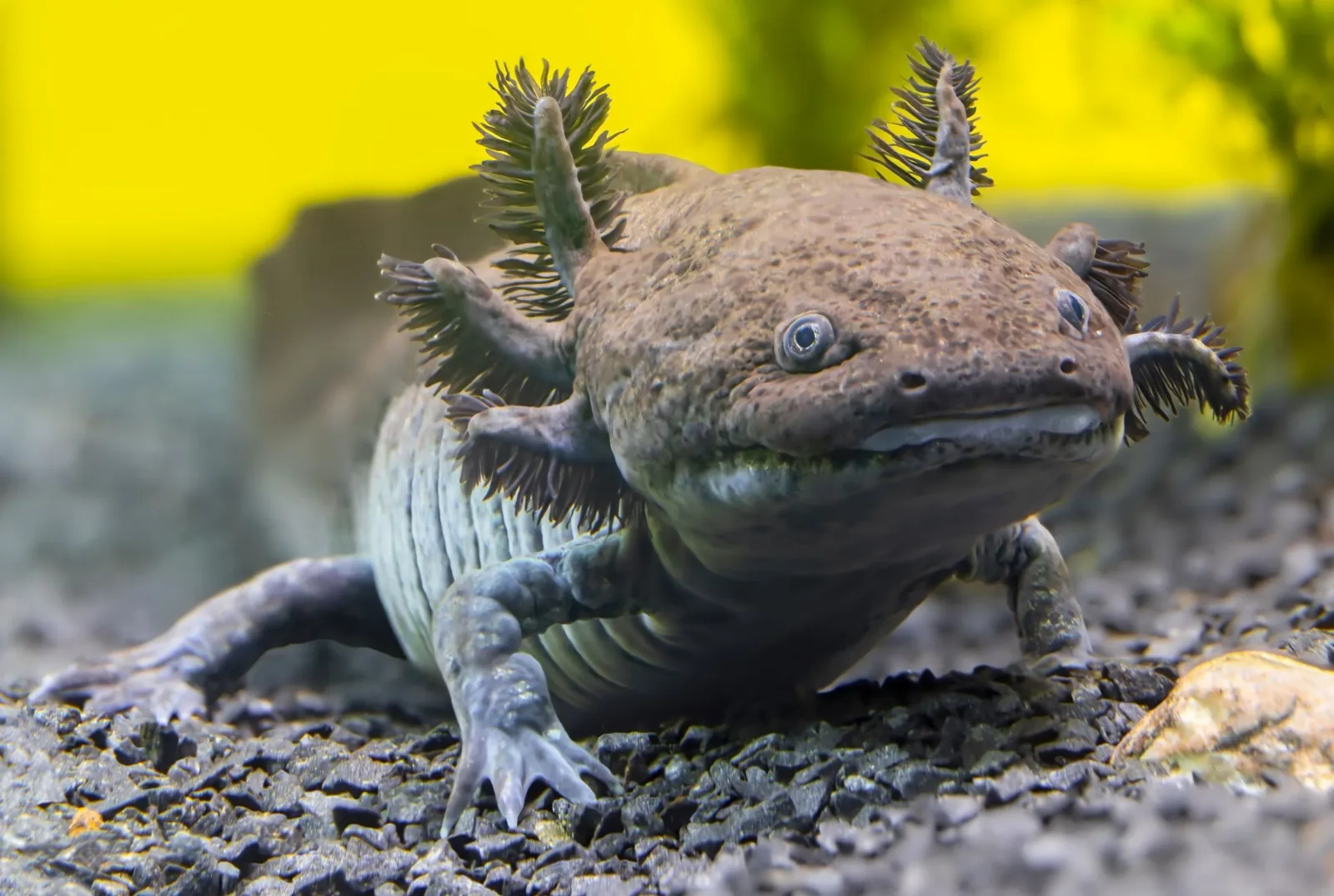
A significant breakthrough in paleontology has just landed in our laps, and it involves one of the most iconic creatures in the animal kingdom. According to recent reports, scientists have formally identified a new fossil species of axolotl in Mexico. This is not just another dinosaur find. It is the first fossil salamander to be officially recognized in the country, and it carries massive implications for how we view biodiversity in the region.
The newly named species is Ambystoma quetzalcoatli. The name itself is a nod to the feathered serpent deity from Mesoamerican mythology, which feels incredibly appropriate given the creature's deep historical roots. This discovery confirms that axolotls have inhabited Mexico for millions of years, far longer than we previously thought. It transforms them from a modern curiosity into a living relic of ancient ecosystems.
This finding is particularly striking because it challenges our current understanding of axolotl distribution. We typically associate these amphibians with the lake complex of Xochimilco in Mexico City. However, this fossil evidence suggests a much broader and older historical range. It implies that their current endangered status is not just a recent crisis but part of a long-term evolutionary narrative that has been disrupted by human activity.
The identification of Ambystoma quetzalcoatli provides a crucial baseline for conservationists. When we study endangered species, we often lack historical context. We do not know what a healthy, natural population looked like centuries ago. This fossil record fills that gap. It gives researchers a tangible reference point for what these animals looked like and where they thrived before modern environmental pressures took hold.
From an AI and data science perspective, this discovery opens up fascinating new avenues for research. Machine learning models are increasingly being used to analyze fossil records and predict species distribution based on historical climate data. We can now train these models with more accurate historical data points. This could lead to better predictions about how climate change will affect remaining wild populations in the future.
The broader implication here is about the value of deep time in conservation. We often focus on immediate threats like pollution or habitat loss. While those are critical, understanding the evolutionary history of a species helps us prioritize conservation efforts more effectively. It reminds us that these animals are not just biological oddities. They are vital links in a chain that stretches back millions of years.
What this means for you is that the intersection of paleontology and modern technology is becoming more relevant than ever. If you are working with data or conservation tools, consider how historical datasets can improve your models. You can try using an AI assistant to analyze historical climate data alongside current species distribution maps. Ask it to identify potential historical habitats for endangered species based on fossil records and environmental variables. This approach can reveal hidden patterns that pure modern data might miss.
Reporting basis: original story
← back to The Wire