the wire · #gadgets · 2026-09-12
Indie App Spotlight: ‘Farwave’ lets you listen to radio stations around the world
Cech Tech Reviews
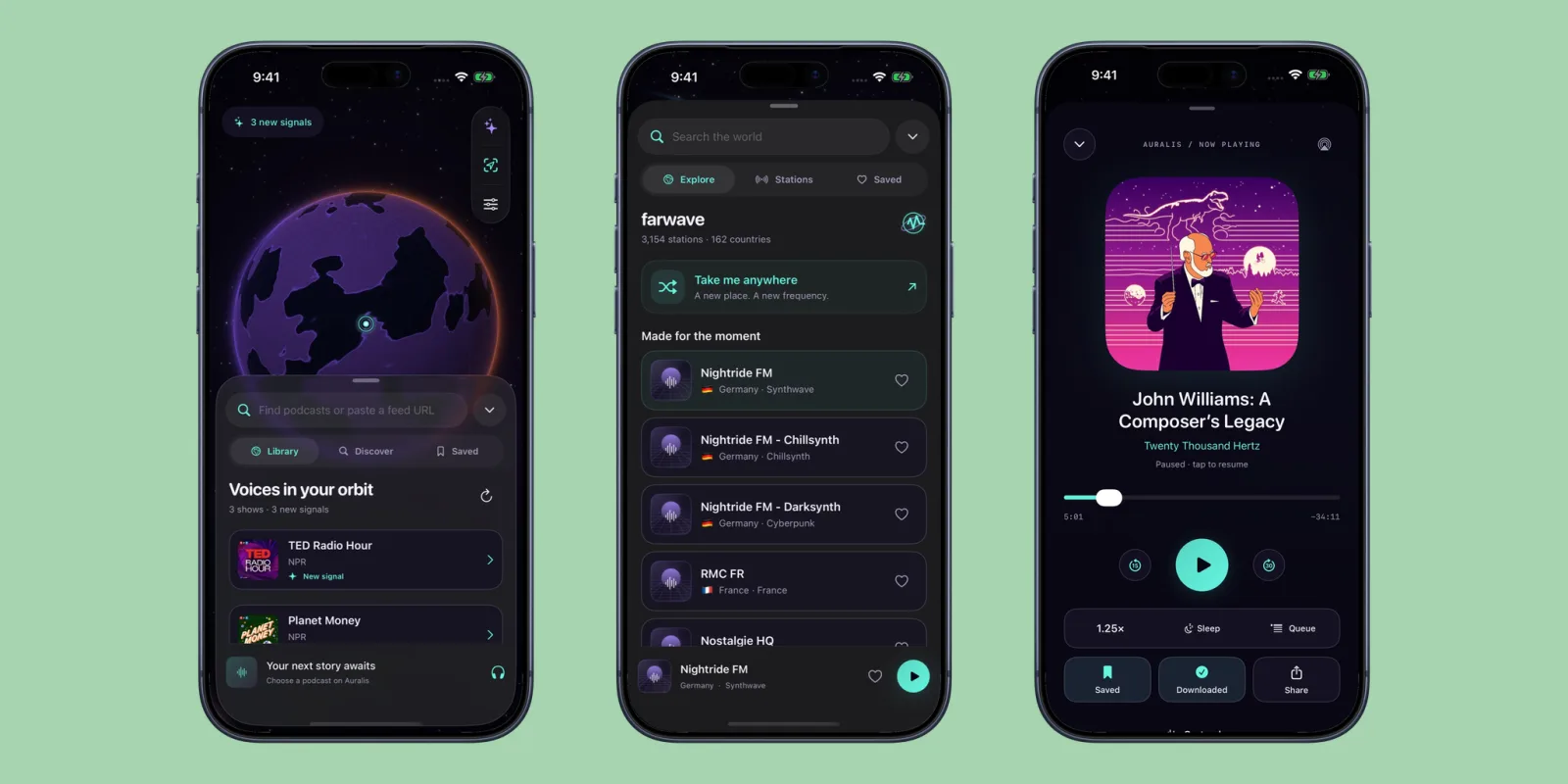
The way we discover audio content has largely been dictated by algorithmic feeds and curated playlists. Apps like Spotify and Apple Podcasts excel at predicting what you might like next based on your history. However, this approach often creates echo chambers that limit exposure to truly diverse or unexpected sources. A new indie app called Farwave is challenging this norm by returning to the roots of radio: location. According to 9to5Mac, the app places audio stations on a global map, allowing users to explore soundscapes by geography rather than genre tags.
Farwave takes a distinctly different approach to the crowded audio player market. Instead of presenting a list of recommended tracks, it visualizes the world as a three-dimensional globe. Users can spin the planet and tap into local radio stations from almost anywhere on Earth. This visual interface transforms the act of listening into an act of exploration. It is a stark contrast to the flat, list-based interfaces that dominate the current app ecosystem.
The implications for AI and content discovery are subtle but significant. Most AI-driven recommendations rely on metadata and user behavior patterns. Farwave suggests that spatial context can be a powerful, underutilized signal for discovery. By grounding audio in physical location, the app introduces a layer of serendipity that algorithms often struggle to replicate. It reminds us that context is not just about what you like, but where you are or where you want to be.
Beyond live radio, the app extends this geographic model to podcasts and music. Each category features its own distinct visual style, making navigation intuitive and engaging. This separation allows users to switch between real-time broadcasts and on-demand content without losing the sense of place. It is a thoughtful design choice that respects the different consumption habits associated with live radio versus recorded media.
For AI enthusiasts, this highlights a growing tension between personalization and exploration. While AI excels at narrowing down options, it often fails at broadening horizons. Farwave offers a manual, human-centric alternative to algorithmic curation. It proves that there is still room for apps that prioritize curiosity over efficiency. This is particularly relevant as we see more AI tools trying to automate every aspect of our digital lives.
The rise of such indie apps also signals a shift in user expectations. People are increasingly fatigued by opaque recommendation engines. They want more control and transparency in how they consume media. Farwave provides that control by letting users choose their destination. It is a refreshing return to user agency in an era of passive consumption. This trend could influence larger platforms to incorporate more spatial or contextual discovery features.
What this means for you is that you do not need to rely solely on AI to find new content. You can use tools like Farwave to break out of your current listening habits. Try using an AI assistant to generate a list of interesting cities or countries you have never visited. Then, use Farwave to listen to the local radio from those places. This simple workflow combines AI planning with human exploration, creating a richer and more diverse media diet. It is a practical way to stay curious in a world designed to keep you comfortable.
Reporting basis: original story
← back to The Wire


![This unique retro dock adds a flip-up display, Thunderbolt 5, & 8TB storage to your Mac [Video]](https://aideaflow.com/api/img/news/09ee6cfaa15f316e.webp)