
the wire · #gadgets · 2026-09-12
Apple researchers unveil SimpleDesign, a new AI model for protein design
Cech Tech Reviews
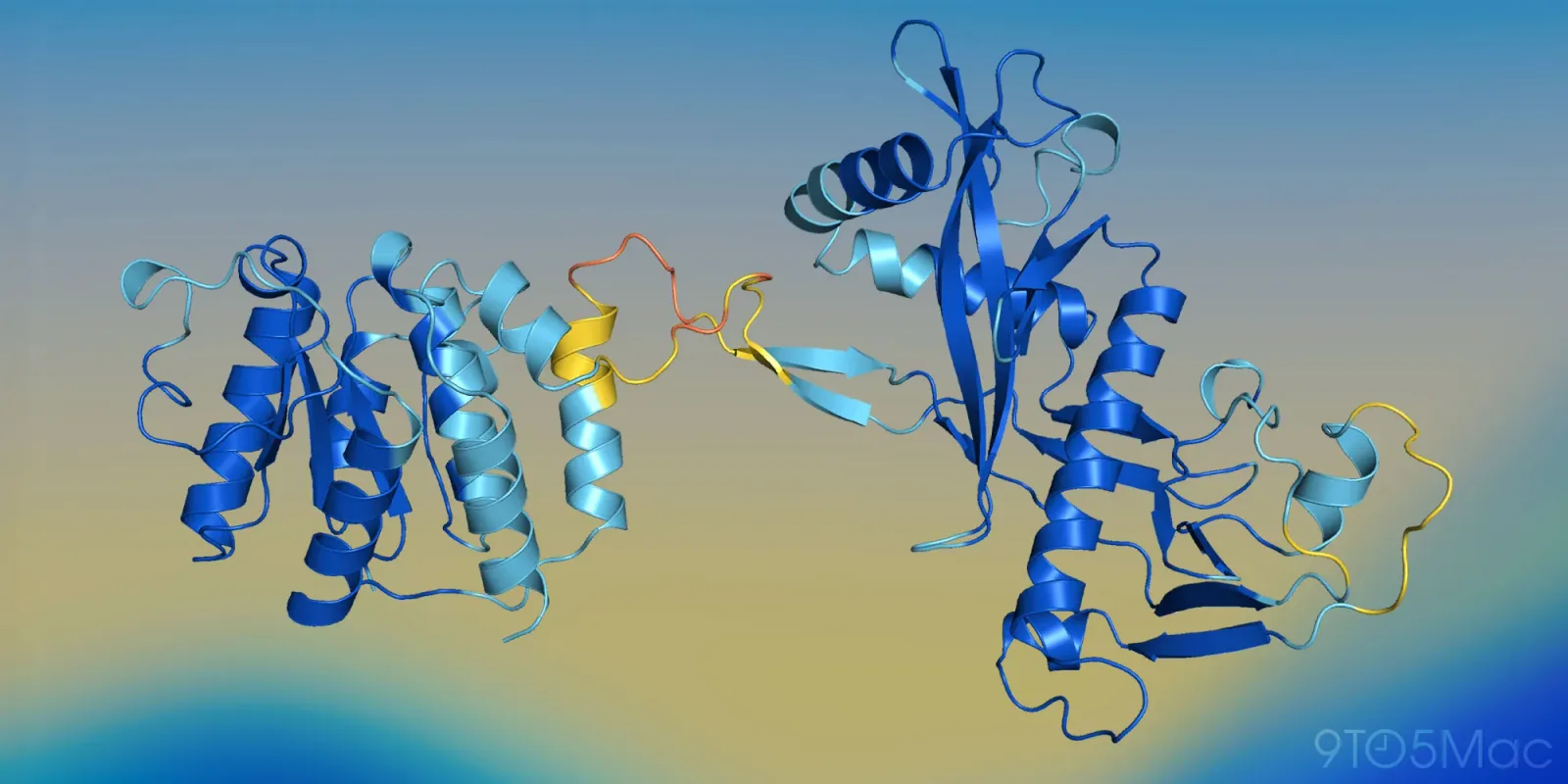
Apple has quietly entered the high-stakes arena of computational biology with the release of SimpleDesign. According to recent reports, this new AI model represents a significant shift in how we approach protein engineering. It is not just another incremental update to existing tools but a fundamental rethinking of the design process.
The core innovation lies in its ability to jointly generate protein sequences and structures. Traditional methods often treat these as separate challenges, requiring iterative refinement that can be computationally expensive and slow. SimpleDesign bypasses much of this friction by handling both aspects in a unified framework.
This approach mirrors the efficiency gains we have seen in generative AI for text and images. By removing the bottleneck of sequential processing, Apple is aiming to make protein design more accessible and faster. It suggests that the same principles driving large language models are now being applied to the building blocks of life.
The implications for the biotech industry are profound. Drug discovery relies heavily on understanding how proteins fold and interact. A tool that can rapidly propose viable structures could drastically reduce the time from initial concept to viable candidate. This could lower costs and accelerate the development of new therapies for complex diseases.
Apple’s entry into this space signals a broader trend of tech giants leveraging their AI infrastructure for scientific breakthroughs. While they are known for consumer hardware, their research divisions are increasingly focused on foundational scientific problems. This move positions them as a serious player in the next wave of biological innovation.
For professionals in AI and biotech, this highlights the converging nature of these fields. The ability to manipulate biological data with the same ease as digital data is becoming a reality. It opens up new possibilities for custom enzyme design, material science, and personalized medicine.
What this means for you: If you are working in research or development, keep an eye on how these tools democratize access to protein design. You can start experimenting by using AI assistants to analyze existing protein structures and hypothesize modifications. Try this prompt: "Analyze the structural stability of protein X and suggest three amino acid substitutions that might enhance its thermal resistance, explaining the biochemical reasoning for each change."
Reporting basis: original story
← back to The Wire






![This unique retro dock adds a flip-up display, Thunderbolt 5, & 8TB storage to your Mac [Video]](https://aideaflow.com/api/img/news/09ee6cfaa15f316e.webp)