the wire · #ai · 2026-08-21
Inertia Enterprises finds a way to make its fusion fuel fast
Cech Tech Reviews
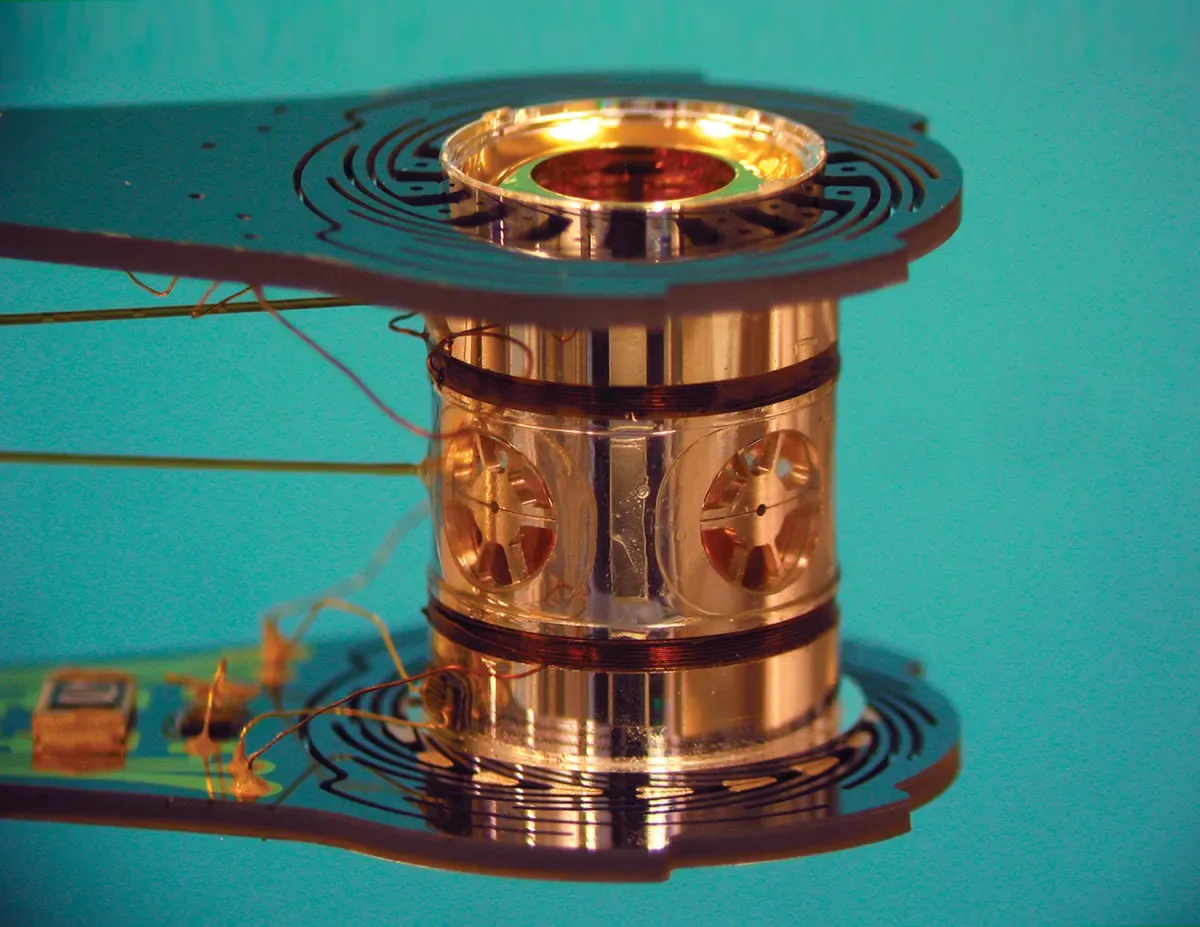
The race to commercialize nuclear fusion has long been defined by its staggering complexity. It is not just about achieving ignition but also about building a plant that can operate continuously without becoming a financial black hole. Inertia Enterprises has just taken a significant step forward by dramatically reducing the time required to load fusion fuel. According to recent reports, the company has cut the filling process from a week down to just a few hours. This might sound like a minor logistical tweak, but in the world of high-energy physics, time is the enemy of profitability.
Fusion reactors are notoriously difficult to fuel. Traditional methods often involve complex cryogenic processes or intricate mechanical handling that can take days to complete safely. By compressing this timeline to mere hours, Inertia Enterprises is addressing one of the ten critical hurdles they must clear to build a profitable power plant. The other nine challenges likely involve plasma stability, heat extraction, and materials science, but without efficient fueling, the reactor cannot even begin its daily cycle. This acceleration is a prerequisite for the high duty cycles that grid operators demand.
From an AI and automation perspective, this achievement is particularly interesting. It suggests that Inertia is likely leveraging advanced robotics and real-time data processing to manage the fueling process. Manual or semi-automated systems would struggle to achieve such speed without compromising safety. This implies a deeper integration of AI-driven control systems that can predict and adjust for variables in real time. For tech entrepreneurs, this highlights how software and automation are becoming just as critical as the hardware in next-generation energy solutions.
The broader implication here is about the economics of clean energy. Fusion has always promised limitless power, but it has struggled to prove it can be cost-effective. If a plant spends a week loading fuel for every few days of operation, the levelized cost of energy skyrockets. By reducing this downtime, Inertia is moving closer to the operational efficiency required to compete with natural gas or renewables. This is not just a technical win; it is a financial one that could change investor sentiment toward fusion startups.
However, we must remain grounded in reality. This is only one of ten hurdles. The leap from a faster fueling process to a grid-ready power plant is massive. Issues like neutron damage to reactor walls, tritium breeding, and continuous plasma confinement remain unsolved for many in the industry. Inertia Enterprises still has a long road ahead. But solving the fueling bottleneck removes a significant barrier to entry, allowing the company to focus resources on the more elusive physics problems.
For professionals in the energy and tech sectors, this news serves as a reminder that incremental engineering wins are often the difference between hype and reality. The ability to scale operations is just as important as the initial scientific breakthrough. As fusion moves from experimental labs to industrial applications, the focus will shift from pure physics to operational efficiency. Companies that can optimize these workflows will lead the market.
What this means for you: If you are working in energy tech or industrial automation, pay attention to how AI is being used to optimize physical processes. The future of heavy industry lies in reducing downtime through intelligent systems. You can try this workflow with an AI assistant: Ask it to analyze a standard industrial maintenance schedule and suggest how machine learning could predict component failures to reduce unplanned downtime. This mirrors the efficiency gains Inertia is achieving with fuel loading.
Reporting basis: original story
← back to The Wire