the wire · #ai · 2026-08-20
Meet the startup helping Wall Street put a price on AI compute
Cech Tech Reviews
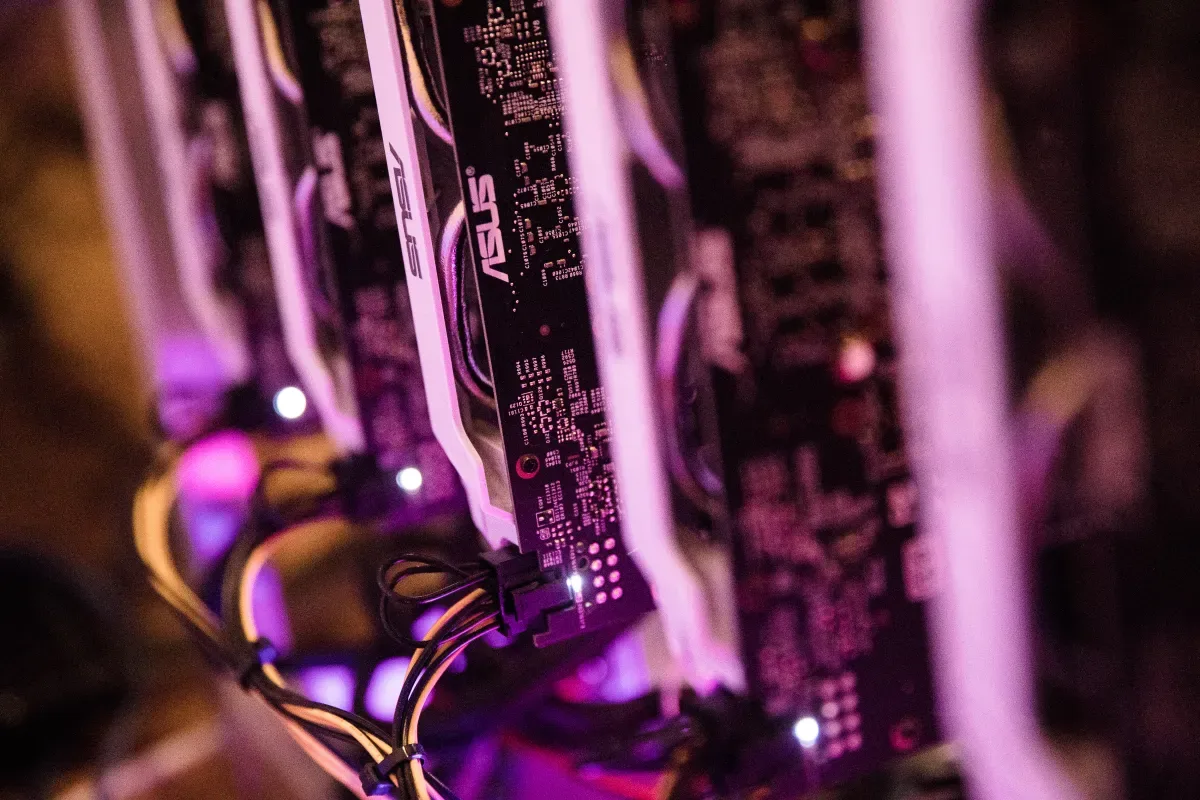
The relentless expansion of artificial intelligence infrastructure has created a paradox. We are seeing hundreds of billions of dollars flow into data centers and graphics processing units every year. Yet despite this massive capital injection, there is no straightforward mechanism to price the actual compute power driving these models. According to recent reporting, this gap has prompted a new startup to enter the fray with a bold solution. They aim to bring financial rigor to a sector that currently operates on guesswork and spot pricing.
Silicon Data is the name of the venture attempting to solve this problem. Their goal is to help Wall Street put a definitive price on AI compute. This is not just about tracking usage. It is about creating a standardized asset class that can be traded, hedged, and valued with precision. For now, companies building AI products face the single biggest cost in their operations without any way to protect themselves from volatility. The current system leaves them exposed to sudden shifts in hardware availability and pricing.
The implications of this move are significant for the broader tech ecosystem. Compute has effectively become the new oil of the digital age. Just as energy markets developed futures contracts to manage risk, the AI industry is now crying out for similar financial instruments. Without these tools, businesses must absorb the full brunt of supply chain disruptions or demand spikes. This lack of hedging capability stifles long-term planning and increases financial uncertainty for everyone from startups to tech giants.
This development signals a maturation of the AI industry. We are moving past the initial hype cycle where growth was measured solely in parameters and model capabilities. Now the focus is shifting to operational efficiency and financial sustainability. Investors and executives are realizing that building models is only half the battle. Managing the underlying infrastructure costs is where the real competitive advantage lies. A liquid market for compute could unlock new levels of efficiency and investment.
For entrepreneurs and professionals in the AI space, this trend highlights the importance of infrastructure strategy. You can no longer treat compute as a simple utility bill. It is a dynamic asset that requires active management. Understanding how these financial instruments might work will be crucial for budgeting and risk assessment. Companies that can hedge their compute costs will have a distinct advantage over those that cannot.
What this means for you is that the way you budget for AI tools is about to change. As these markets develop, expect more complex pricing models and new ways to secure compute resources. To stay ahead, you should start evaluating your current AI workflows for efficiency. Here is a prompt you can use with your AI assistant to audit your current usage patterns and identify areas for optimization. Ask your AI to analyze your recent project logs and suggest three specific workflow changes that could reduce compute time by at least twenty percent while maintaining output quality.
Reporting basis: original story
← back to The Wire