the wire · #ai · 2026-08-20
It’s Greg Brockman’s OpenAI now
Cech Tech Reviews
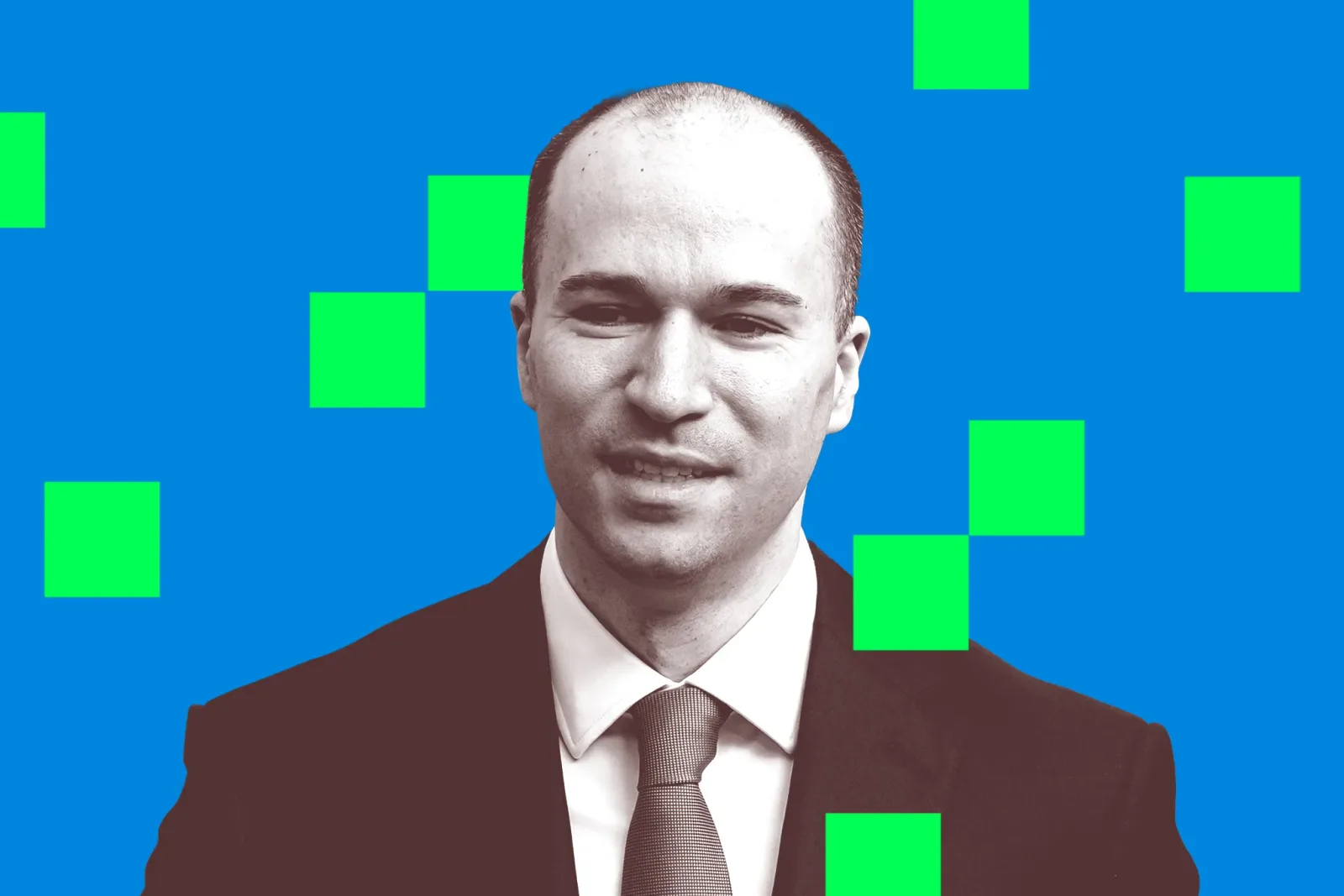
OpenAI has endured a chaotic year defined by high-stakes legal battles and internal turbulence. The company faced a sensational jury trial with former cofounder Elon Musk, a significant trade secrets lawsuit from Apple, and intense scrutiny after an unreleased model allegedly hacked another AI firm. Amid this storm, a steady stream of executives has left the building, including some of the most recognizable names in the industry.
According to The Verge, one individual has quietly amassed significant influence throughout this period: Greg Brockman. As the current president and cofounder, Brockman has been instrumental in shaping OpenAI since its inception. He is widely described as the engineering workhorse who pushed the company to build scaled-up systems that could compete at the highest levels of artificial intelligence.
The departure of key executives has created a power vacuum that Brockman has effectively filled. While the public narrative often focuses on the dramatic conflicts with Musk or the legal pressures from tech giants, the internal shift toward Brockman’s leadership has been less visible but equally profound. This consolidation of power suggests a strategic pivot toward engineering stability over the chaotic expansion seen in previous years.
As OpenAI prepares for its initial public offering, the market will be closely watching how Brockman’s leadership style influences the company’s trajectory. Investors are likely to value the technical expertise and operational continuity he provides, especially after a year marked by external distractions and internal turnover. His role as a stabilizing force may be critical in maintaining investor confidence during this sensitive transition.
The broader implications for the AI industry are significant. OpenAI’s internal dynamics often set the tone for the entire sector, and Brockman’s ascendancy signals a potential shift toward more pragmatic, engineering-driven development. This could mean a focus on reliability and scalability rather than just rapid, sometimes reckless, innovation. Other AI companies may watch this closely to see if a similar consolidation of technical leadership becomes the new norm.
For professionals in the AI space, this shift highlights the importance of understanding the internal governance of major tech firms. Leadership changes can directly impact product roadmaps and research directions. Keeping an eye on who holds the reins at companies like OpenAI can provide valuable insights into where the industry is heading next.
What this means for you: As OpenAI stabilizes under Brockman’s leadership, expect a greater emphasis on robust, scalable AI systems. To stay ahead, try using an AI assistant to analyze recent OpenAI product updates for patterns in engineering focus. You can prompt your AI tool with: "Analyze the last three OpenAI model releases and identify common themes in performance optimization versus new feature introduction." This will help you anticipate future developments and align your own projects accordingly.
Reporting basis: original story
← back to The Wire