the wire · #ai · 2026-08-18
Robin Williams’ Instagram account brought back to fight ‘AI abuse’
Cech Tech Reviews
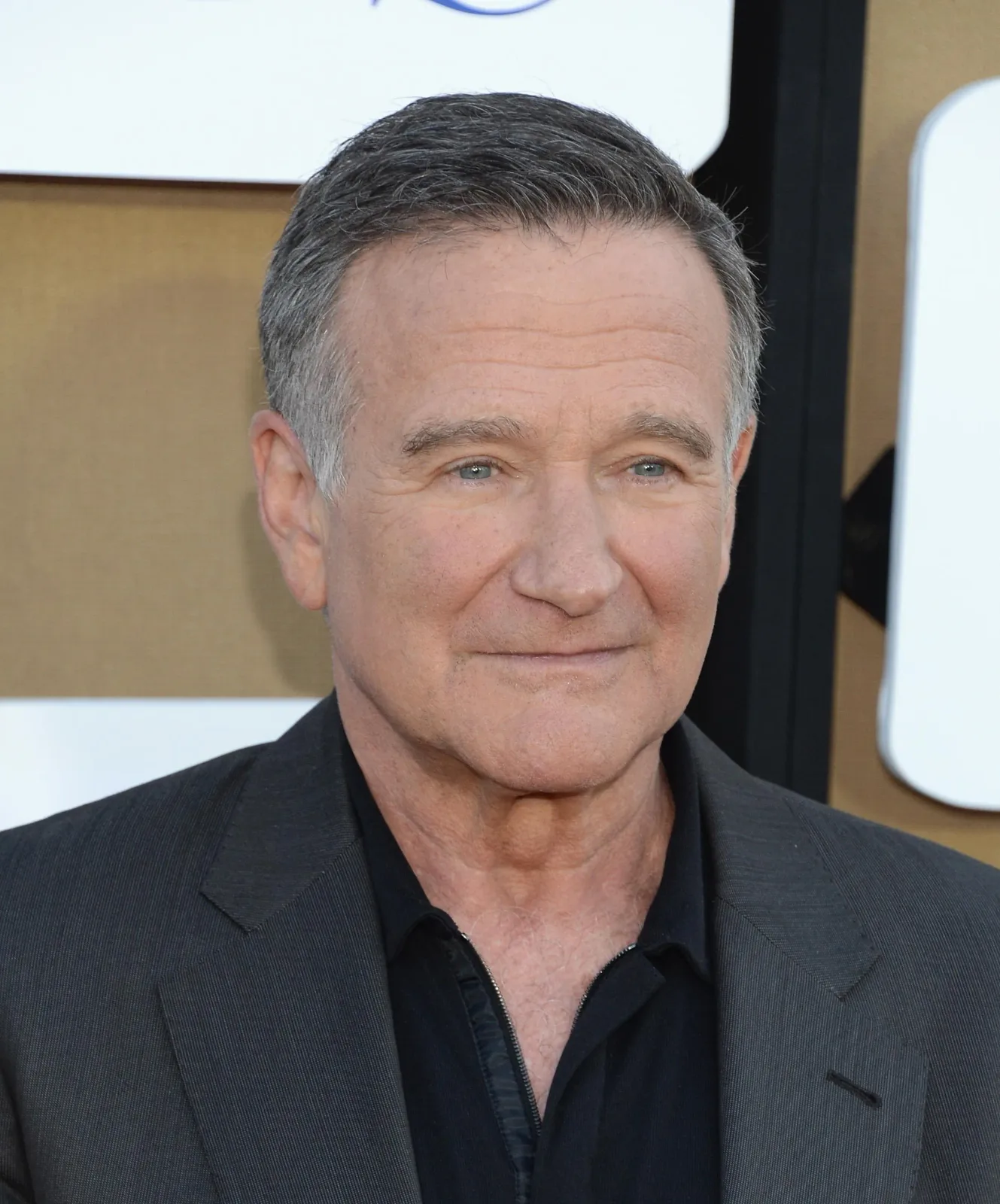
The digital afterlife of celebrities is becoming a battleground, and the Williams family is stepping into the fray with a powerful statement. According to The Wrap, the children of the late Robin Williams have officially taken over his Instagram account. This is not a nostalgic rebranding but a strategic defense against the rampant misuse of his digital likeness by artificial intelligence tools.
Zak, Zelda, and Cody Williams issued a joint statement on Tuesday outlining their vision for the profile. They describe it as a safe and trusted space dedicated to authenticity. Their goal is to ensure that all shared stories, photos, and videos reflect their father's legacy with the warmth and care he was known for. This direct intervention signals a shift from passive observation to active management of digital assets.
Zelda Williams provided further context in a separate post on her own Instagram account. She explicitly linked this decision to the fight against AI abuse. The family is clearly reacting to the unauthorized generation of content that mimics Robin Williams' voice and appearance. This move serves as both a tribute and a warning to those profiting from his image without consent.
This incident reflects a broader industry challenge regarding post-mortem rights and digital identity. As generative AI becomes more accessible, the ability to clone voices and faces has outpaced legal frameworks. Estates are now forced to become tech-savvy curators to protect their loved ones from exploitation. The Williams family is setting a precedent for how other high-profile estates might handle similar threats.
The timing of this revival is significant. It coincides with increasing public scrutiny over deepfakes and unauthorized AI content. By reclaiming the platform, the Williams family is asserting control over the narrative. They are demonstrating that digital presence can be managed with intention rather than left to algorithmic chaos or malicious actors.
For professionals in the creative and tech sectors, this serves as a critical case study. It highlights the urgent need for robust verification systems and ethical guidelines in AI development. Companies building likeness models must consider the consent of estates and individuals. Ignoring these ethical boundaries invites legal and reputational risks that can damage brand trust.
What this means for you: If you work with AI tools that generate images or audio, you must prioritize consent and verification. Use AI to enhance human creativity, not to replace or mimic individuals without permission. Try this workflow: When creating content, always document the source of your training data or reference materials. Add a clear disclaimer if you are using transformative techniques. This builds trust with your audience and protects your professional integrity in an era of digital uncertainty.
Reporting basis: original story
← back to The Wire