the wire · #topnews · 2026-10-24
Inside the Supermassive Debate Over the James Webb Telescope’s ‘Little Red Dots’
Cech Tech Reviews
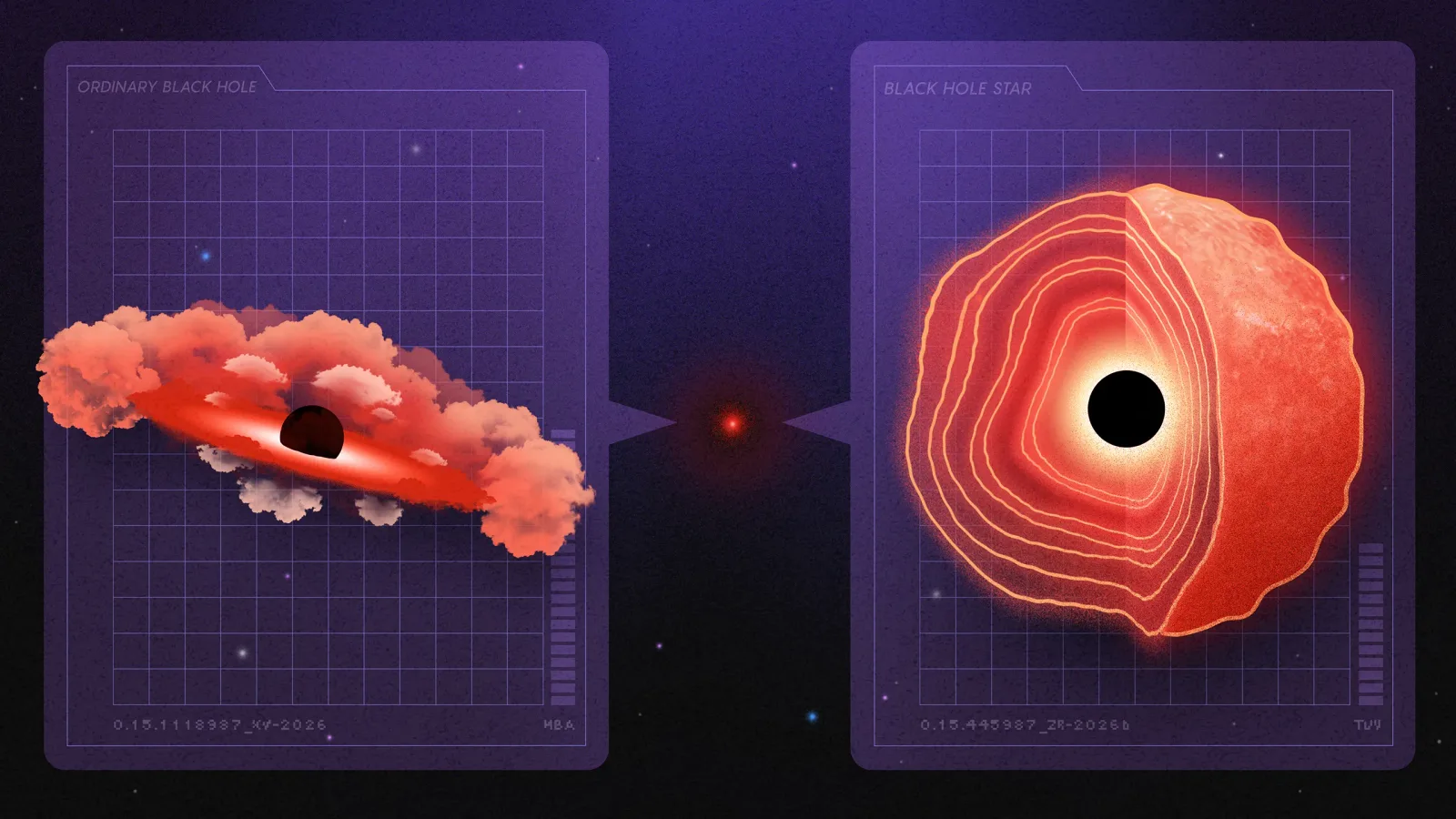
The James Webb Space Telescope has delivered more than just stunning images of the cosmos. It has also handed astronomers a perplexing puzzle that is currently dividing the scientific community. According to recent reports, the telescope detects tiny red dots scattered across the early universe at a rate that defies current models. These objects are not just faint smudges but distinct points of light that are rewriting our understanding of cosmic history.
Astronomers are struggling to agree on the nature of these little red dots. Some researchers argue they are evidence of massive stars that formed much earlier than previously thought. Others suggest they might be black holes surrounded by accretion disks that are actively feeding. The disagreement stems from the sheer volume of data Webb is returning, which outpaces our ability to interpret it using traditional methods.
This situation mirrors the data challenges faced by tech companies today. Just as AI models need massive datasets to learn, astronomers are realizing that human analysis alone is insufficient for Webb's output. The scale of observation requires computational power and pattern recognition that only advanced algorithms can provide. We are seeing a parallel between astronomical discovery and machine learning scalability.
The implications for AI in science are profound. If we cannot automate the initial screening of these celestial objects, we will miss critical insights into the formation of the first galaxies. AI tools can help categorize these red dots by brightness, color, and position far faster than any human team. This efficiency allows scientists to focus on the most anomalous cases that truly break existing theories.
Entrepreneurs and tech professionals should note the growing intersection of big data and scientific discovery. The tools built to handle unstructured data in business are directly applicable to solving problems in physics and astronomy. The infrastructure for processing petabytes of telescope data is similar to that used for global financial transactions or social media feeds.
As the debate over these red dots continues, the role of AI will only expand. We are moving toward a future where human intuition guides the question, but machine intelligence provides the answer. This shift is not just about speed but about uncovering patterns that are invisible to the naked eye. The next breakthrough in cosmology may well come from an algorithm rather than a telescope lens.
What this means for you is that the ability to work with large, complex datasets is becoming a core competency. Whether you are in tech, science, or business, understanding how to leverage AI for pattern recognition is crucial. Try using an AI assistant to summarize recent papers on Webb telescope data. Ask it to identify the key arguments for and against the black hole theory. This exercise will help you practice synthesizing conflicting expert opinions, a skill that is increasingly valuable in a data-driven world.
Reporting basis: original story
← back to The Wire