the wire · #topnews · 2026-10-22
Meta shocked by $25B fine after N.M. refused to join multistate settlement
Cech Tech Reviews
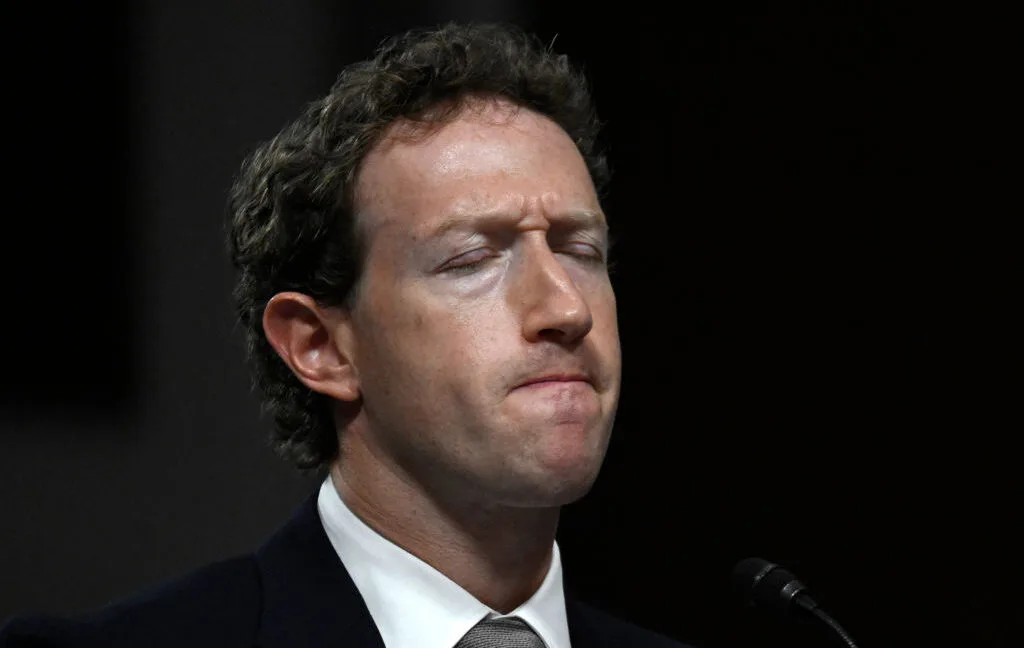
Meta is facing a historic $25 billion penalty after a jury found the tech giant guilty of nearly 44 million violations of New Mexico consumer protection laws. This massive fine comes after New Mexico Attorney General Raúl Torrez declined to join an $18 billion settlement that Meta reached with attorneys general in nearly all other states. The decision by New Mexico to stand apart from the multistate agreement has resulted in a significantly harsher financial outcome for the company.
According to reporting on the case, US District Court Judge Francis J. Mathew issued a ruling that underscores the severity of Meta's long-standing issues. He noted that there is no bright line rule for determining the appropriate penalty for Meta's repeated and willful deception of users. This legal phrasing suggests that the court views Meta's actions not as isolated incidents but as a systemic pattern of behavior that has persisted for over a decade.
The violations span a wide range of concerns including control of user data, third-party data misuse, misinformation, and hate speech. The court also highlighted issues regarding the equal enforcement of these policies across different user groups. This breadth of violations indicates that the legal challenge was not just about data privacy but also about how Meta manages content and community standards at scale.
From an AI perspective, this ruling carries significant implications for how artificial intelligence systems are regulated. Meta relies heavily on automated systems for content moderation, data processing, and user engagement. When these systems fail to adhere to legal standards or produce harmful outputs, the company faces liability. The sheer number of violations suggests that automated systems may be operating without sufficient human oversight or legal guardrails.
The rejection of the multistate settlement by New Mexico signals a shift in how state governments approach tech regulation. Rather than accepting a blanket settlement, some states are now pursuing individual cases to set stricter precedents. This fragmentation in legal strategy could lead to a more complex regulatory environment for tech companies operating across multiple jurisdictions. It also empowers state attorneys general to act as independent regulators rather than just participants in federal-style settlements.
For AI developers and tech entrepreneurs, this case serves as a stark reminder that automation does not absolve companies of legal responsibility. As AI tools become more integrated into business operations, companies must ensure their systems are compliant with evolving consumer protection laws. The scale of the fine reflects the potential cost of ignoring these regulatory requirements in the age of algorithmic decision-making.
What this means for you is that compliance must be built into your AI workflows from the start. If you are using AI for content moderation or data analysis, you need robust audit trails and human oversight mechanisms. Try implementing a prompt workflow where you ask your AI assistant to review its own outputs for potential legal or ethical violations before they are deployed. This simple step can help you identify risks early and protect your business from similar liabilities.
Reporting basis: original story
← back to The Wire