the wire · #ai · 2026-08-18
Whisker’s AI-powered litter robot thinks my cats swapped bodies
Cech Tech Reviews
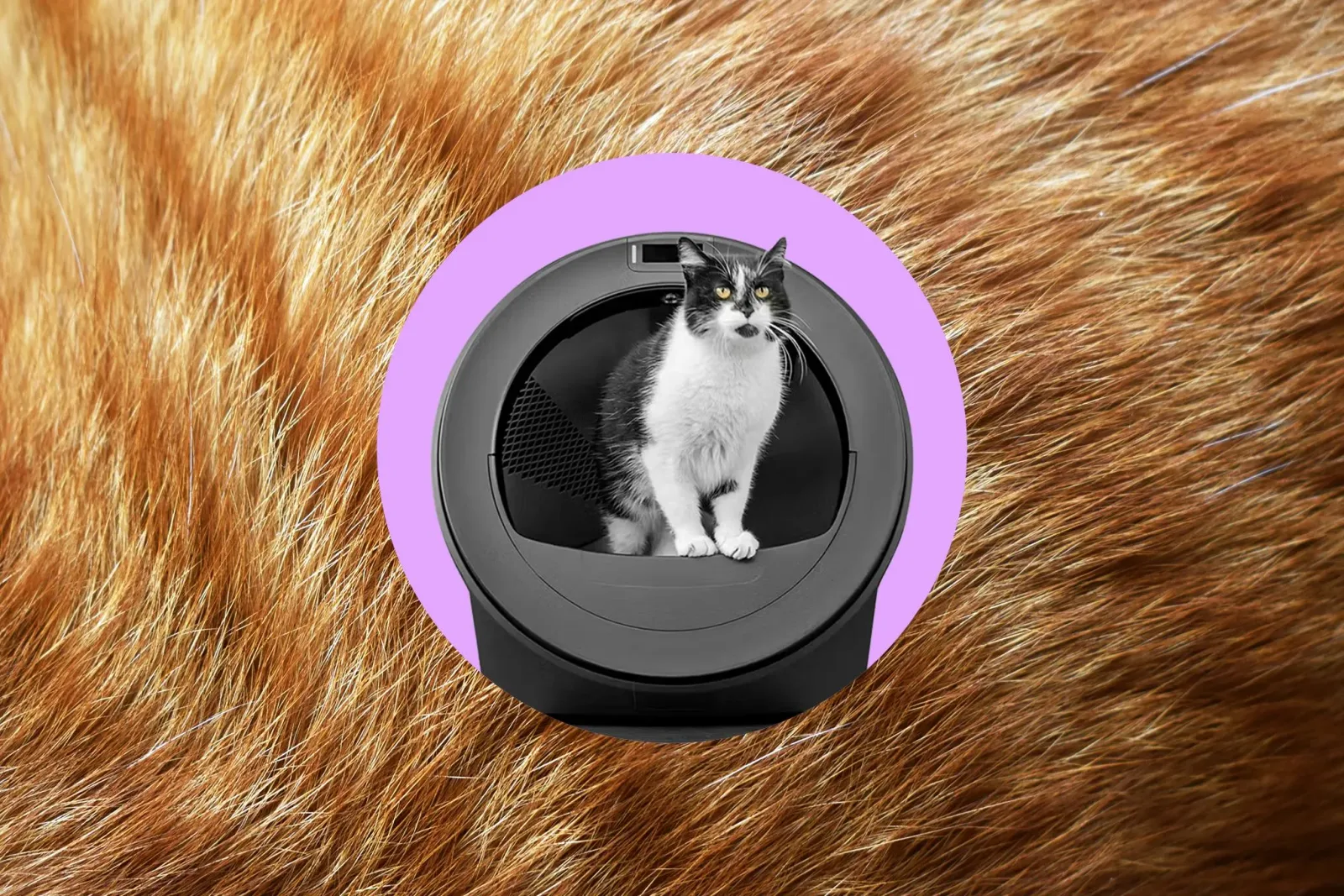
The promise of smart pet tech has always been a seductive one. We want machines that not only handle the gross chores but also provide peace of mind regarding our animals' health. Whisker is pushing this boundary further with the Litter-Robot 5 Pro. According to reporting by The Verge, this new device represents the company's most ambitious attempt to merge hardware with sophisticated software. It is not just a scooper anymore. It is a data hub for your feline friend.
The core innovation here is the dual camera system paired with an array of sensors. The goal is to use AI algorithms and machine learning to identify exactly which cat used the box. This allows the device to track usage patterns for each individual animal. For owners of multiple cats, this is a game changer. It means you can spot health issues in one pet without the data being skewed by the other. The system even claims to sniff out deposits, adding another layer of sensor data to the mix.
However, the reality of deploying this technology in a home environment is proving to be more complex than the marketing suggests. The reviewer found that the AI frequently confused the two cats, effectively thinking they had swapped bodies. This is a classic example of the gap between controlled testing and messy real life. Cats are not standardized objects. They move, hide, and change positions in ways that algorithms do not always predict.
This failure mode is significant for the broader AI industry. It shows that even with advanced computer vision, identity verification in unstructured environments remains a hard problem. The AI might be great at recognizing a cat in a photo. It struggles when the lighting changes or when the animal is partially obscured. This is not a unique failure. We see similar issues in security systems and retail analytics. The Litter-Robot is just the latest victim of overconfidence in current AI capabilities.
For pet owners, this means the health insights are not yet fully reliable. If the system cannot consistently identify who is using the box, the data it provides is flawed. You might think your diabetic cat is eating more, when it is actually the healthy one. This creates a false sense of security or unnecessary panic. The technology is promising, but it is not ready to replace veterinary observation. It is a tool, not a doctor.
The lesson here is that AI in consumer hardware needs to be more humble. Companies should not market these features as perfect solutions. They should be framed as experimental tools that require human verification. The integration of hardware and AI is exciting, but the user experience must account for the unpredictability of living with animals. We need better error handling and clearer communication about the limits of the tech.
What this means for you: If you are considering buying smart pet tech, treat the data with skepticism. Use it as a general trend indicator, not a precise medical record. You can also test your own AI vision models with pet photos to see how they handle identity confusion. Try this prompt to analyze your own images: "Identify the specific breed and pose of each cat in this image, noting any occlusions or lighting issues that might confuse a standard AI model." This helps you understand the limitations of the technology you are using.
Reporting basis: original story
← back to The Wire