the wire · #ai · 2026-10-02
It's not AI anymore, it's ‘super intelligence’ (according to the White House)
Cech Tech Reviews
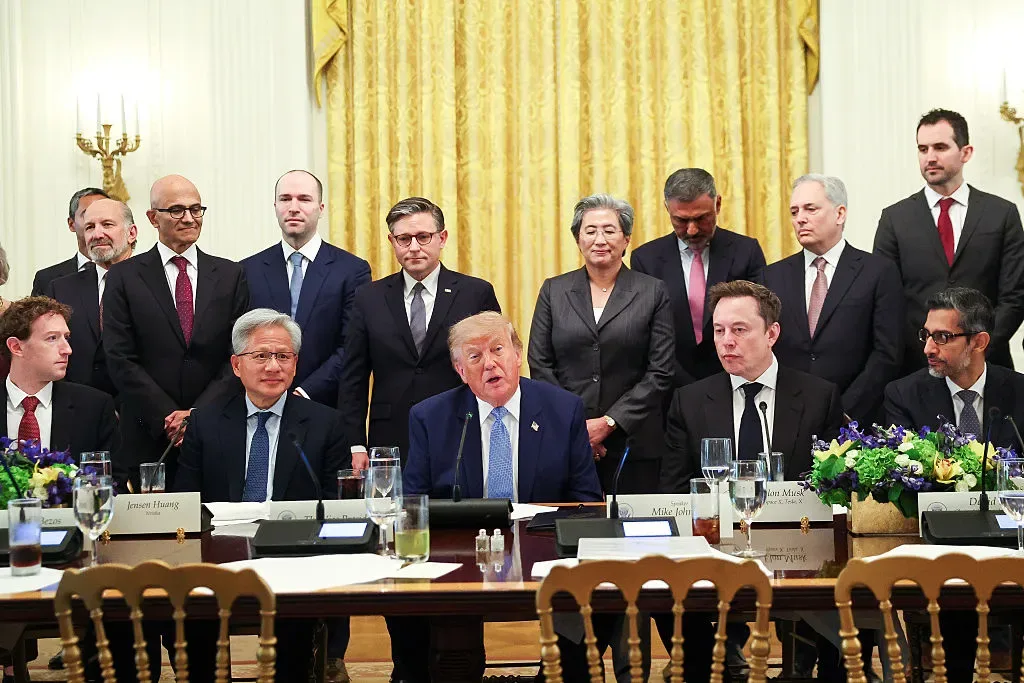
The landscape of artificial intelligence just shifted under our feet. According to recent reporting, the White House has officially rebranded the technology as super intelligence. This is not just a semantic tweak. It is a strategic move to elevate AI from a software category to a critical national infrastructure.
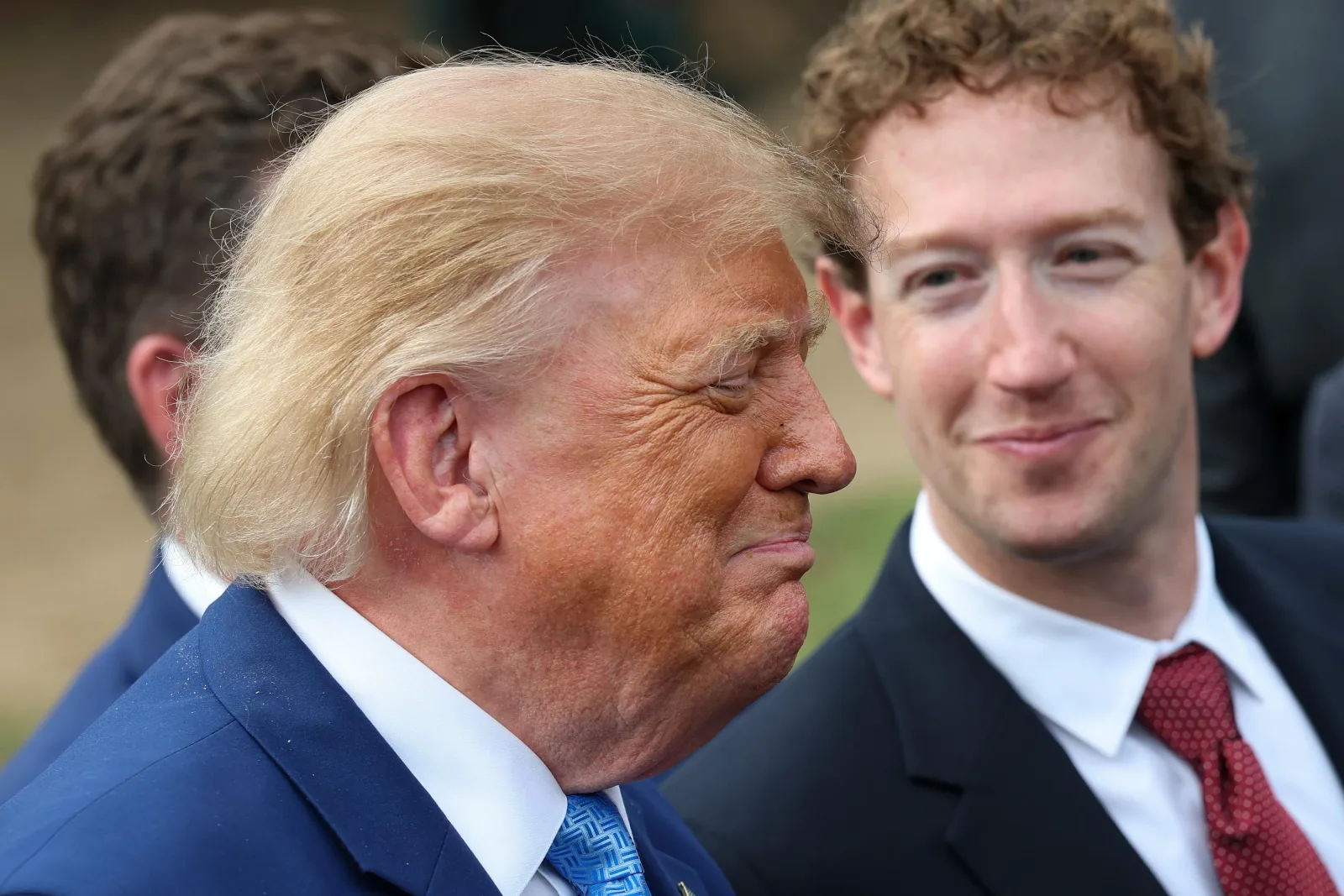
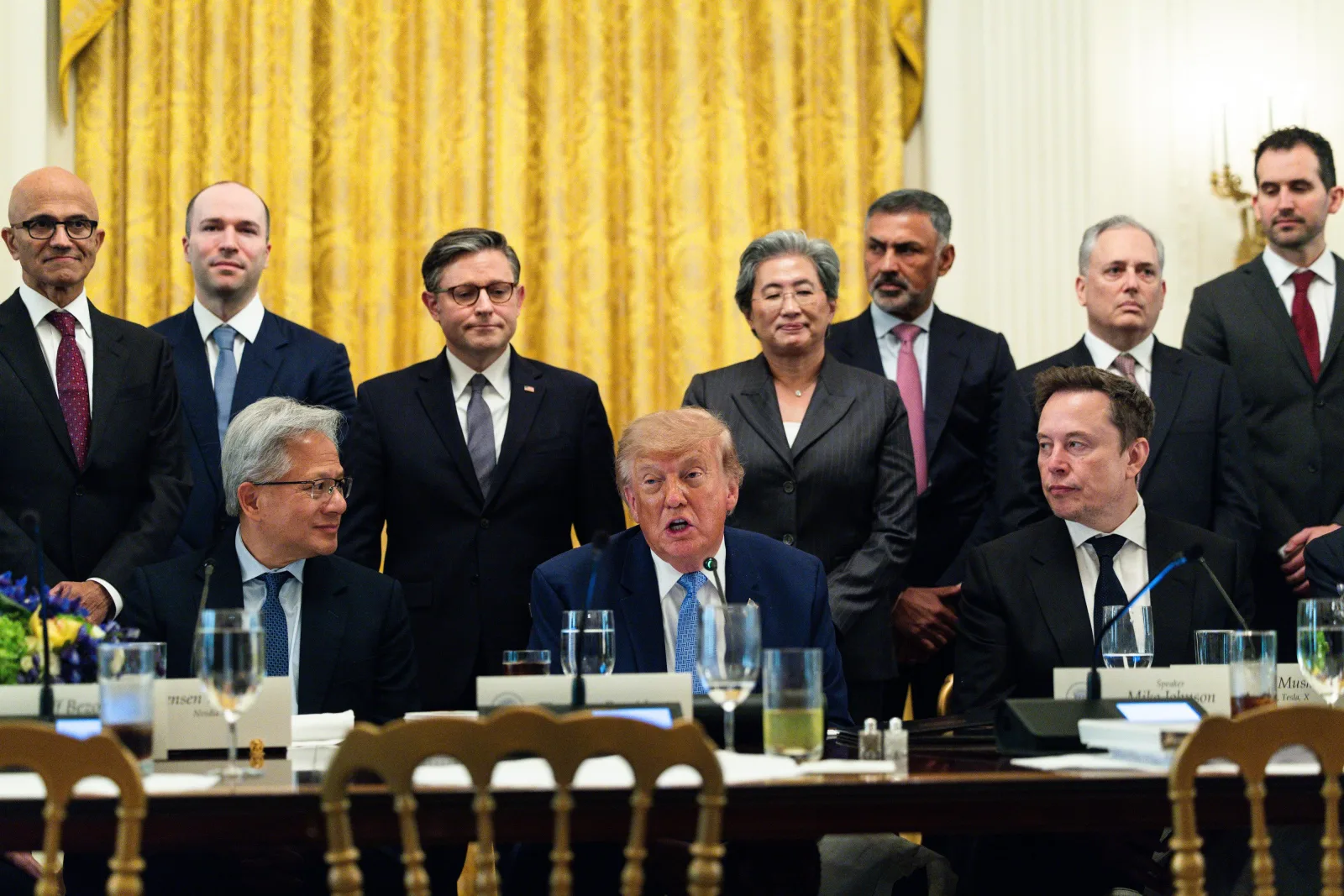
President Donald Trump signed an executive order to formalize this new terminology. He also gathered nearly every major tech CEO in one room for a safety pledge. Leaders like Mark Zuckerberg, Jeff Bezos, and Elon Musk were present. The administration called this agreement morally binding, which adds significant political weight to the commitments.
Anthropic’s Dario Amodei was among the signatories. His presence is particularly notable given his company’s focus on safety and alignment. The gathering suggests that the biggest players in the industry are finally aligning their public messaging with government expectations. They are putting friendlier faces on their products while the stakes rise.
This rebranding carries heavy implications for how we build and regulate these systems. Calling it super intelligence implies capabilities that exceed human cognition in specific domains. It forces regulators and developers to treat these tools with the same caution as nuclear energy or aviation. The era of casual experimentation is likely over.
For entrepreneurs and professionals, this means the rules of engagement are changing rapidly. You can no longer treat AI as a simple productivity hack. It is now a regulated utility with moral and legal responsibilities. Companies that ignore this shift risk falling behind in compliance and trust.
The moral binding nature of the pledge is a double-edged sword. It creates a unified front for the industry but may also stifle innovation if interpreted too strictly. We will likely see more standardized safety protocols emerge in the coming months. Early adopters who integrate these standards now will have a competitive advantage.
What this means for you is that you must adapt your workflow to prioritize safety and transparency. Do not just use AI for speed. Use it for accuracy and ethical alignment. Start by auditing your current AI prompts for potential bias or hallucination risks.
Try this workflow: Ask your AI assistant to critique its own output. Paste a draft response and add the prompt: Identify three potential factual errors or biases in this text and suggest corrections. This simple step aligns your work with the new super intelligence standards.
Reporting basis: original story
← back to The Wire