the wire · #ai · 2026-10-02
Breaking up (with Elon Musk) is hard to do
Cech Tech Reviews
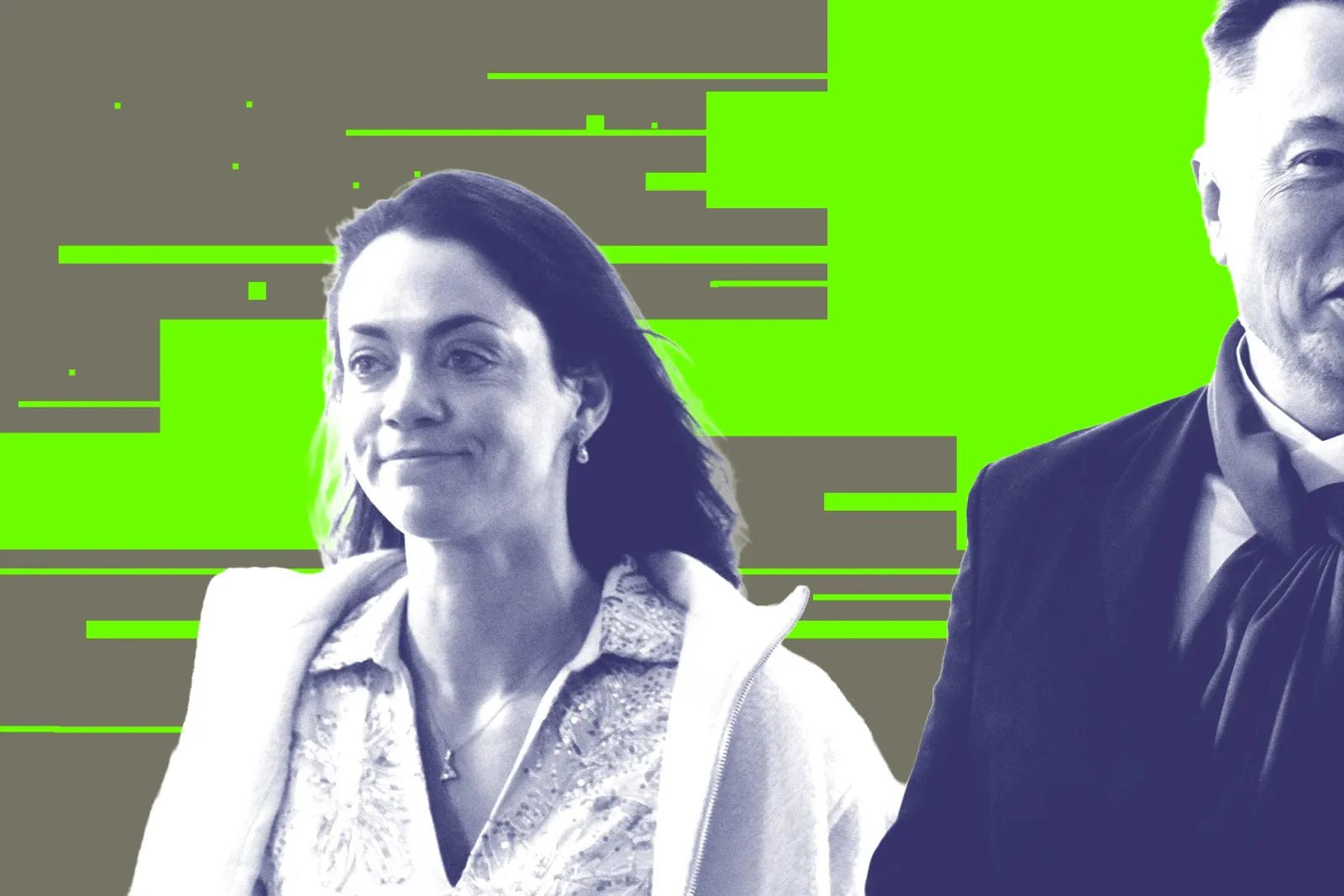
The internet has a way of turning personal milestones into public spectacles, and the recent split between Shivon Zilis and Elon Musk is no exception. According to The Verge, Zilis announced the end of their relationship by quote-tweeting a post from an account that tracks social media connections. This move mirrors the dramatic, often chaotic style of early social media platforms like MySpace, where relationship status changes were public declarations rather than private matters.
The catalyst for this announcement was a notification that Musk had unfollowed Zilis on X. While unfollowing is a common digital action, doing so in the context of a high-profile relationship involving four children adds a layer of complexity. Zilis noted that the transition from being in love to letting go happened within a week and without warning. This sudden shift suggests a rupture that was not gradual, leaving observers to wonder about the underlying dynamics.
It is worth noting that the post triggering the announcement was sponsored by Kalshi, a prediction market platform. The juxtaposition of a personal breakup with a commercial advertisement adds a surreal quality to the event. It underscores how even intimate human experiences are now filtered through the lens of digital marketing and platform algorithms. The cursed nature of this interaction, as described by observers, reflects the strange intersection of private life and public commerce.
From an AI and tech perspective, this event highlights the role of social media as a primary news wire for personal updates. Accounts like Big Tech Alert serve as informal monitors of celebrity and tech leader behaviors. These tools amplify minor digital actions into major news stories. The speed at which information spreads on X means that personal decisions can have immediate reputational impacts for all parties involved.
The broader implication for tech professionals is the blurring line between personal and professional digital footprints. In an era where AI tools can monitor and analyze social connections, the privacy of personal relationships is increasingly compromised. Tech leaders and their associates must navigate a landscape where every follow, unfollow, or quote-tweet is subject to public scrutiny and interpretation.
This situation also raises questions about the influence of AI-driven content aggregation on public perception. Algorithms prioritize engagement, and personal drama often generates high engagement. As a result, such events can dominate news cycles, overshadowing more substantive technological developments. This dynamic can distort public understanding of the tech industry and its key figures.
What this means for you is that your digital presence is always under observation. Whether you are a tech entrepreneur or an AI enthusiast, understanding the power of social signals is crucial. You can use AI assistants to monitor your own digital footprint and understand how your online actions are perceived. Try this prompt with your AI tool: Analyze my recent social media activity for potential reputational risks and suggest ways to align my public persona with my professional goals.
Reporting basis: original story
← back to The Wire