the wire · #gadgets · 2026-08-16
It’s time for iOS to have its own Material You
Cech Tech Reviews
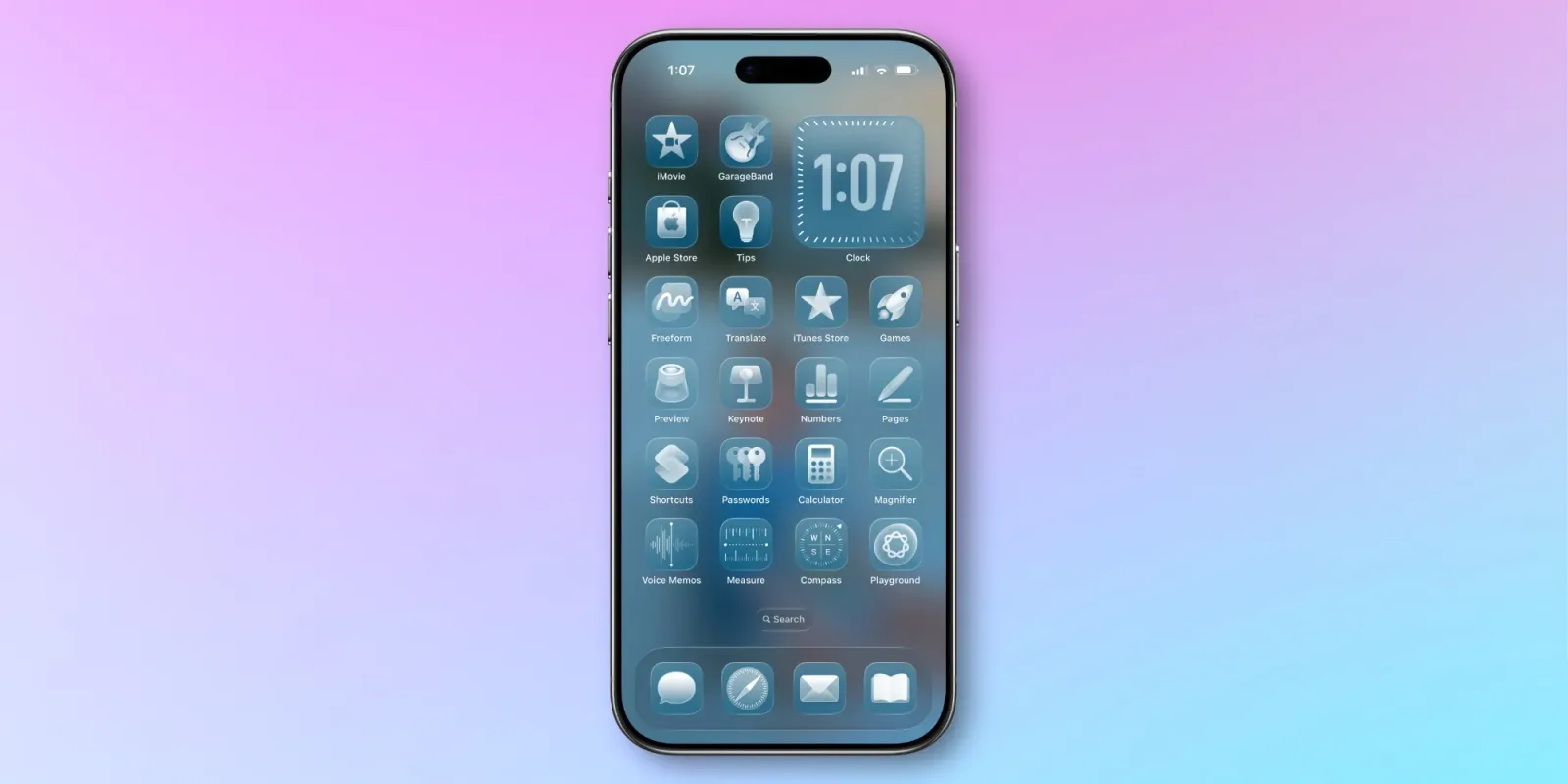
Apple has spent the last few years quietly dismantling its reputation for rigid uniformity. With iOS 16 bringing back lock screen personalization and iOS 18 introducing icon color tinting, the company has signaled a clear shift toward individual expression. Now, with iOS 27 reportedly adding clear icons and a Liquid Glass slider, the iPhone is becoming a canvas for user preference rather than just a tool. This trajectory suggests that Apple is finally listening to users who want their devices to feel uniquely theirs.
However, there is a glaring disconnect in this evolution. While we can now tint our home screen icons to match a specific mood or brand, the rest of the operating system remains stubbornly static. According to recent discussions on the topic, the ability to extend these visual changes system-wide is missing. It feels like Apple has given us the paint but not the brush to cover the entire house. This partial approach leaves users with a fragmented experience that highlights the very uniformity they are trying to escape.
The comparison to Android is unavoidable here. Google’s Material You design language does more than just change colors. It dynamically adapts the entire interface based on the user’s wallpaper, creating a cohesive visual language that flows from the home screen into every app and setting. This is not just about aesthetics. It is about creating a unified identity for the operating system that feels intentional and polished. iOS currently lacks this level of integration, making its customization feel like a collection of separate features rather than a holistic design philosophy.
The introduction of the Liquid Glass slider in iOS 27 is particularly interesting in this context. It suggests that Apple is experimenting with transparency and depth in ways that could easily support a broader theming engine. If Apple can implement a dynamic slider that reacts to touch and context, why not a system-wide color extraction tool? The technical foundation for a Material You equivalent already exists within Apple’s recent design updates. The barrier is no longer capability but rather product strategy.
Critics might argue that Apple’s strength lies in its controlled ecosystem. They might claim that allowing deep customization could lead to a cluttered or inconsistent user experience. Yet, the success of Android’s theming options proves that users can handle complexity without losing usability. Moreover, the demand for personalization is not a niche request. It is a mainstream desire that reflects how people view their devices as extensions of their identity. Ignoring this trend risks making iOS feel outdated compared to more flexible competitors.
From an AI perspective, this is where the next wave of innovation could shine. Imagine an AI assistant that analyzes your daily digital habits and suggests a dynamic theme that matches your workflow. If you are in a creative mode, the interface could shift to vibrant, high-contrast colors. If you are in a focus mode, it could dim to a monochromatic palette. This level of contextual adaptation is the logical next step for mobile operating systems. It moves beyond static customization to intelligent environmental design.
What this means for you is that the future of iOS customization will likely be driven by AI integration rather than manual settings. Instead of manually picking colors, you might use an AI tool to generate a theme that adapts to your time of day or current task. Try this workflow: use an AI image generator to create a wallpaper based on your current project’s mood, then use a color extraction tool to get the hex codes. You can then manually apply these tints to your iOS icons and widgets to create a cohesive, AI-inspired workspace that feels uniquely yours.
Reporting basis: original story
← back to The Wire