the wire · #global · 2026-07-10
John Deere Farm Equipment Owners Have Right-to-Repair, F.T.C. Says
Cech Tech Reviews
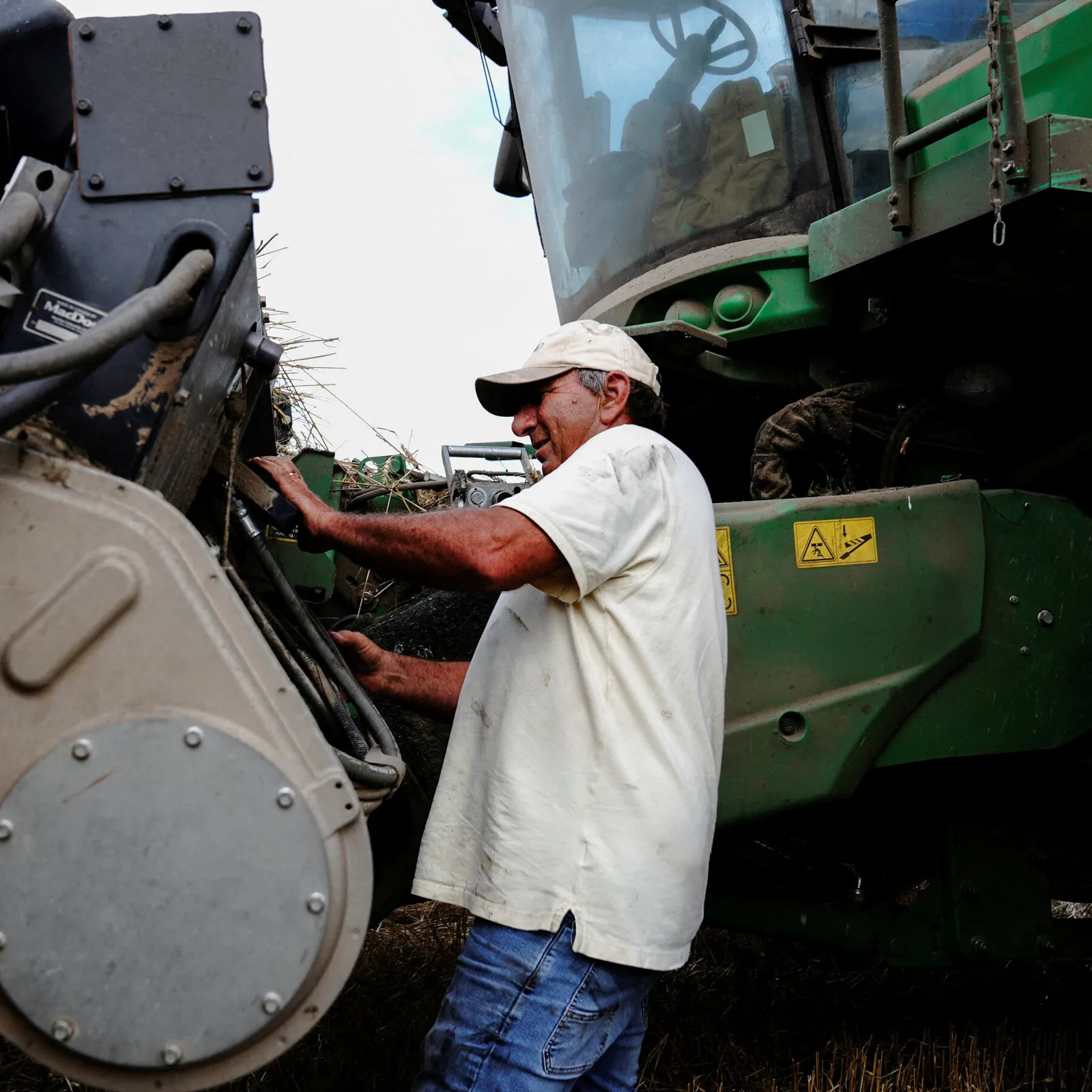
In a significant shift for the agricultural industry, the Federal Trade Commission has finalized a settlement with John Deere that effectively grants farmers and independent mechanics the right to repair their own tractors and combines. According to the agreement, the agricultural giant will no longer restrict access to the software and diagnostic tools necessary for maintenance, marking a major victory for the right-to-repair movement. This development directly challenges the long-standing practice of locking down modern farm equipment behind proprietary digital barriers.
For decades, farmers have been forced to rely exclusively on authorized dealers for even minor repairs, a model that has driven up costs and caused significant downtime during critical planting and harvesting windows. The new settlement requires John Deere to provide the same level of access to independent repair shops and individual owners that they currently offer to their own service centers. This change is expected to lower operational costs for farmers and increase competition in the agricultural service sector.
The implications of this ruling extend far beyond the farmyard. It represents a broader acknowledgment by federal regulators that the software embedded in modern hardware creates monopolistic control over maintenance and repair. By forcing John Deere to open up its digital ecosystem, the FTC is setting a precedent that could influence how other manufacturers of complex machinery handle access to their proprietary systems. This is not just about tractors; it is about the fundamental relationship between hardware owners and software providers.
From an AI and technology perspective, this is a critical moment for the intersection of agricultural technology and open access. Modern farm equipment is essentially a rolling data center, filled with sensors and AI-driven analytics that optimize yield and efficiency. The restriction of repair tools has also restricted the flow of this data, keeping it siloed within the manufacturer's ecosystem. Opening these doors allows for third-party innovation, where independent developers can create new software solutions that leverage this data without needing permission from the original equipment manufacturer.
This shift also highlights the growing importance of data sovereignty for professionals who rely on specialized tools. Just as farmers are reclaiming control over their machinery, professionals in other industries are beginning to demand similar rights over the software that powers their work. The precedent set here could accelerate the trend toward more open standards in industrial IoT, benefiting everyone from small business owners to large enterprise operations.
The settlement also underscores the regulatory pressure companies face when they attempt to limit consumer rights through technical means. As AI becomes more integrated into physical devices, the potential for manufacturers to lock users into specific service ecosystems will only grow. This ruling serves as a warning that regulatory bodies are willing to intervene when proprietary software is used to stifle competition and harm consumers. It is a clear signal that innovation should not come at the cost of user autonomy.
What this means for you: If you use AI-powered tools or specialized software in your work, this trend suggests that open access and data portability will become increasingly important. You should advocate for tools that allow you to export your data and use third-party integrations. To test this mindset, try using an AI assistant to analyze a dataset you own, then ask it to suggest ways to integrate that data with other open-source tools, ensuring you are not locked into a single vendor's ecosystem.
Reporting basis: original story
← back to The Wire

![Apple stops signing iOS versions for several older iPhones and iPads [U: Signing restored]](https://aideaflow.com/api/img/news/0a7b7c0e323d0e7e.webp)