the wire · #topnews · 2026-07-09
Influencers Are Promoting $50 Straws They Claim Will Protect Against Electromagnetic Radiation
Cech Tech Reviews
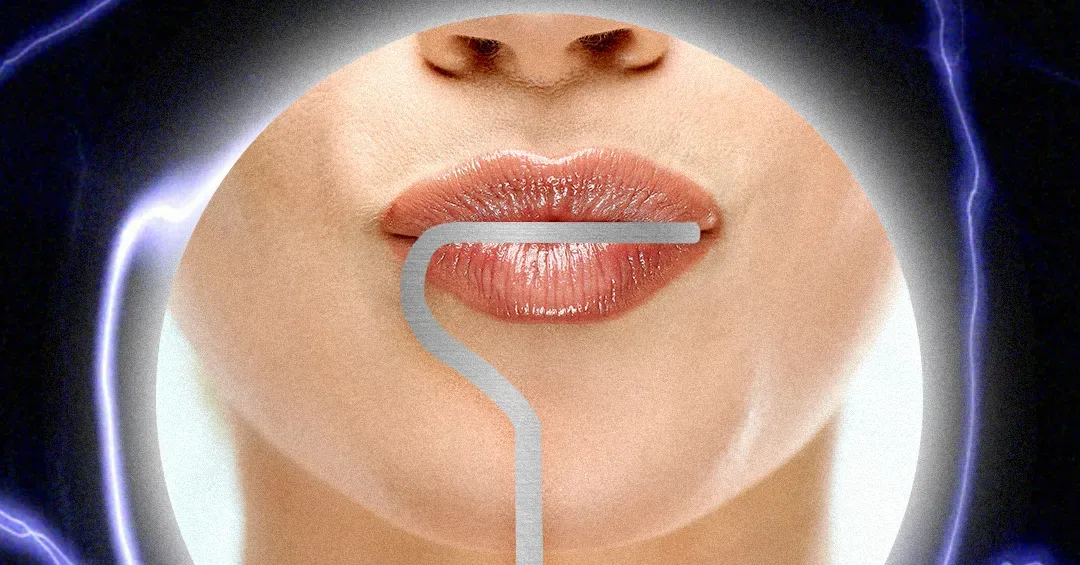
A new wave of social media marketing is pushing consumers toward $50 plastic straws that claim to shield users from electromagnetic radiation. According to recent reports, influencers are promoting these items as essential tools for blocking electromagnetic frequencies emitted by everyday devices. The premise is simple enough to go viral, yet it rests on a foundation that lacks any scientific backing.
The core issue here is not just the price tag but the complete absence of evidence supporting the product's efficacy. No credible studies suggest that a straw can meaningfully reduce your exposure to electromagnetic fields. Despite this, the marketing narrative thrives on anxiety about invisible tech risks. It taps into a genuine, albeit often misplaced, concern about the long-term health impacts of modern connectivity.
This phenomenon reflects a broader trend in the wellness industry where fear is monetized through novelty. Consumers are increasingly looking for tangible ways to manage abstract digital risks. When science offers no easy answers, marketing steps in with simple, purchasable solutions. These products often bypass rigorous testing in favor of anecdotal testimonials and aesthetic appeal.
From an AI and tech perspective, this highlights the power of algorithmic amplification in spreading misinformation. Social media platforms prioritize engagement, and fear-based content often drives high interaction rates. Influencers benefit from this dynamic by promoting products that solve problems many people do not fully understand. The result is a marketplace flooded with gadgets that promise protection but deliver placebo effects.
The real danger lies in the erosion of trust in scientific consensus. When pseudoscience gains traction through charismatic voices, it becomes harder for experts to communicate actual risks. People may invest money in useless products while ignoring genuine health concerns. This shift undermines the importance of evidence-based decision making in an era where information is abundant but accuracy is scarce.
For professionals navigating this landscape, critical thinking is your best defense. Always question the source of health claims and look for peer-reviewed research. If a product seems too good to be true, it likely is. Stay informed by relying on established scientific institutions rather than social media trends.
What this means for you is that you should approach viral health gadgets with extreme skepticism. Instead of buying into unproven solutions, focus on building digital hygiene habits that are actually effective. You can use an AI assistant to help you evaluate health claims by asking it to summarize peer-reviewed studies on a specific topic. Try this prompt: Summarize the current scientific consensus on the health effects of low-level electromagnetic radiation from mobile devices, citing only peer-reviewed sources from the last five years.
Reporting basis: original story
← back to The Wire