the wire · #gadgets · 2026-10-04
John Ternus is taking a more ‘hands-on' role in Apple's design teams as CEO: report
Cech Tech Reviews
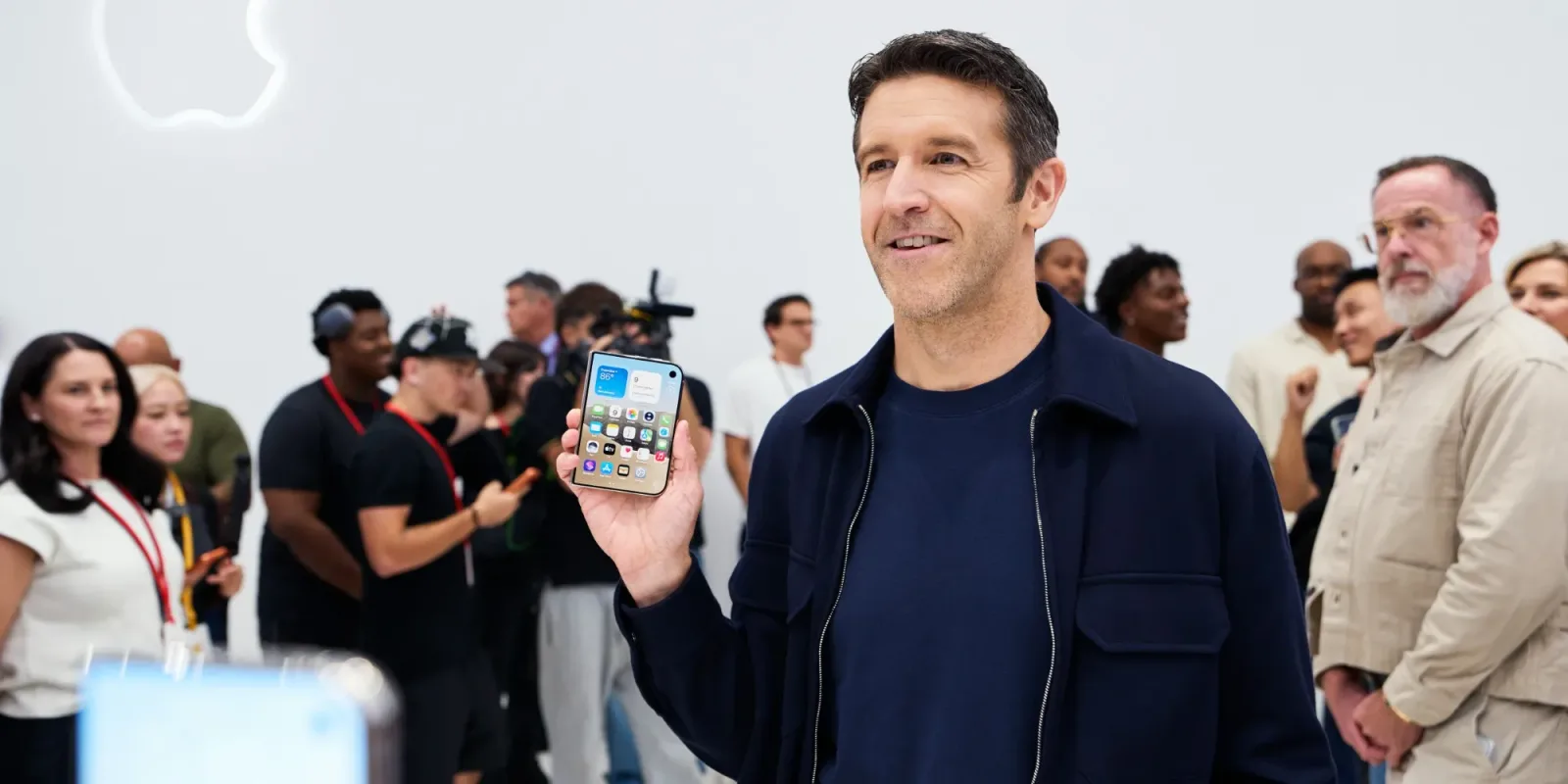
Apple is undergoing a significant structural shift in how it approaches product design. According to a recent report by Bloomberg’s Mark Gurman, CEO John Ternus is taking a much more hands-on role in both industrial design and human interface teams. This move fills a leadership vacuum that has persisted since Jony Ive’s departure in 2019.
For years, the absence of a dedicated chief design officer has been a topic of speculation among tech analysts. Former COO Jeff Williams briefly oversaw these critical functions before leaving the company last year. Now, the highest office in the building is directly engaging with the creative processes that define Apple’s brand identity.
This development suggests a strategic pivot toward tighter integration between hardware engineering and user experience design. Ternus, who previously led hardware engineering, is uniquely positioned to bridge the gap between physical product constraints and software interface requirements. His dual background allows him to make decisions that prioritize both manufacturability and user interaction.
The implications for AI enthusiasts are subtle but profound. As Apple continues to embed artificial intelligence into its ecosystem, the interface through which users interact with these models becomes paramount. A CEO deeply involved in design ensures that AI features are not just technically functional but intuitively accessible. This could mean smoother onboarding for complex AI tools in future iOS and macOS updates.
Industry observers often note that Apple’s strength lies in its holistic approach to technology. By having the CEO directly oversee design, the company may accelerate its ability to innovate in areas like spatial computing and generative AI. It reduces bureaucratic friction and allows for faster iteration cycles when new technologies emerge.
This leadership change also reflects a broader trend in tech where CEOs are becoming more involved in product details. It signals that design is no longer just an aesthetic concern but a core business driver. For professionals using Apple devices, this could result in more cohesive and intelligent software experiences that feel native to the hardware.
What this means for you: As Apple integrates more AI capabilities into its devices, expect a stronger focus on intuitive design. To stay ahead, try using an AI assistant to analyze your current workflow. Ask it to identify repetitive tasks that could be automated by upcoming Apple Intelligence features. This proactive approach will help you leverage the new design-led AI tools as soon as they are released.
Reporting basis: original story
← back to The Wire