the wire · #ai · 2026-10-30
Maine’s data center revolt will decide who controls the Senate
Cech Tech Reviews
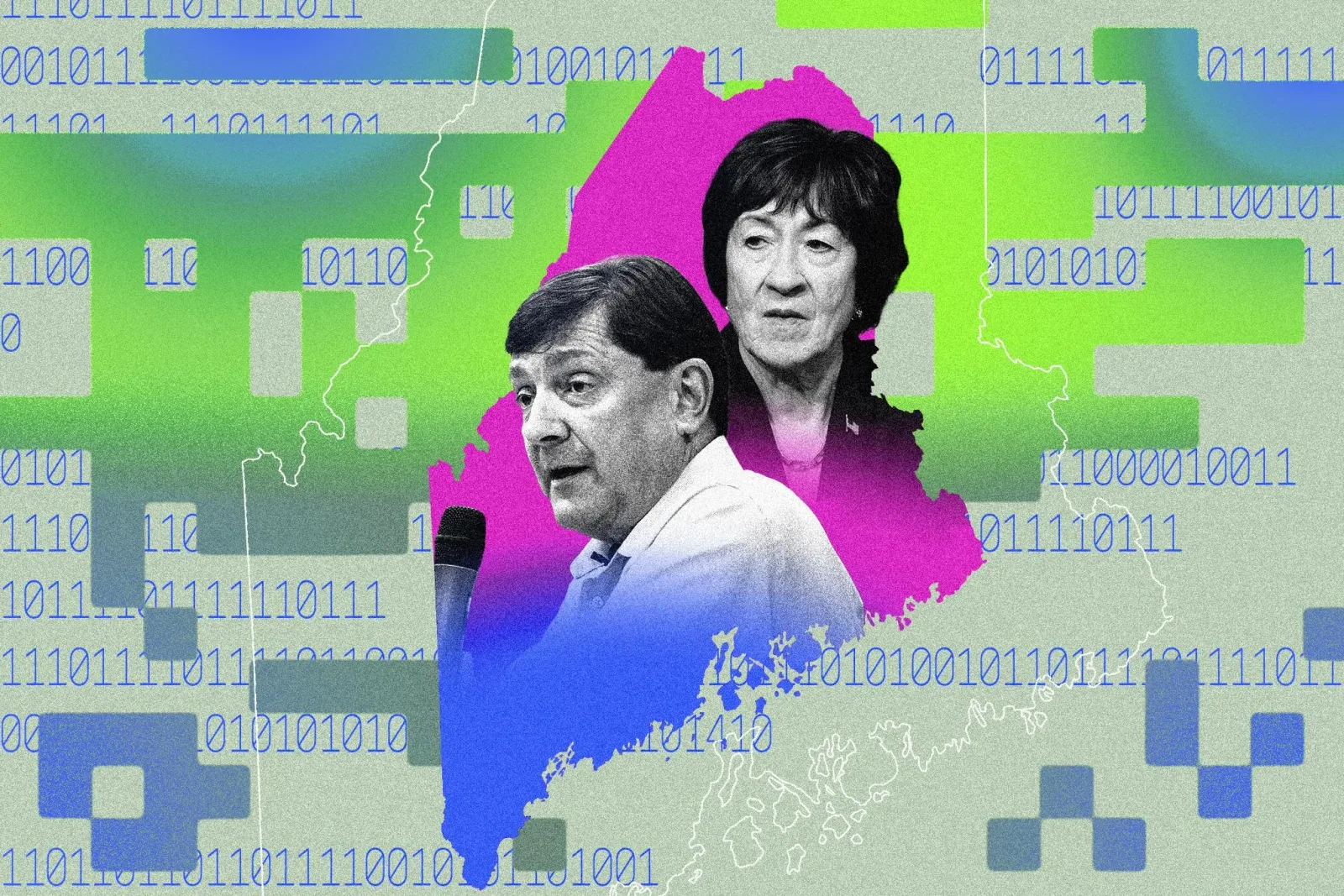
The narrative that artificial intelligence is an inevitable, uncontrollable force is facing its first major political headwinds in Maine. According to reporting by The Verge, the rapid expansion of resource-intensive data centers has transformed a local election into a national flashpoint. This shift suggests that the AI boom is no longer just a story for Silicon Valley insiders but a tangible issue affecting local governance and community resources.
During a recent debate, Republican Senator Susan Collins faced a raw emotional confrontation that highlighted the depth of public anxiety. An audience member interrupted her to express terror over the environmental impact of these facilities. The outburst was not an isolated incident but rather a symptom of a broader cultural clash between rapid technological adoption and local sustainability.
Collins attempted to dismiss the concern by linking the protester to her Democratic challenger, Troy Jackson. However, this political maneuvering failed to address the core fear echoing through the auditorium. The audience members were not merely reacting to campaign tactics but to the very real prospect of their local infrastructure being overwhelmed by industrial-scale computing.
The issue of data center growth has exploded into one of the most volatile topics in the upcoming midterm elections. Maine drew national headlines earlier this year when the state legislature debated the scale of these projects. The debate centered on whether the economic benefits of hosting AI infrastructure outweigh the strain on local power grids and water supplies.
This political friction reveals a critical blind spot in the current AI development model. Companies are building massive facilities with minimal regard for local community pushback or environmental regulations. The result is a growing disconnect between the abstract benefits of AI and the concrete costs borne by the communities hosting the hardware.
The outcome of this Senate race will likely serve as a bellwether for how other states handle the AI infrastructure boom. If voters prioritize environmental and resource concerns over economic promises, it could force tech companies to rethink their expansion strategies. This could lead to stricter regulations or a shift toward more sustainable computing practices.
What this means for you: As an AI professional, you must recognize that the social license to operate is becoming a key constraint on industry growth. You should start integrating environmental impact assessments into your project planning. Try using an AI assistant to draft a community engagement plan that addresses local concerns about energy usage and water consumption for your next infrastructure proposal.
Reporting basis: original story
← back to The Wire