the wire · #ai · 2026-10-30
Sam Altman sympathizes with mathematicians, but says OpenAI’s math onslaught won’t stop
Cech Tech Reviews
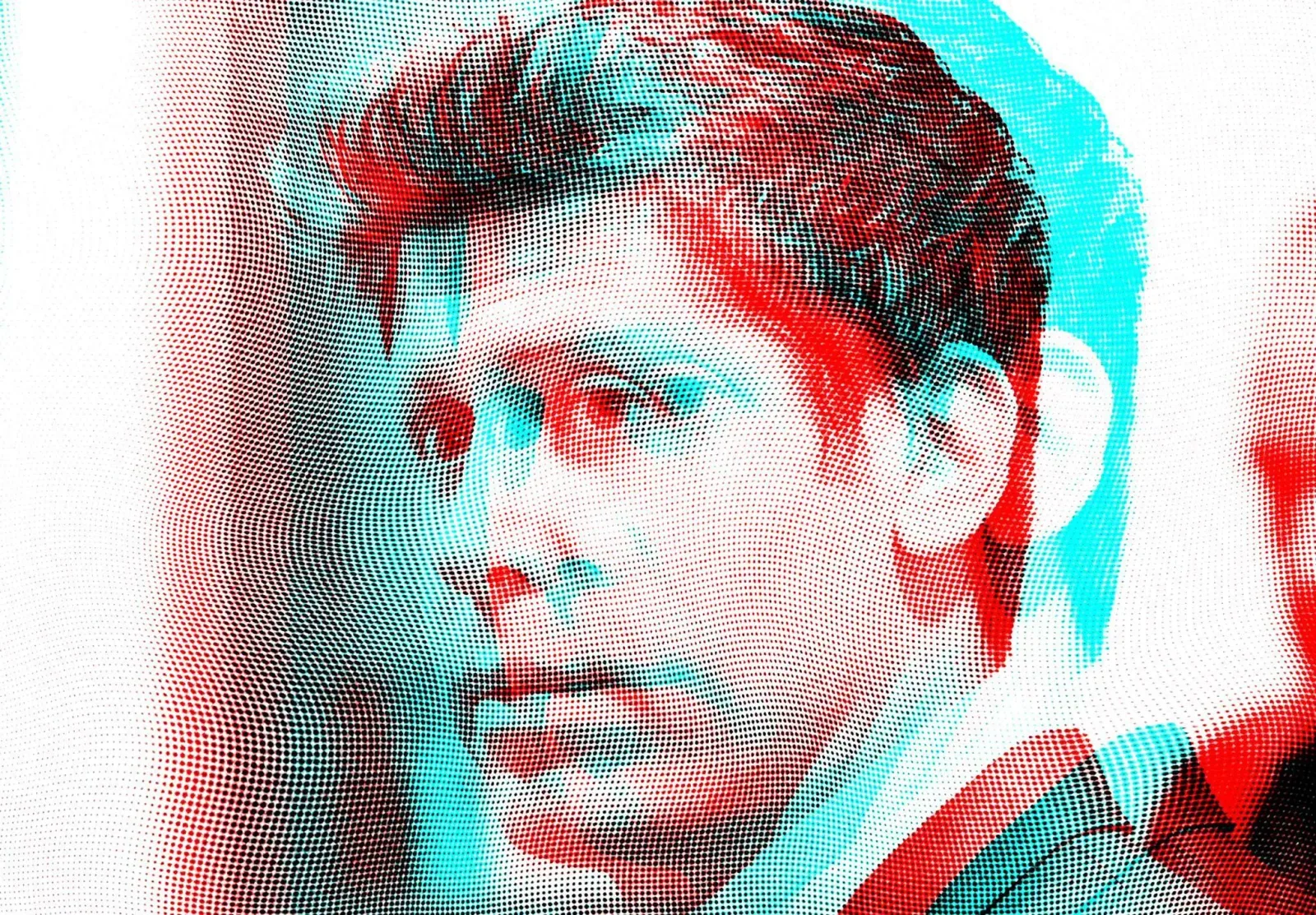
Sam Altman has finally addressed the growing unease among mathematicians regarding OpenAI’s recent output. During a recent episode of the Cheeky Pint podcast, the OpenAI CEO expressed sympathy for researchers who are struggling to process the sheer volume of AI-generated proofs and conjectures. He admitted that while the results are promising, the method of delivery has been overwhelming for the academic community.
According to reporting by The Verge, Altman did not apologize for the pace of discovery. Instead, he framed the situation as a necessary trade-off for scientific progress. He stated that the world deserves to understand how the universe works, even if the path to that understanding is currently chaotic. This distinction between the value of the result and the difficulty of the process is crucial to understanding OpenAI’s current strategy.
The company has been bombarding the mathematical community with a relentless stream of AI-generated results over the past several months. These outputs include new proofs for complex problems and novel conjectures that human researchers might not have considered. While some of these findings require significant human effort to verify and contextualize, the speed at which they are produced is unprecedented in the field.
Altman’s comments suggest that OpenAI views this output not as a bug, but as a feature of their broader mission. By treating mathematics as a solvable engineering problem rather than a purely theoretical discipline, they are attempting to accelerate discovery at a scale previously thought impossible. This approach aligns with their broader goals in artificial general intelligence, where automating high-level reasoning is a key objective.
The CEO also hinted that there is much more to come from OpenAI’s stockpile of discoveries. This implies that the current wave of mathematical outputs is just the beginning of a larger trend. As their models become more capable, the volume and complexity of the problems they can tackle will likely increase. This could lead to a fundamental shift in how mathematical research is conducted and validated.
For the mathematical community, this presents both an opportunity and a challenge. On one hand, AI can help solve problems that have stumped humans for decades. On the other hand, it raises questions about the role of human intuition and creativity in scientific discovery. The community must now adapt to a new reality where AI is not just a tool, but a co-researcher.
What this means for you is that the landscape of technical problem-solving is changing rapidly. If you work in data science, engineering, or research, you should start exploring how AI can assist in hypothesis generation and proof verification. Try using an AI assistant to brainstorm alternative approaches to a complex problem you are currently stuck on. Ask it to generate three unconventional solutions based on first principles, then critically evaluate which ones have merit. This workflow can help you leverage AI’s pattern recognition without relying on it for final validation.
Reporting basis: original story
← back to The Wire