the wire · #ai · 2026-10-29
Ex-Palantir execs launch Dream with $17M from a16z to build AI world models for construction
Cech Tech Reviews

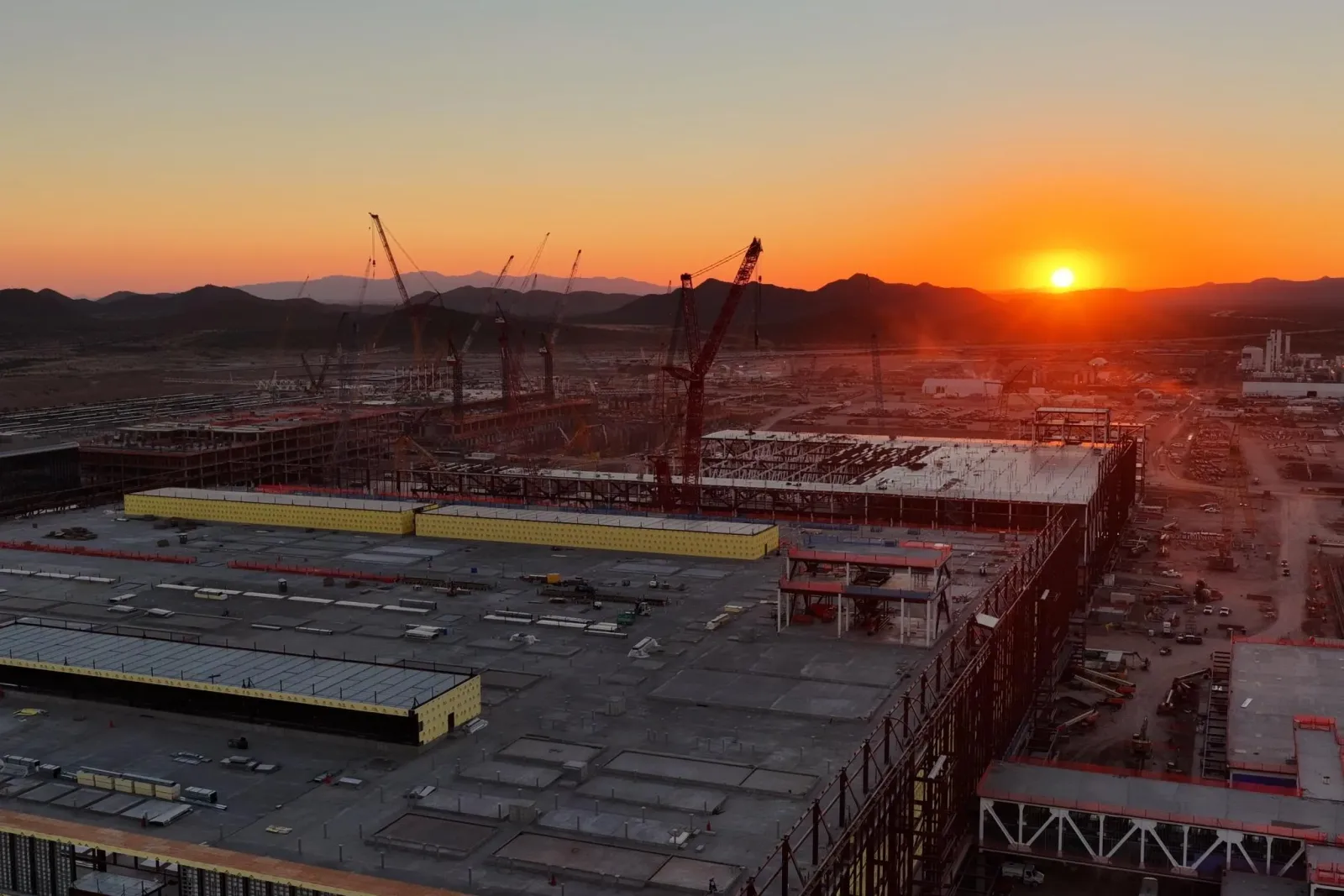
The construction industry has long been criticized for its slow adoption of digital tools, but a new startup called Dream is attempting to change that narrative with a heavy dose of artificial intelligence. According to recent reports, the company was founded by former executives from Palantir, the data analytics giant known for its work with government and enterprise clients. They have secured $17 million in funding from Andreessen Horowitz, signaling strong investor confidence in their ambitious vision.
Dream is not just building another project management dashboard. Instead, they are developing what they call AI world models specifically tailored for the physical world of construction. This concept draws a direct parallel to how large language models learn from text. Just as an LLM ingests vast amounts of written data to understand language patterns, Dream’s models are trained on more than 100 million square feet of building data. This dataset is pulled directly from permit archives across the United States, providing a rich foundation for understanding how structures are actually built.
What makes this approach particularly interesting is its grounding in real physics and established construction standards. Most generative AI tools operate in the realm of abstract symbols or text. Dream is trying to bridge the gap between digital simulation and physical reality. By incorporating the laws of physics and industry regulations into their training data, they aim to create models that can predict how buildings will behave before a single brick is laid.
The choice of founders is significant here. Palantir has a reputation for handling complex, messy, and highly regulated data environments. Their expertise in making sense of unstructured information is likely crucial for processing the chaotic nature of construction permits and blueprints. This background suggests that Dream is approaching the problem with a rigorous, data-first mindset rather than a purely creative one.
Investor interest from a16z further validates the potential scale of this opportunity. The construction sector is massive and notoriously inefficient, with billions of dollars lost annually due to delays and cost overruns. If Dream can deliver on its promise of predictive accuracy, it could fundamentally alter how projects are planned and executed. This is not just about automation but about creating a digital twin of the construction process that can be tested and optimized in silico.
However, the path forward is not without challenges. Integrating real-world physics with AI models requires immense computational power and precise data quality. Construction sites are dynamic environments where conditions change rapidly. Ensuring that the AI world model remains accurate as a project progresses will be a significant technical hurdle. The startup will need to prove that its simulations are not just theoretically sound but practically useful for on-site teams.
This development highlights a broader trend in AI where the focus is shifting from purely digital applications to physical world interactions. We are seeing similar efforts in robotics, autonomous vehicles, and manufacturing. The key differentiator for Dream will be its ability to handle the specific complexities of the built environment, which is far more constrained and regulated than other domains.
What this means for you If you work in architecture, engineering, or construction, keep an eye on how these world models evolve. They could soon become standard tools for risk assessment and resource planning. To start thinking about this shift, try using an AI assistant to analyze a sample building permit or blueprint. Ask it to identify potential compliance issues or logistical bottlenecks based on standard construction practices. This simple exercise can help you understand how AI might eventually augment your decision-making process in complex physical projects.
Reporting basis: original story
← back to The Wire