the wire · #ai · 2026-07-11
Meta turns off the Instagram feature that let users make AI deepfakes of public accounts
Cech Tech Reviews

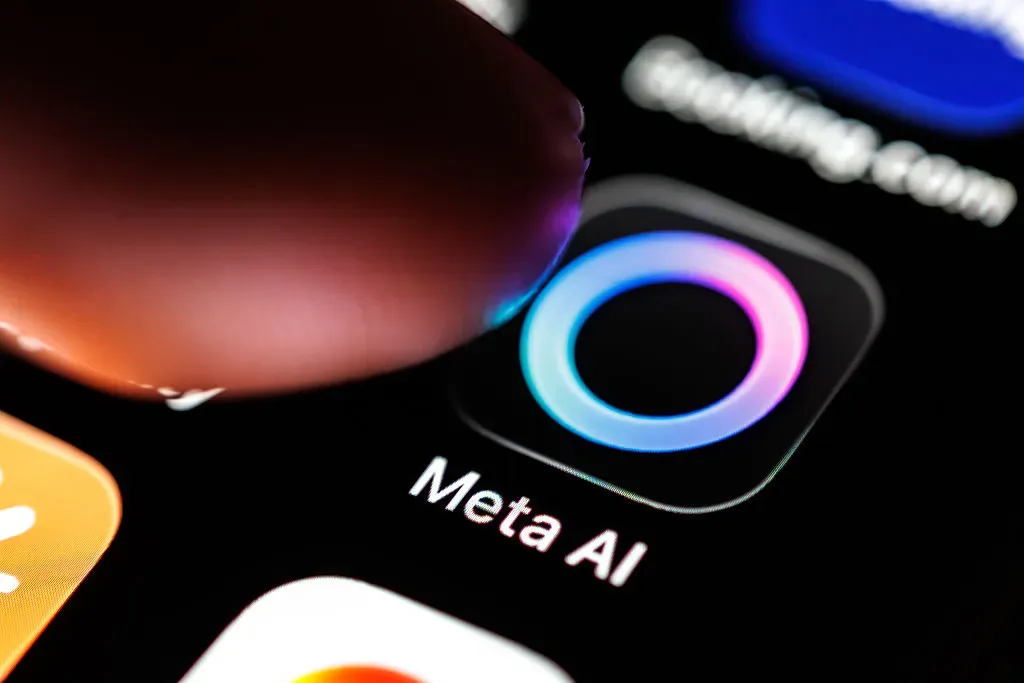
Meta is walking back a controversial AI feature just days after launching it. According to reporting by The Verge, the company has turned off the functionality that allowed users to generate AI images by tagging public Instagram accounts. This rapid reversal highlights the fragile balance tech giants must strike between innovation and user trust.
The feature was introduced as part of Meta AI's new Muse Image model. It promised a creative shortcut for users who wanted to reference public figures or influencers in their generated images. However, the implementation lacked basic safeguards for the individuals whose likenesses were being used.
The core issue was the absence of explicit consent. Any content from a public Instagram account could be harvested and repurposed by anyone with the tagging tool. This meant that ordinary users, celebrities, and brands alike were exposed to potential misuse without their knowledge or permission.
Backlash was swift and severe. Users and privacy advocates pointed out that this setup effectively legalized non-consensual deepfakes on a massive scale. The tool did not distinguish between respectful homage and malicious fabrication, creating a perfect storm for abuse.
Meta acknowledged the problem in an update to their blog post. They stated that their intent was to provide a useful creative tool, not to violate user privacy. This admission suggests that the company underestimated the speed at which the community would react to such a permissive policy.
This incident serves as a stark reminder that technical capability does not equal ethical deployment. Just because a company can build a feature does not mean it should launch it without rigorous ethical review. The gap between product release and policy correction is closing, but the damage to trust can be lasting.
For AI developers and product managers, this is a critical case study in responsible AI design. Consent mechanisms must be built into the architecture, not added as an afterthought. Platforms need to anticipate how their tools can be misused and implement guardrails before launch.
What this means for you: If you are a creator or professional using AI tools, assume your digital likeness is vulnerable. You must proactively manage your privacy settings and monitor how your content is being used. Try this prompt with your AI assistant to audit your current digital footprint: "Analyze the privacy settings of my public social media profiles and list three specific ways my content could be misused by generative AI tools, then suggest concrete steps to restrict access."
Reporting basis: original story
← back to The Wire