the wire · #ai · 2026-07-10
Would you host part of an AI data center in your home?
Cech Tech Reviews
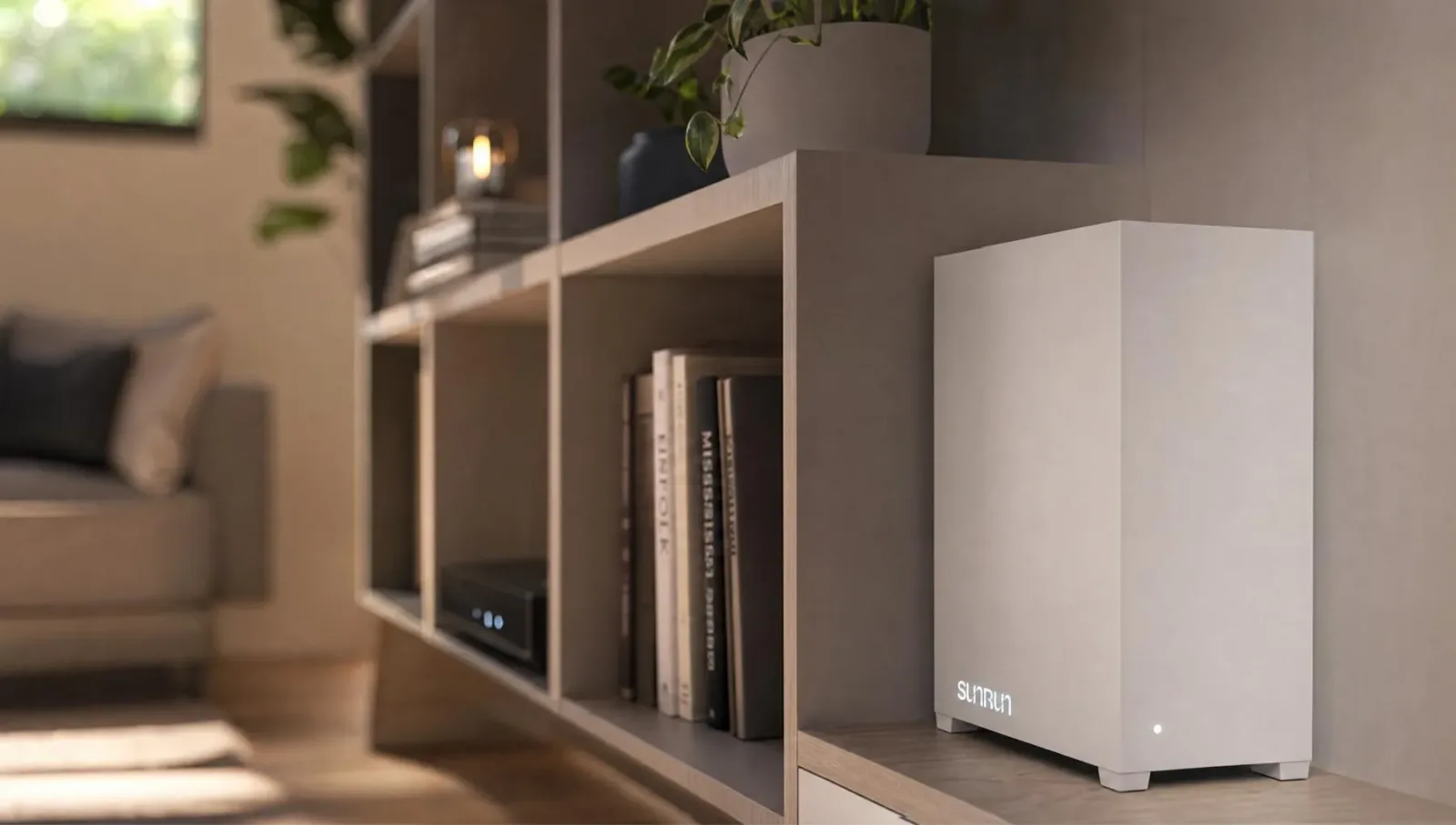
The race to build AI infrastructure is hitting a wall. Traditional data centers are massive energy hogs, and the grid is struggling to keep up with the insatiable demand from large language models. Sunrun, a company known for residential solar and battery storage, sees a gap in this market. They are not building a new facility. Instead, they are turning your garage into a data center node. According to The Verge, Sunrun is launching a pilot program to place compute units in homes that already have their solar panels and batteries.
This is a clever pivot for a home energy company. They are leveraging existing infrastructure to solve a different problem. The homes already have the power generation and storage capacity to handle the heat and electricity load of AI workloads. By placing these nodes in residential settings, Sunrun bypasses the need for expensive new construction and complex permitting processes. It is a decentralized approach to a centralized industry problem.
The financial incentive is clear for the homeowners. Sunrun plans to compensate participants for allowing these compute nodes to operate in their homes. This turns idle hardware into a revenue stream. For many homeowners, this could be a way to offset the cost of their solar systems. It transforms passive energy consumption into active income generation through distributed computing resources.
On the other other side, enterprise buyers get access to compute power without the capital expenditure of building a data center. AI companies are desperate for scalable compute. They often face long waitlists for cloud resources. This distributed model offers a flexible alternative. It allows them to tap into a network of underutilized residential power and compute capacity.
The implications for energy grids are significant. AI workloads are predictable and can be scheduled. This aligns well with solar production cycles. By running heavy computations when the sun is shining, these nodes can use clean energy directly. This reduces the strain on the grid during peak hours. It also promotes the use of renewable energy for one of the dirtiest aspects of modern technology.
However, there are hurdles to clear. Home networks are not designed for enterprise-grade reliability. Security and privacy concerns will be paramount. Users will need to trust that their personal data is not at risk. Sunrun will have to prove that these nodes are isolated and secure. The technical challenges of managing thousands of distributed nodes are substantial.
This trend signals a shift toward edge computing in the AI era. We are moving away from monolithic data centers toward a more distributed model. This could democratize access to AI infrastructure. It also raises questions about the future of home energy management. Your home might soon be a node in a global AI network.
What this means for you: If you have solar panels, this could be a new income stream. Keep an eye on Sunrun’s pilot program details. For now, you can simulate this workflow by using an AI assistant to analyze your home energy usage patterns. Ask it to identify peak solar production times and suggest tasks that could be scheduled then to maximize self-consumption. This prepares you for a future where your home energy is a tradable commodity.
Reporting basis: original story
← back to The Wire