the wire · #topnews · 2026-11-24
Now There’s a GLP-1 in Chocolate Form
Cech Tech Reviews
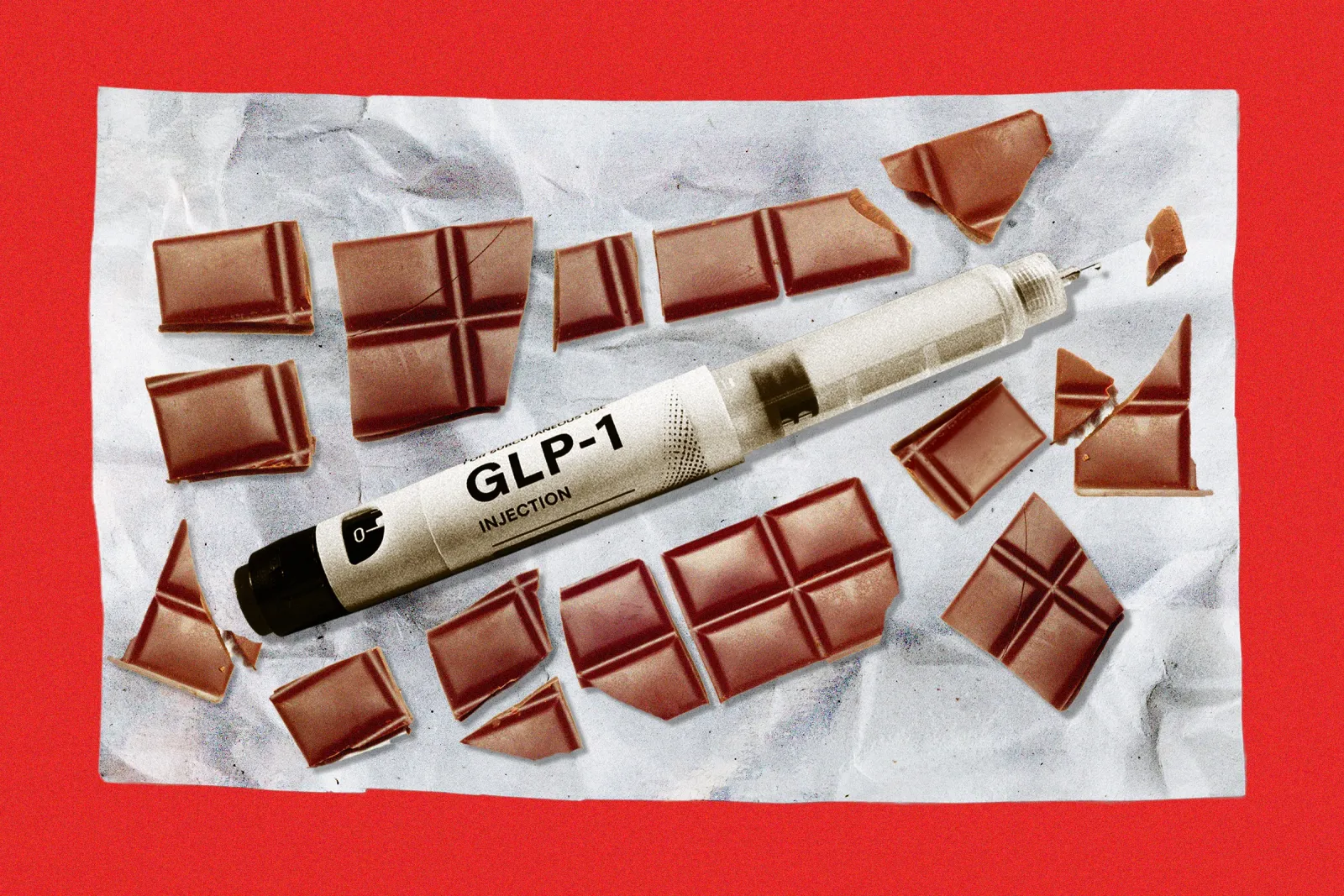
The intersection of pharmaceuticals and consumer convenience has taken a bizarre turn, and it is happening right in the chocolate aisle. According to recent reports, a telehealth clinic is currently dispensing orforglipron, the active compound behind Eli Lilly’s blockbuster weight-loss drug Zepbound, in the form of edible chocolate squares. This is not a new candy flavor. It is a direct challenge to traditional pharmaceutical distribution models.
Eli Lilly is not amused by this development. The company has reportedly taken legal action to stop the practice, citing safety concerns and the lack of proper medical oversight. The idea of a prescription-grade GLP-1 agonist being consumed like a treat bypasses the careful dosing and monitoring that usually accompanies such potent medications. This raises immediate red flags for patient safety and regulatory compliance.
From an AI and tech perspective, this story highlights the growing tension between rapid digital health innovation and established regulatory frameworks. Telehealth platforms are leveraging technology to democratize access to treatments, often using AI to streamline patient intake and prescription approval. However, when the delivery mechanism becomes as unconventional as chocolate, it exposes the gaps in how we regulate digital health services.
The broader implication here is about the future of drug delivery. As AI models become better at predicting patient needs and optimizing treatment plans, we might see more personalized and unconventional delivery methods. But without strict guardrails, these innovations can quickly spiral into unsafe practices. The chocolate example is extreme, but it serves as a cautionary tale for the industry.
For entrepreneurs and developers in the health tech space, this is a critical moment to reflect on the ethics of accessibility versus safety. Just because you can deliver a drug through an app does not mean you should deliver it in any form. The market for weight-loss drugs is booming, and the pressure to innovate is intense. However, cutting corners on safety can lead to severe legal and reputational consequences.
What this means for you: If you are building or using AI tools in the health sector, prioritize safety and compliance in your design. Use AI to enhance the patient experience, not to bypass critical medical safeguards. Consider implementing a workflow where AI-assisted prescriptions are reviewed by a human expert before any non-standard delivery method is approved. This simple step can help you avoid the pitfalls that Lilly is currently fighting in court.
Reporting basis: original story
← back to The Wire