the wire · #topnews · 2026-11-23
Review: The Asus ProArt P16 offers a glimpse of a future powered by local AI
Cech Tech Reviews
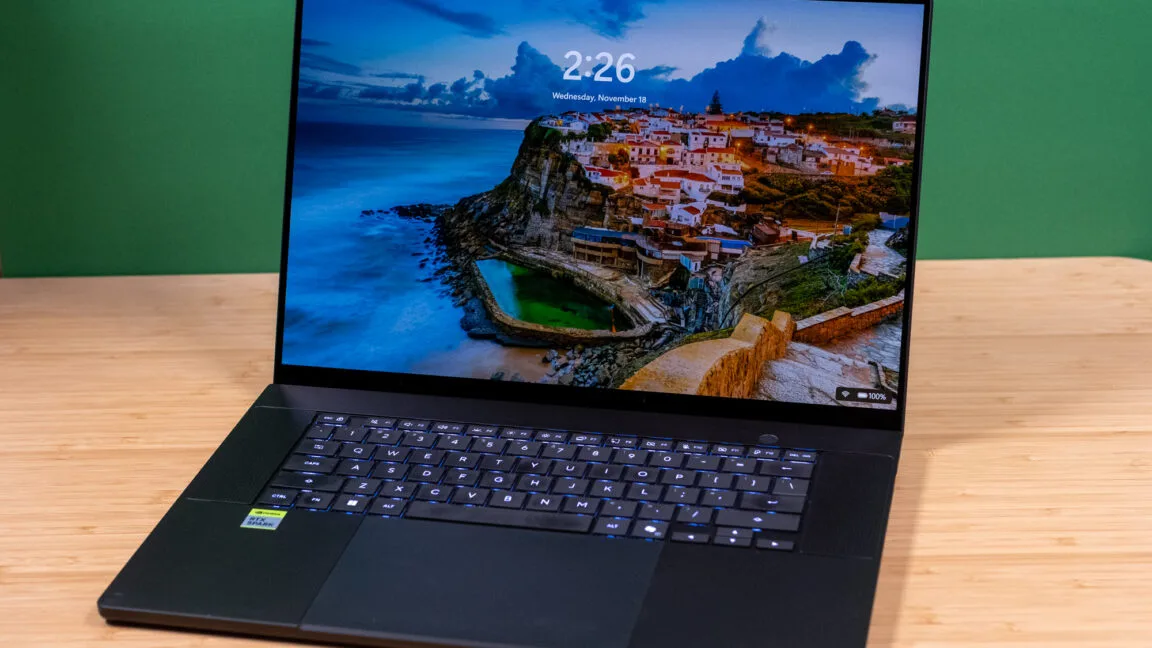
The laptop market has been drowning in AI branding noise for years. Most manufacturers slap a generic AI sticker on their devices without delivering any real computational power. It has been frustrating for professionals who actually need to run local models for privacy or speed. Asus is trying to change that narrative with the new ProArt P16. This machine is not just another marketing gimmick. It is a serious attempt to build a workstation that can handle heavy local AI workloads natively.
The core of this device is Nvidia's new RTX Spark architecture. This chip is designed to unify graphics and AI processing in a way we have not seen before. Asus has paired this with a staggering 128GB of unified memory. This is a critical detail because local AI models are often limited by how much data they can load into RAM. Most laptops cap out at 32GB or 64GB. The ProArt P16 removes that bottleneck entirely. You can load massive language models directly onto the device without relying on cloud servers.
This hardware configuration allows the laptop to serve as a primary machine for gaming and productivity. You do not need a separate desktop tower for heavy lifting. The unified memory architecture means data moves seamlessly between the CPU and GPU. This reduces latency and improves efficiency for complex tasks. It is a significant step toward the all-in-one computing dream that tech enthusiasts have chased for decades. The hardware is undeniably impressive on paper.
However, the cost of entry is steep. The top-end configuration runs around $7,000. This price point places it firmly in the realm of enterprise workstations rather than consumer electronics. You are paying for the ability to run a small army of AI agents locally. For most users, this is overkill. But for researchers or developers who need to test models in isolation, it is a compelling option. The value proposition depends entirely on your specific workflow needs.
Running local AI is not as simple as installing an app. It still requires a fair amount of trial and error. You need to understand model quantization and system optimization. Windows is more approachable than Linux for this, but the learning curve remains. The hardware does not solve the software complexity. It just provides the raw power to make it feasible. Users must be willing to tinker to get the best results.
This launch signals a shift in how we think about personal computing. The era of cloud-only AI is ending for privacy-conscious professionals. Local processing offers speed and security that the cloud cannot match. Asus is betting that the market is ready for this level of performance. The ProArt P16 is a glimpse of a future where your laptop is a true AI powerhouse. It is expensive, but it is also practical.
What this means for you: If you are a developer or data scientist, local AI is no longer a niche hobby. It is becoming a professional requirement. Start experimenting with open-source models on your current hardware to understand the limitations. Then, consider if an upgrade like the ProArt P16 fits your budget. Try this prompt to optimize your local workflow: "Analyze this Python script for memory efficiency and suggest optimizations for running on a system with 128GB unified memory and limited GPU VRAM." This will help you prepare for the next generation of local AI tools.
Reporting basis: original story
← back to The Wire