the wire · #topnews · 2026-08-04
How headlights got brighter, whiter, and more blinding after dark
Cech Tech Reviews
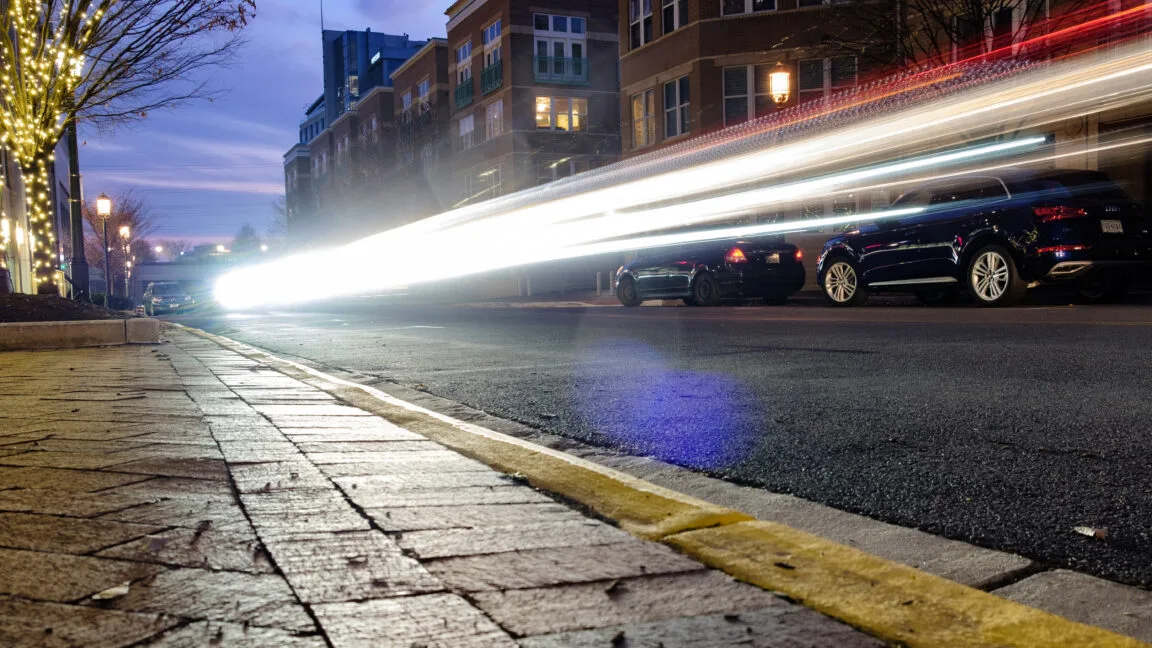
The experience of driving at night has changed dramatically in recent years, evolving from a manageable task into a potential hazard for many motorists. According to a recent report by The Verge, drivers are increasingly finding themselves blinded by the intense, cold-white beams of oncoming vehicles. This is not merely a matter of careless drivers leaving their high beams on, but rather a systemic shift in automotive lighting technology that has outpaced regulatory safeguards.
The core issue is an unspoken lumen arms race among vehicle manufacturers. As cars become more software-defined and sensor-laden, lighting systems have become a key differentiator for brands. The result is a flood of extremely bright, high-color-temperature light that feels less like illumination and more like a targeted retinal strike. This intensity is often described as resembling the light of a police helicopter rather than a standard vehicle headlight.
Historically, automotive lighting was designed with a clear safety mandate. Early horse-drawn carriages used dim oil lanterns, which led to frequent collisions simply because visibility was so poor. The evolution toward brighter lights was intended to solve this problem, allowing drivers to see further down unlit roads. However, the current trajectory suggests that brightness has become an end in itself, rather than a tool for safe navigation.
The psychological and physiological impact of this shift is significant. The sudden influx of cold-white light can cause temporary blindness, forcing drivers to look away from the road or close their eyes. This involuntary reaction creates a dangerous window of time where the driver is effectively flying blind. It is a stark reminder that human vision is not designed to handle the sheer power of modern LED and laser lighting systems without adequate diffusion or adaptive control.
This trend highlights a broader disconnect in the automotive industry between technological capability and user safety. While manufacturers focus on the specs and the visual appeal of their lighting signatures, they often overlook the cumulative effect on other road users. The lack of standardized limits on brightness and color temperature has created a fragmented landscape where safety is compromised for aesthetic or marketing gains.
The solution likely lies in smarter, adaptive lighting systems that prioritize function over raw power. Instead of simply increasing lumen output, manufacturers should focus on precision beam shaping and dynamic adjustment based on real-time traffic conditions. This would allow for maximum visibility without causing glare, ensuring that everyone on the road can see clearly and safely.
What this means for you: As AI and autonomous driving features become more common, expect lighting systems to become more intelligent. For now, you can mitigate the risk of glare by ensuring your own headlights are properly aligned and using your rearview mirror’s night mode. Try this prompt with your AI assistant to understand adaptive lighting: "Explain how adaptive driving beams use cameras and sensors to mask oncoming traffic while maintaining high beam illumination, and list the key safety benefits compared to traditional static headlights."
Reporting basis: original story
← back to The Wire