the wire · #ai · 2026-07-02
OpenAI floats giving Trump administration 5 percent cut of AI boom
Cech Tech Reviews

The landscape of artificial intelligence governance is shifting from abstract ethical debates to concrete financial stakes. According to reporting by the Financial Times, OpenAI has floated a proposal to grant the US government a five percent ownership stake in the company. This move appears designed to ease mounting tensions with the Trump administration while simultaneously addressing growing public skepticism about the rapid advancement of AI technologies.
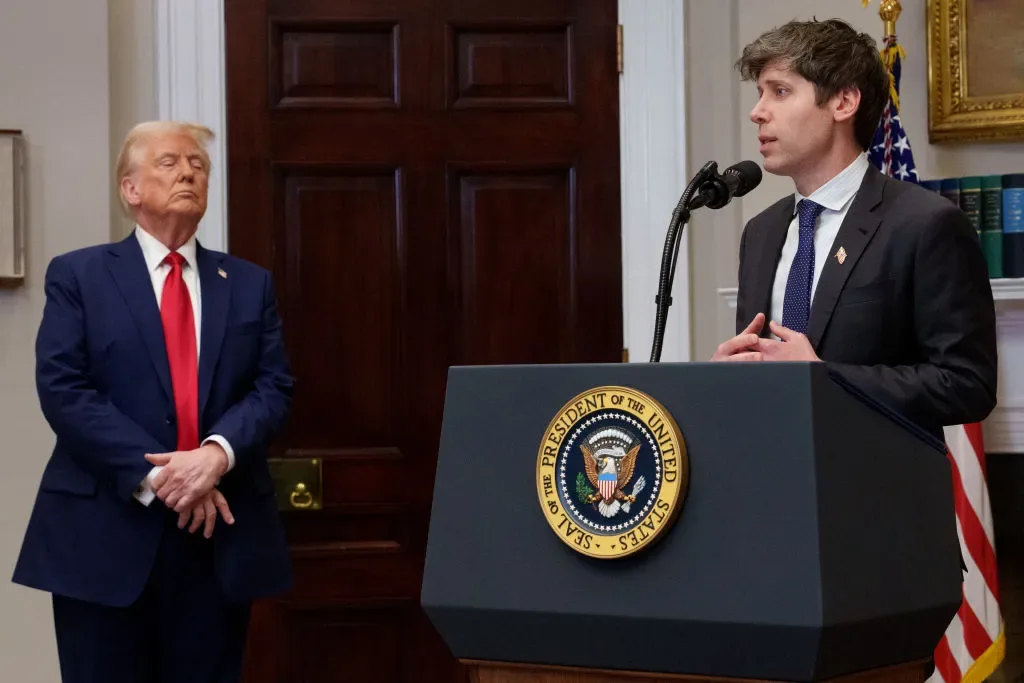
CEO Sam Altman is reportedly the architect of this strategy. He has argued that giving the public a direct financial interest in the company is the most effective way to share the economic upside of the AI boom. This approach suggests a belief that financial alignment can serve as a more powerful tool for public trust than regulatory compliance alone.
The timeline for this proposal is quite specific. Reports indicate that Altman first pitched this idea to Donald Trump early last year. This early engagement suggests that OpenAI has been anticipating political headwinds for some time. It also highlights the high level of direct access tech CEOs now have with political leaders.
The valuation of this potential stake is staggering. Based on OpenAI's latest funding round, which valued the company at eight hundred fifty two billion dollars, a five percent cut would be worth over forty billion dollars. This figure alone underscores the immense economic power concentrated in a handful of AI companies. It also illustrates the scale of resources the government would be managing if it accepted such a stake.
This proposal is not just about money. It is a strategic maneuver to blunt public backlash. As concerns about job displacement, misinformation, and safety grow, the narrative that AI benefits only a wealthy elite is gaining traction. By offering a slice of the pie to the public through the government, OpenAI attempts to reframe the narrative from corporate greed to shared national prosperity.
However, this approach raises complex questions about the role of government in private enterprise. Accepting an equity stake would blur the lines between regulator and investor. It could create conflicts of interest that complicate future oversight. The government would have a vested interest in the company's success, which might temper its willingness to enforce strict safety regulations.
What this means for you is that the relationship between tech giants and the state is evolving rapidly. If you are an entrepreneur or professional in the AI space, you should watch how this model plays out. It could set a precedent for other industries facing similar public scrutiny. Consider how you can align your business practices with broader societal benefits to build resilience against regulatory shifts.
To stay ahead of these changes, try using an AI assistant to simulate stakeholder impact analysis. Prompt your tool with: 'Analyze the potential public relations and regulatory risks of a new AI product launch, focusing on how to demonstrate shared economic value to diverse community groups.' This will help you prepare for a future where financial and social accountability are deeply intertwined.
Reporting basis: original story
← back to The Wire