the wire · #ai · 2026-08-27
OpenAI's executive exodus has one big winner
Cech Tech Reviews
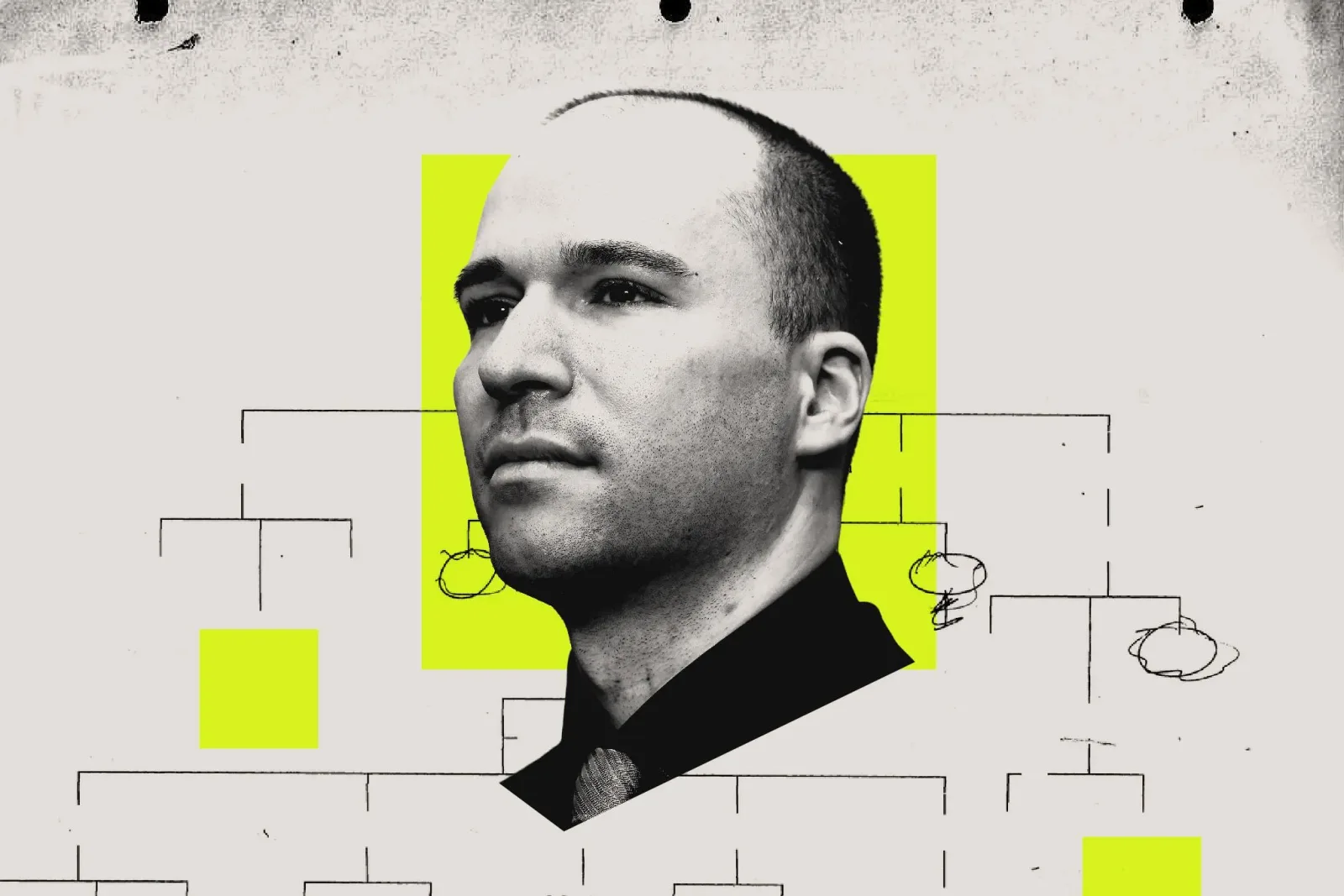
The narrative around OpenAI is shifting from chaotic founder drama to a stark consolidation of operational power. According to recent reporting by The Verge, Greg Brockman is emerging as the de facto day-to-day leader of the company. While Sam Altman remains the public face and focuses on high-level strategy, Brockman is absorbing control over critical product lines and infrastructure.
This structural change is not just about internal politics. It reflects a broader industry trend where AI companies are moving from pure research experiments to profit-driven enterprises. As OpenAI prepares for a historic IPO, the need for streamlined decision-making becomes paramount. Brockman’s new role allows for faster execution across the company’s four main arms.
Brockman now oversees the consumer side, including ChatGPT, as well as the enterprise business and major infrastructure builds. He also retains control over Codex, the coding assistant. This centralization means fewer bottlenecks for product updates and feature rollouts. It also reduces the friction that often comes with multiple competing executive visions.
The timing of this consolidation is critical. OpenAI is currently ceding some ground to competitors like Anthropic in the enterprise sector. By unifying leadership under Brockman, the company aims to sharpen its competitive edge. The goal is to accelerate development cycles and respond more quickly to market demands.
This move also highlights the tension between ambitious goals and financial reality. OpenAI needs to turn a profit in the next few years while maintaining its moonshot ambitions. Brockman’s operational focus allows Altman to handle investor relations and long-term vision. This division of labor is essential for navigating the complex path to an IPO.
For professionals using AI tools, this means OpenAI’s product roadmap may become more predictable and commercially focused. The emphasis will likely shift toward features that drive revenue and enterprise adoption. Users can expect tighter integration between consumer and business tools under this new structure.
What this means for you: As OpenAI tightens its operational focus, expect faster updates to enterprise features. To stay ahead, use an AI assistant to analyze your current workflow for inefficiencies. Try this prompt: "Review my daily tasks and identify three areas where I can automate repetitive steps using current AI tools, focusing on time savings and accuracy improvements." This helps you adapt to the faster pace of AI-driven business changes.
Reporting basis: original story
← back to The Wire