the wire · #ai · 2026-09-02
PSA: Amazon's shopping AI can now tell you if that message is a scam
Cech Tech Reviews
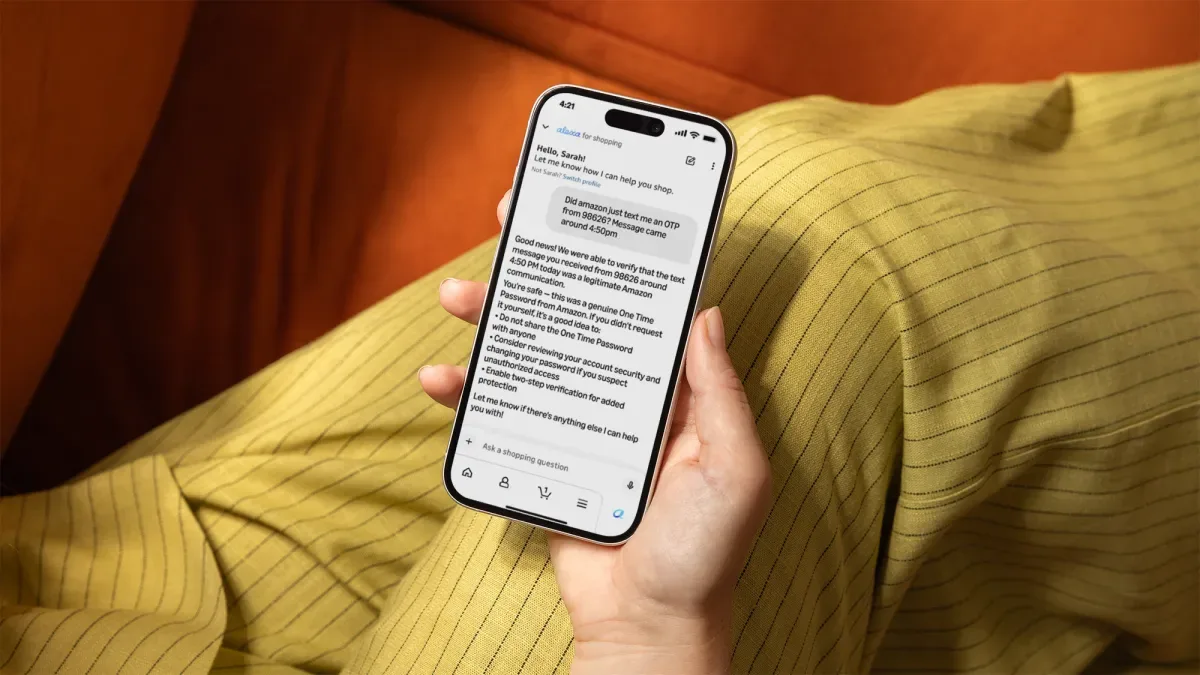
Amazon just turned Alexa into your personal scam detector. According to the company's announcement, Alexa for Shopping now includes a feature that verifies whether suspicious emails, texts, or messages claiming to be from Amazon are legitimate or phishing attempts.
This is smarter than it sounds. Phishing scams impersonating Amazon are one of the most common forms of online fraud, and most people have no easy way to verify a message without digging through their account or contacting support. Now you can just read the message to Alexa and get an instant answer. It's a use case for voice AI that actually solves a real friction point instead of just automating something that was already easy.
The feature works by cross-referencing messages against Amazon's actual communication records tied to your account. That means Alexa isn't just scanning for generic red flags, it's checking if Amazon really sent you that delivery notice or password reset request. It's a trust layer that feels overdue given how much commerce happens through Amazon and how sophisticated phishing has become.
What makes this interesting from an AI perspective is that it shows conversational assistants moving beyond information retrieval into verification and authentication roles. We're used to asking AI questions. Using it as a real-time fact-checker for messages in your inbox is a different kind of utility, one that plays to AI's strength in connecting data sources quickly.
The timing matters too. As AI-generated phishing messages get harder to spot, tools like this turn the same technology into a defense mechanism. It's an arms race, and Amazon is betting that giving users a fast, voice-activated way to verify messages will cut down on successful scams and build trust in their ecosystem.
What this means for you: If you use Amazon frequently, this is worth enabling. Beyond that, it's a reminder that AI assistants can do more than draft emails and summarize documents. They can verify information in real time. You could adapt this idea in your own workflows by using an AI assistant to cross-check facts, verify sources, or flag inconsistencies before you act on information. Try this prompt with your AI tool: "I received this message claiming to be from [company]. Based on the tone, urgency, links, and details, does this look legitimate or like a phishing attempt? What red flags should I look for?" It won't replace tools like Amazon's account-linked verification, but it's a useful second opinion when something feels off.
Reporting basis: original story
← back to The Wire