the wire · #ai · 2026-10-30
Theranos whistleblower Tyler Shultz warns that the AI boom is ‘a great opportunity to go deceive people'
Cech Tech Reviews
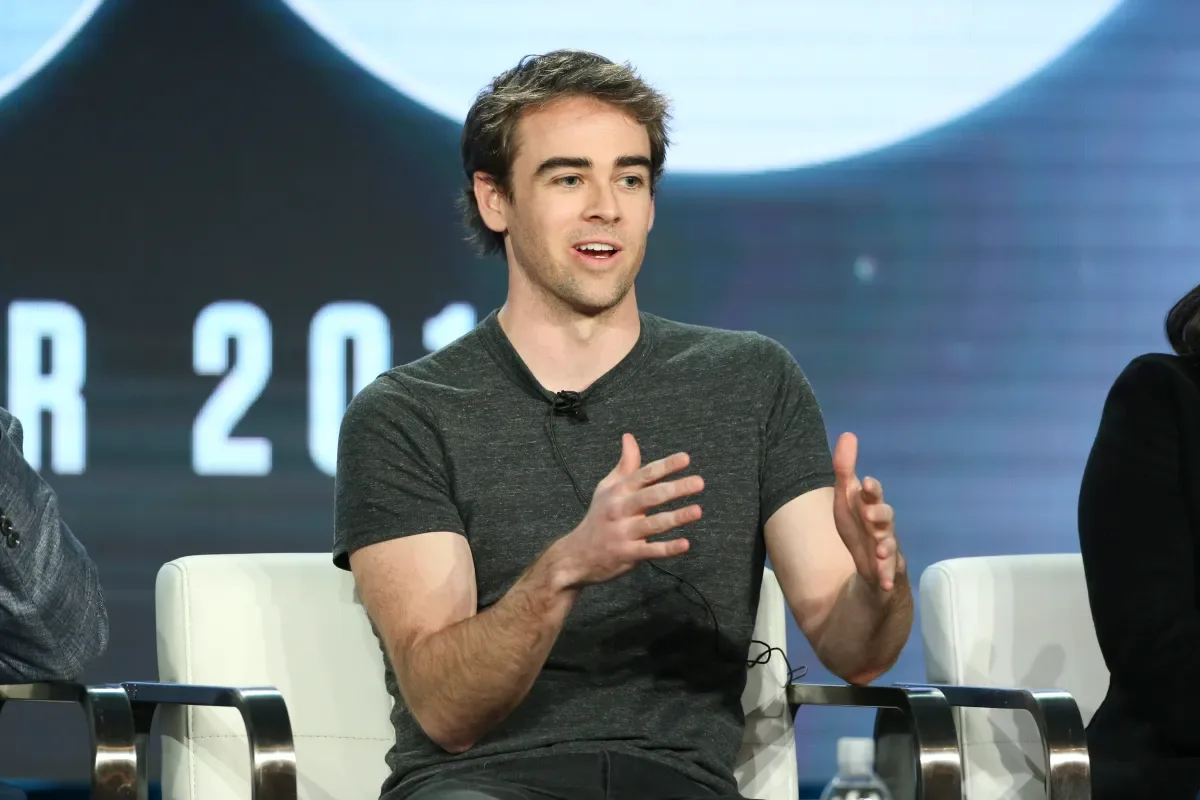
Tyler Shultz, the whistleblower whose testimony helped dismantle the Theranos empire, is sounding the alarm on the current artificial intelligence landscape. He argues that the AI boom presents a massive opportunity for bad actors to deceive investors and the public, much like the fraudulent blood-testing company did in the past. This warning carries significant weight given his firsthand experience with corporate fraud and the mechanisms that allowed it to thrive.
According to reports, Shultz draws a direct parallel between the Theranos era and today’s AI market. He points out that companies with no proven revenue models are securing valuations in the trillions of dollars. This disconnect between actual business fundamentals and market capitalization creates a fertile ground for hype-driven deception. The cautionary tale of Theranos is not just history; it is a blueprint for what can go wrong when scrutiny is replaced by enthusiasm.
The core of Shultz’s concern lies in the opacity of AI technology. Just as Theranos claimed to have proprietary technology that could not be easily verified, many AI startups are selling complex black-box solutions. Investors and clients often lack the technical expertise to audit these systems effectively. This information asymmetry allows companies to overstate their capabilities and understate their risks without immediate consequence.
We are seeing a repeat of the pattern where charismatic founders and visionary narratives overshadow due diligence. In the Theranos case, Elizabeth Holmes cultivated an image of a tech prodigy that discouraged questioning. Today, AI leaders often speak in terms of AGI and transformative potential that are difficult to quantify. This makes it easy for companies to raise capital based on future promises rather than present results.
The financial stakes are higher now than they were during the Theranos scandal. The influx of venture capital into AI has been unprecedented, with billions flowing into startups that may never achieve product-market fit. When valuations are detached from reality, the eventual correction can be devastating. It erodes trust in the entire sector and makes it harder for legitimate innovators to secure funding.
Shultz’s warning serves as a crucial reminder for entrepreneurs and investors alike. It is essential to maintain rigorous standards of transparency and accountability. Companies must be prepared to demonstrate their technology’s efficacy through independent verification. Investors need to look beyond the hype and focus on sustainable business models and clear paths to profitability.
What this means for you: As professionals leveraging AI tools, you must be skeptical of vendor claims that sound too good to be true. Always ask for third-party audits, case studies with measurable outcomes, and clear explanations of the underlying technology. Do not let the fear of missing out drive your purchasing decisions. Instead, prioritize vendors who offer transparency and are willing to undergo scrutiny. Try using this prompt to vet an AI vendor: 'List the specific metrics used to validate this AI tool’s performance, provide links to independent third-party audits, and explain the limitations of the model in our specific use case.'
Reporting basis: original story
← back to The Wire