the wire · #topnews · 2026-07-24
Satellite Images Reveal How Suspected Scam Compounds Appear Out of Nowhere
Cech Tech Reviews
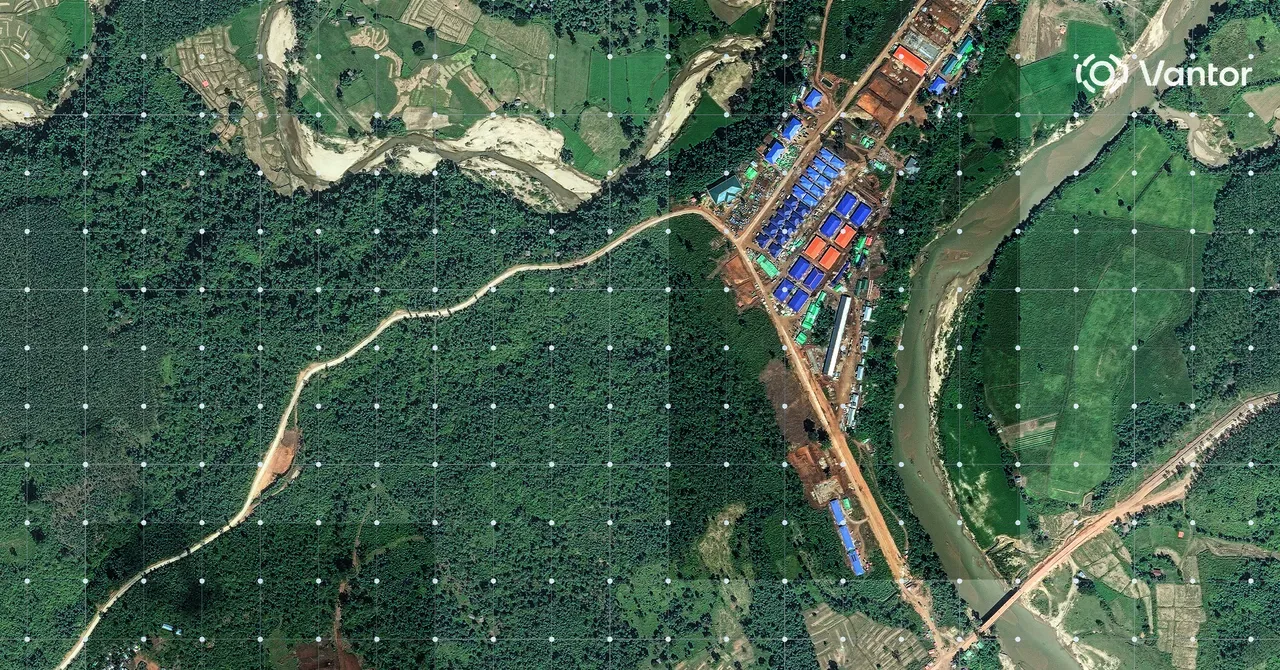
Recent analysis of satellite imagery has shed light on a disturbing trend in the fight against digital fraud. According to reports, dozens of suspected scam compounds have appeared in Myanmar over the last few months. This emergence is happening despite public statements from authorities claiming a crackdown on these criminal organizations is underway. The visual evidence suggests that enforcement efforts may be lagging behind the rapid expansion of these illicit operations.
The speed at which these facilities are being constructed is particularly alarming. These are not small, hidden hideouts but large-scale industrial complexes designed for mass fraud. The infrastructure required to support such operations includes power grids, internet connectivity, and housing for hundreds of workers. This level of organization indicates a sophisticated supply chain that supports cybercrime on a global scale.
AI technology is likely playing a central role in the operations within these compounds. Modern scam centers use generative AI to create convincing phishing emails, deepfake videos, and personalized social engineering attacks. The physical expansion of these hubs suggests that the demand for AI-enhanced fraud is growing exponentially. Criminal groups are investing heavily in the hardware needed to run these models efficiently.
The disconnect between official narratives and satellite data raises serious questions about governance and corruption. It is possible that local officials are turning a blind eye in exchange for bribes or that the central government lacks control over regional warlords. This lack of oversight allows criminal enterprises to operate with impunity. The physical presence of these compounds serves as a stark reminder of the real-world consequences of digital crime.
For cybersecurity professionals, this development signals a need for more proactive detection methods. Traditional monitoring of online activity is no longer sufficient. We must also track the physical infrastructure that supports these attacks. Geospatial intelligence can now complement digital forensics to identify emerging threat centers before they become fully operational. This hybrid approach is becoming essential for national security agencies.
The global impact of these compounds extends far beyond Myanmar. Victims worldwide are losing billions of dollars to sophisticated scams originating from these locations. The use of AI makes these attacks harder to detect and more emotionally manipulative. Financial institutions and tech companies must collaborate to share intelligence about these physical hubs. Blocking the infrastructure is just as important as blocking the digital communications.
What this means for you: As AI makes fraud more convincing, your personal vigilance is your first line of defense. You can use an AI assistant to analyze suspicious messages or emails before you respond. Try this prompt: Paste the text of a suspicious message into your AI tool and ask it to identify red flags, tone inconsistencies, or requests for urgent action that deviate from normal communication patterns. This simple step can help you spot AI-generated scams before they succeed.
Reporting basis: original story
← back to The Wire