the wire · #topnews · 2026-08-06
DeepMind Says Its AI Can Predict Hurricanes Earlier Than Everyone Else
Cech Tech Reviews
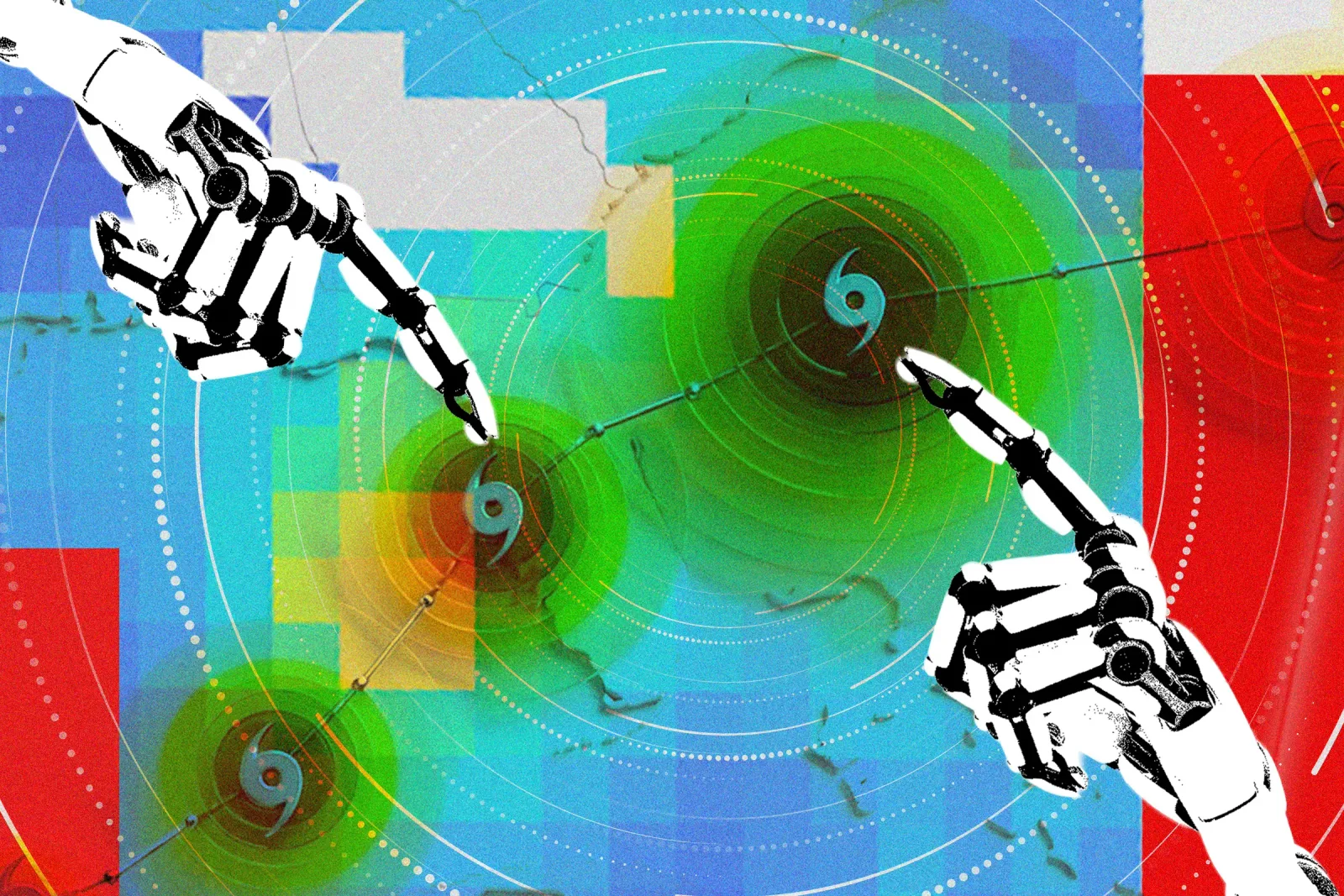
DeepMind has made a bold claim that could reshape how we prepare for extreme weather events. According to their latest research, their new WeatherNext model can predict both the track and intensity of hurricanes earlier and more accurately than existing systems. This is not just a marginal improvement but a significant leap in predictive capability for one of nature's most destructive forces.
What makes this announcement particularly intriguing is the method behind the magic. The model achieves these superior results using lower-resolution weather data than what traditional meteorological models require. This efficiency suggests that AI might be finding patterns in atmospheric data that human experts and conventional physics-based models simply miss. It is a stark contrast to the high-compute, high-resolution simulations that have dominated the field for decades.
However, there is a catch that raises as many questions as it answers. Researchers admit they do not yet fully understand how the model arrives at its predictions. This black-box nature is a double-edged sword for scientific adoption. While the accuracy is undeniable, the lack of interpretability means meteorologists cannot easily trust or integrate these insights into their operational workflows without further validation.
The decision to open-source WeatherNext is a strategic move that invites the global scientific community to dissect and verify these claims. By releasing the code and weights, DeepMind is essentially daring other researchers to find flaws in the methodology. This transparency is crucial for building trust in AI systems that are being deployed for critical infrastructure and public safety decisions.
From an industry perspective, this highlights a growing trend where deep learning models are outperforming physics-based simulations in complex systems. Whether it is weather, protein folding, or material science, AI is proving that data-driven approaches can sometimes bypass the need for explicit physical laws. This challenges the traditional hierarchy of scientific modeling and forces a reevaluation of how we validate truth in computational science.
The implications for disaster management are profound. Earlier and more accurate predictions mean more time for evacuation, better resource allocation, and potentially saved lives. If WeatherNext can consistently deliver on its promises, it could become a standard tool for meteorological agencies worldwide. The race is no longer just about who has the best supercomputers but who has the best algorithms.
What this means for you: If you work in risk management, logistics, or emergency planning, keep a close eye on the open-source community's response to WeatherNext. You can start experimenting with similar AI-driven forecasting tools to stress-test your current contingency plans. Try using an AI assistant to simulate a hurricane scenario based on historical low-res data and ask it to identify potential vulnerabilities in your supply chain or operational schedule. This proactive approach will help you stay ahead of the curve as these technologies mature.
Reporting basis: original story
← back to The Wire