the wire · #topnews · 2026-07-09
Payloads used to dictate the terms of launch. That's finally changing.
Cech Tech Reviews
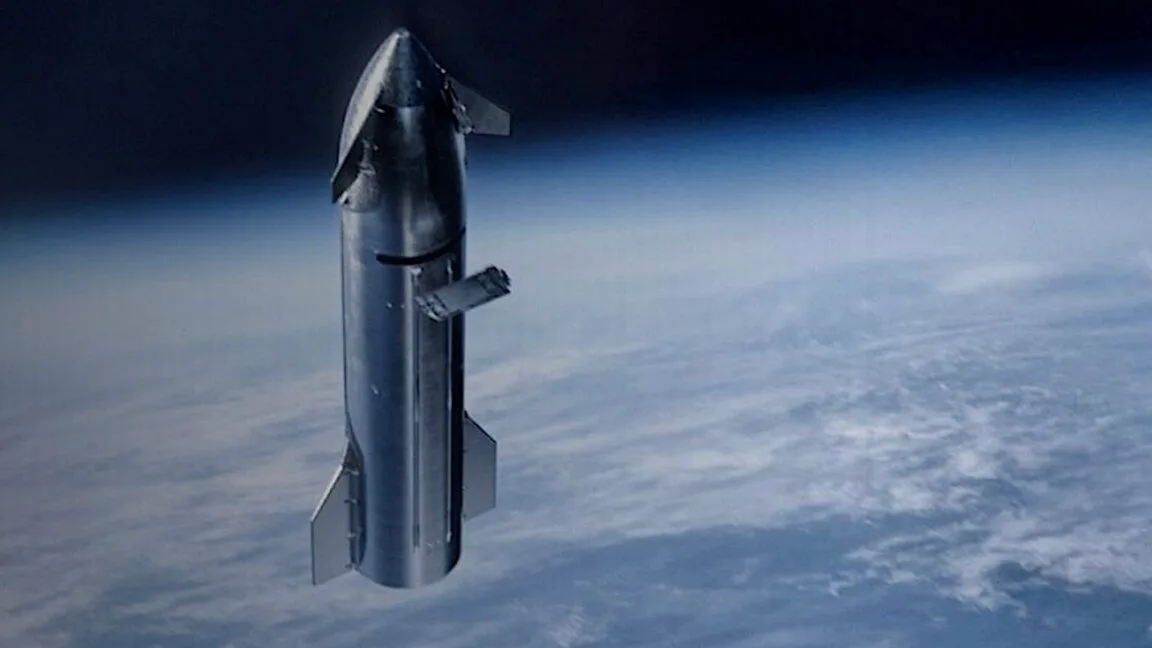
For a decade, the space industry largely ignored the idea of a super-heavy lift vehicle like Starship. Most companies were content with incremental improvements to existing rockets. That dynamic has flipped completely. Today, the entire sector is waiting for Starship to mature, driven by its staggering capacity to move more than 100 metric tons to low-Earth orbit.
According to recent reporting, this shift is not just about raw power. It is about a fundamental change in how we think about space logistics. The ability to carry such massive payloads opens doors to projects that were previously impossible. Scientists are already dreaming of giant space telescopes that require volumes no current rocket can accommodate. This is a paradigm shift from fitting instruments into tight spaces to designing them for maximum capability.
The potential for orbital refueling adds another layer of complexity and opportunity. If successful, Starship could carry the same payload mass to higher orbits, the Moon, or even Mars. This changes the math for deep space exploration. It suggests a future where missions are not limited by the delta-v of a single launch vehicle. Instead, they rely on a network of refueling stations in space. This concept is still theoretical but drives significant investment and planning.
NASA and the US military are taking this seriously. They are exploring novel ways to use Starship for lunar missions and rapid cargo transport to remote locations. The military interest highlights the strategic importance of reliable, high-volume launch capabilities. It is no longer just about science. It is about national security and logistical dominance in the final frontier.
Competitors are also reacting. China is actively seeking to develop its own version of Starship. This indicates that the US monopoly on heavy lift is under threat. The race is not just about who can build the biggest rocket. It is about who can operationalize it first. This competition will likely accelerate innovation across the entire aerospace sector.
US satellite manufacturers are adapting their designs to fit Starship's massive fairing. This is a practical response to the new reality. Companies that do not adapt risk being left behind. The industry is moving from a model of scarcity to one of abundance. This will lower costs and increase the frequency of launches for everyone involved.
What this means for you: As an AI professional, you should watch how this increased launch capacity affects data collection. More satellites mean more data. Prepare your AI models to handle larger datasets from space-based sensors. Try this workflow: Use an AI assistant to simulate how increased data volume from new satellite constellations might impact your current data processing pipelines. Ask it to identify potential bottlenecks in your existing infrastructure and suggest scalable solutions for handling terabytes of new imagery or telemetry data.
Reporting basis: original story
← back to The Wire