the wire · #topnews · 2026-08-05
Google’s Top AI Brains Are Leaving to Launch Discovery Loop
Cech Tech Reviews
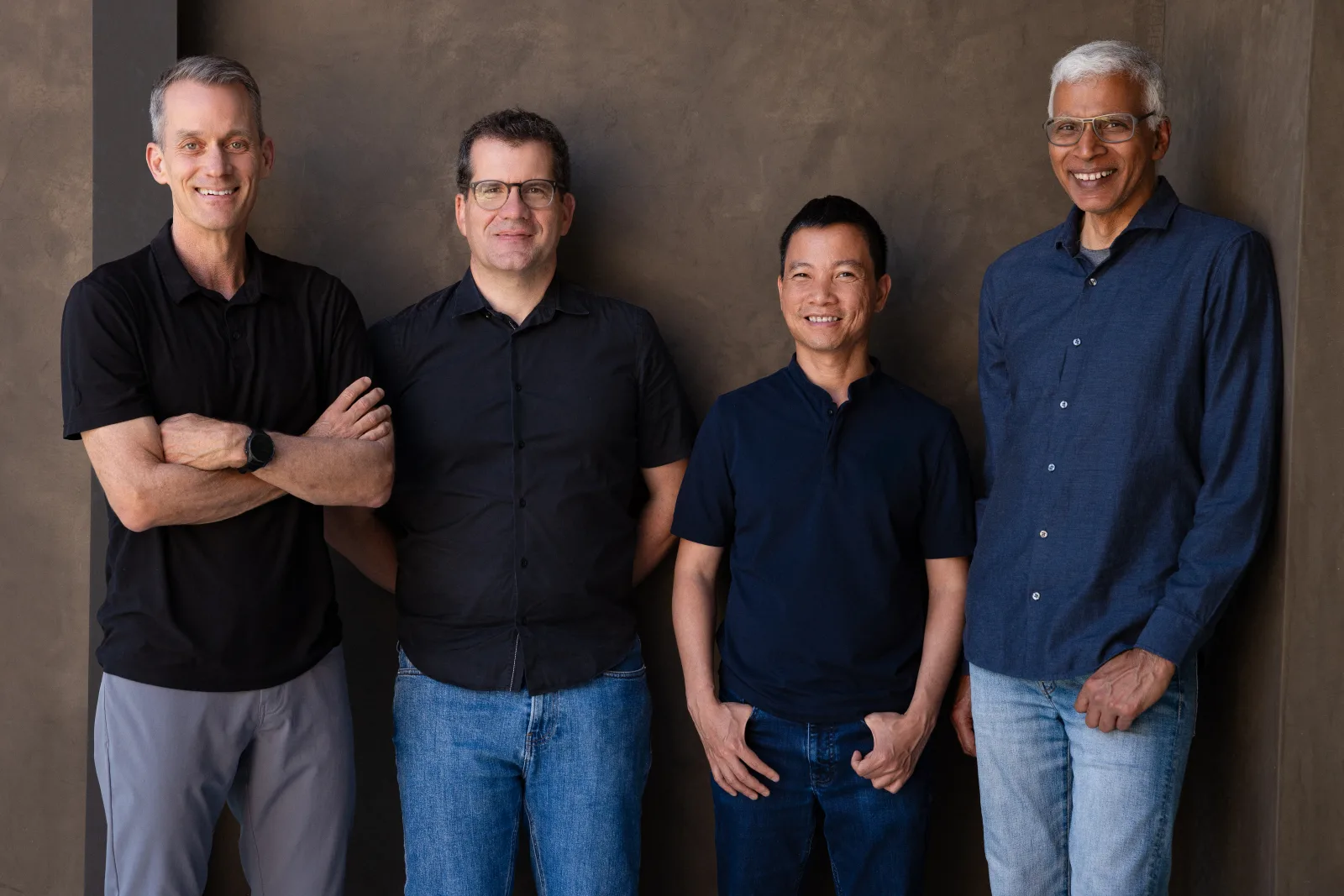
The tech world is buzzing with news that Jeff Dean, one of the most influential figures in modern computing, is leaving Google to co-found a new venture called Discovery Loop. According to recent reports, this is not just another spinoff. It is a strategic move by some of the brightest minds in artificial intelligence to tackle problems that have historically been too complex for traditional methods. This departure marks a significant moment for the industry, suggesting that the next wave of AI innovation will be deeply intertwined with hard science.
Dean is not alone in this endeavor. He is joined by other high-profile Google executives who have spent years building the infrastructure that powers Google Cloud and its internal AI models. Their collective expertise in large-scale machine learning and distributed systems is rare. By pooling their knowledge, they aim to create a platform that can accelerate discovery in fields ranging from pharmaceuticals to semiconductor design. This move highlights a growing trend where AI is no longer just a tool for efficiency but a primary engine for scientific breakthrough.
The scope of Discovery Loop is ambitious. The startup intends to apply AI-powered solutions to challenges in drug discovery, materials science, and chip design. These are areas where the search space is so vast that human intuition alone is insufficient. AI models can now simulate molecular interactions or optimize circuit layouts in ways that were previously impossible. This shift represents a fundamental change in how we approach R&D, moving from trial and error to predictive modeling and simulation.
This development also raises interesting questions about the future of corporate AI research. For years, tech giants like Google, Microsoft, and Meta have been the primary drivers of foundational AI progress. By leaving to form a specialized startup, these experts are betting that the next big leaps will come from focused applications rather than general-purpose models. It suggests a maturation of the AI landscape, where specialized tools for specific industries may hold more immediate value than broad foundational models.
The implications for the broader tech ecosystem are profound. If Discovery Loop succeeds, it could set a new standard for how AI is integrated into scientific workflows. Other companies may follow suit, creating specialized AI labs dedicated to solving niche but high-impact problems. This could lead to a more fragmented but potentially more innovative AI market, where value is created through deep domain expertise rather than just scale.
For professionals in the AI space, this news serves as a reminder of the rapid evolution of the field. The lines between software engineering, data science, and traditional scientific research are blurring. Those who can bridge these gaps will be in high demand. It is also a signal that the industry is moving towards more practical, application-driven AI solutions rather than just chasing benchmarks on general language tasks.
What this means for you is that the application of AI to scientific and engineering problems is becoming a viable and lucrative career path. You should start exploring how AI tools can assist in your specific domain, whether it is coding, data analysis, or creative design. To get started, try using an AI assistant to help you brainstorm potential applications of machine learning in your current workflow. You can use a prompt like: Identify three repetitive tasks in my daily work that could be automated using existing AI APIs, and suggest a simple workflow for each.
Reporting basis: original story
← back to The Wire