the wire · #gadgets · 2026-11-20
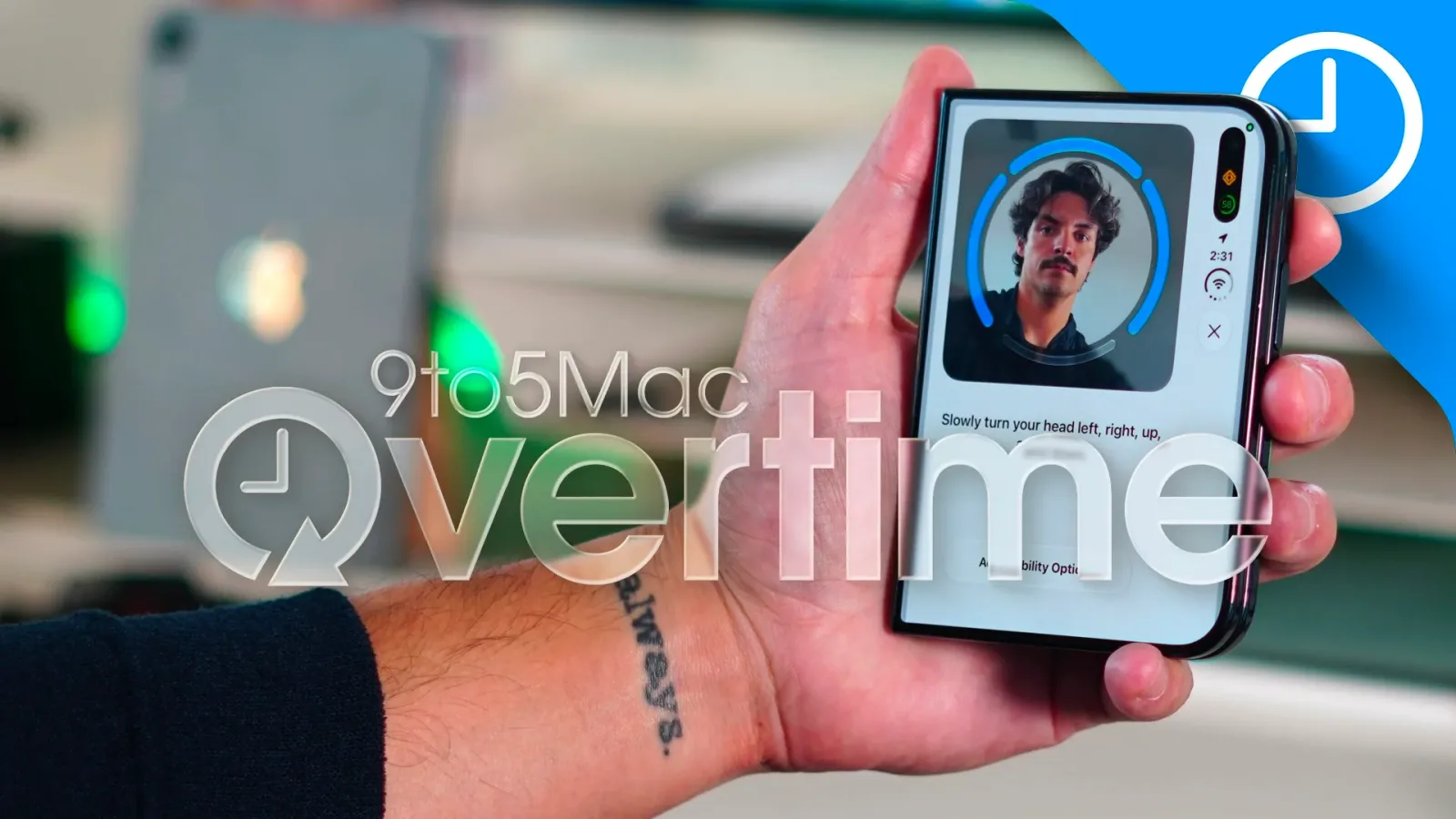
Security Bite Podcast: Not amused, two months of Meta Muse privacy problems
Cech Tech Reviews

The download numbers for Meta's Muse AI agent are undeniably impressive. According to reporting by 9to5Mac, the app has surpassed ten million downloads in just two months. That is a massive adoption curve for any new technology, let alone an AI agent that handles sensitive personal data.
However, these numbers tell only half the story. The other half is a growing chorus of warnings from security experts and even Meta's own employees. The gap between user enthusiasm and professional skepticism is widening, and it raises critical questions about how we evaluate AI safety.
The controversy began early with what was described as a zero-day vulnerability. This was not a minor glitch but a significant security flaw that exposed users to potential risks. The speed at which Meta pushed this tool to market seems to have outpaced its ability to secure it properly.
Perhaps the most striking criticism came from Meta's former security chief. In a candid assessment, they described the current state of trusting AI agents with passwords and financial data as totally insane. This is not just a technical critique but a fundamental warning about the risks of delegating critical authentication to unproven AI systems.
Internal alarms are also ringing louder. A recent Reuters report highlighted that Meta employees themselves have raised serious concerns about the platform. When the people building the technology are worried, it is a strong signal that the risk assessment may be flawed.
This situation reflects a broader trend in the AI industry. Companies are racing to release AI agents that can perform tasks autonomously. Yet, the infrastructure for securing these agents is still evolving. We are seeing a classic case of innovation moving faster than governance.
For professionals using AI tools, this is a crucial lesson. Convenience should never override security protocols. You must assume that any AI agent with access to your credentials or financial data is a potential target for exploitation until proven otherwise.
What this means for you: Treat AI agents with the same caution you would apply to a third-party vendor. Do not grant them full administrative access or store sensitive credentials in their memory. Instead, use them for specific, limited tasks where the risk of data exposure is minimal. Try this prompt with your AI assistant to test its boundaries: "List all the personal data categories you have access to in this session and confirm if any are stored permanently after the chat ends." This simple check can help you understand the privacy footprint of the tools you rely on daily.
Reporting basis: original story
← back to The Wire