the wire · #gadgets · 2026-11-21
9to5Mac Overtime 091: Kicking the tires and seeing what works
Cech Tech Reviews
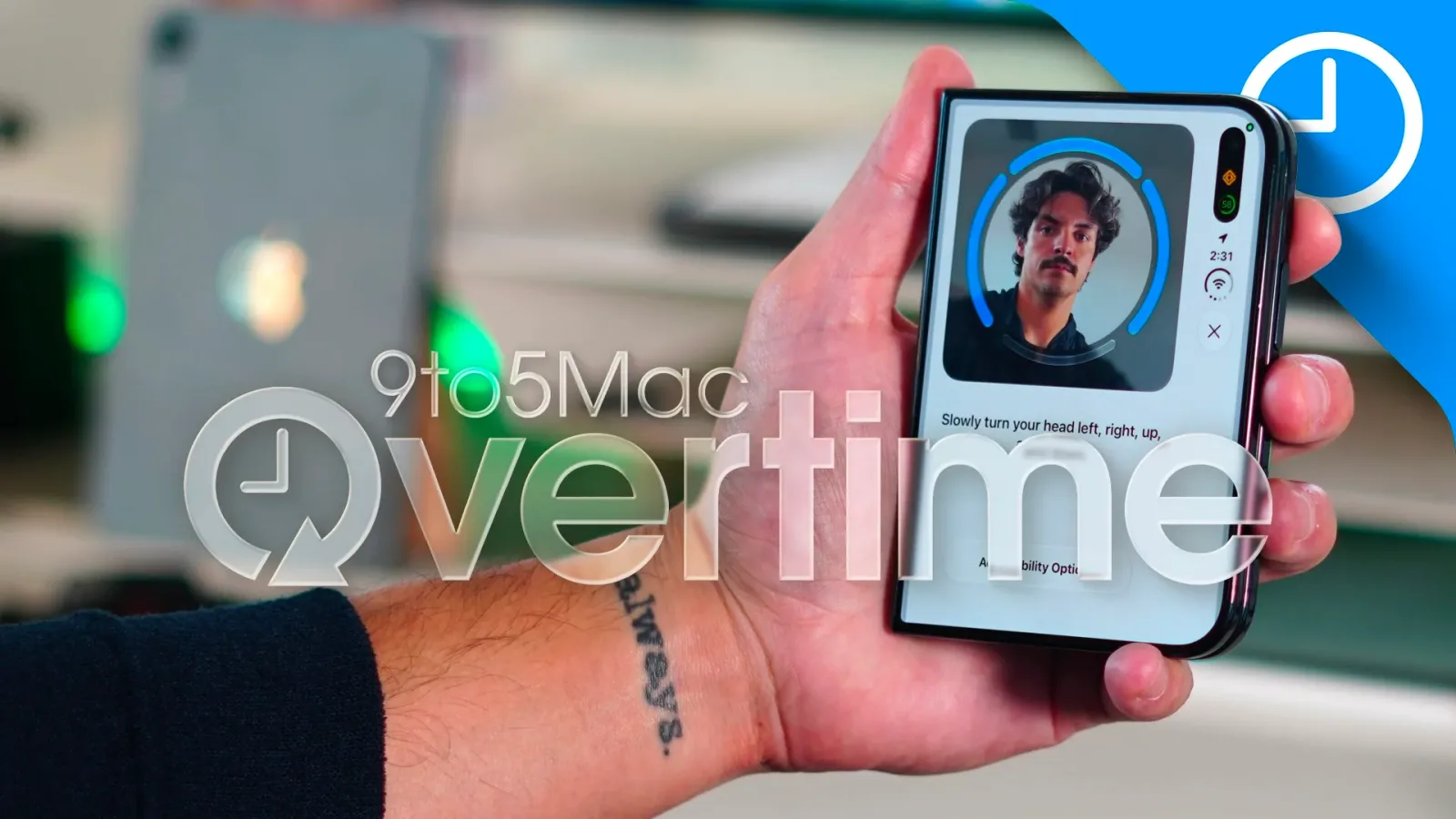
The latest installment of 9to5Mac’s Overtime podcast offers a rare glimpse into the friction points of Apple’s latest software and hardware updates. Fernando Silva and Jeff Benjamin spent a month testing the iPhone Duo and the new iOS 27.3 beta 2, revealing that the promised face unlock improvements come with a catch. They found the close-to-lock toggle to be a necessary compromise for security, suggesting that user convenience is still being balanced against strict biometric verification protocols.
What stands out most is the deep dive into Siri’s integration with the Health app. According to their reporting, this new access is not just a feature addition but a significant shift in how AI assistants can interact with personal data. However, the hosts noted several quirks that indicate the underlying model is still learning how to handle sensitive medical information without overstepping or providing confusing responses. This highlights the ongoing challenge of making AI assistants truly useful in critical personal domains.
The conversation then shifts to hardware, specifically the M6 Mac mini and the new iPad mini. The hosts were impressed by the raw performance but critical of Apple’s configuration strategy. They pointed out that the base models are becoming increasingly limited, forcing users into expensive upsells to get a usable machine. This trend reflects a broader industry move where entry-level hardware is designed to be a loss leader, with profitability driven entirely by memory and storage upgrades.
Another interesting technical note involves the HomePod mini stereo pair on Mac. While the audio quality improvement is noticeable, the setup process remains more complex than it should be for a seamless smart home experience. This suggests that Apple is still prioritizing ecosystem lock-in over plug-and-play simplicity in their audio hardware line.
The episode also touches on the iPhone Duo, a device that has been in development for years. After a month of use, the hosts concluded that while the form factor is innovative, the software optimization for dual-screen workflows is still in its infancy. This indicates that hardware innovation often outpaces the software ecosystem’s ability to fully leverage it.
For AI professionals and tech enthusiasts, this reporting serves as a reminder to look beyond the marketing hype. The real value lies in how these tools handle edge cases and data privacy. The Siri Health app access is a prime example of where AI is moving, but the current quirks suggest we are still in the early adoption phase.
What this means for you If you are integrating AI into your workflow, pay close attention to how new models handle sensitive data. The Siri Health app integration is a test case for the future of personal AI. Try using an AI assistant to summarize your weekly health trends from exported data files. This allows you to test the AI’s analytical capabilities without relying on proprietary app integrations that may have privacy quirks. Use a prompt like: "Analyze this CSV of my daily step count and sleep hours for the last month. Identify any correlations between sleep duration and activity levels, and suggest three actionable adjustments for better recovery."
Reporting basis: original story
← back to The Wire