the wire · #gadgets · 2026-11-21
Apple @ Work: Workbrew 2.0 is an inventory for the development software your employees installed without asking
Cech Tech Reviews
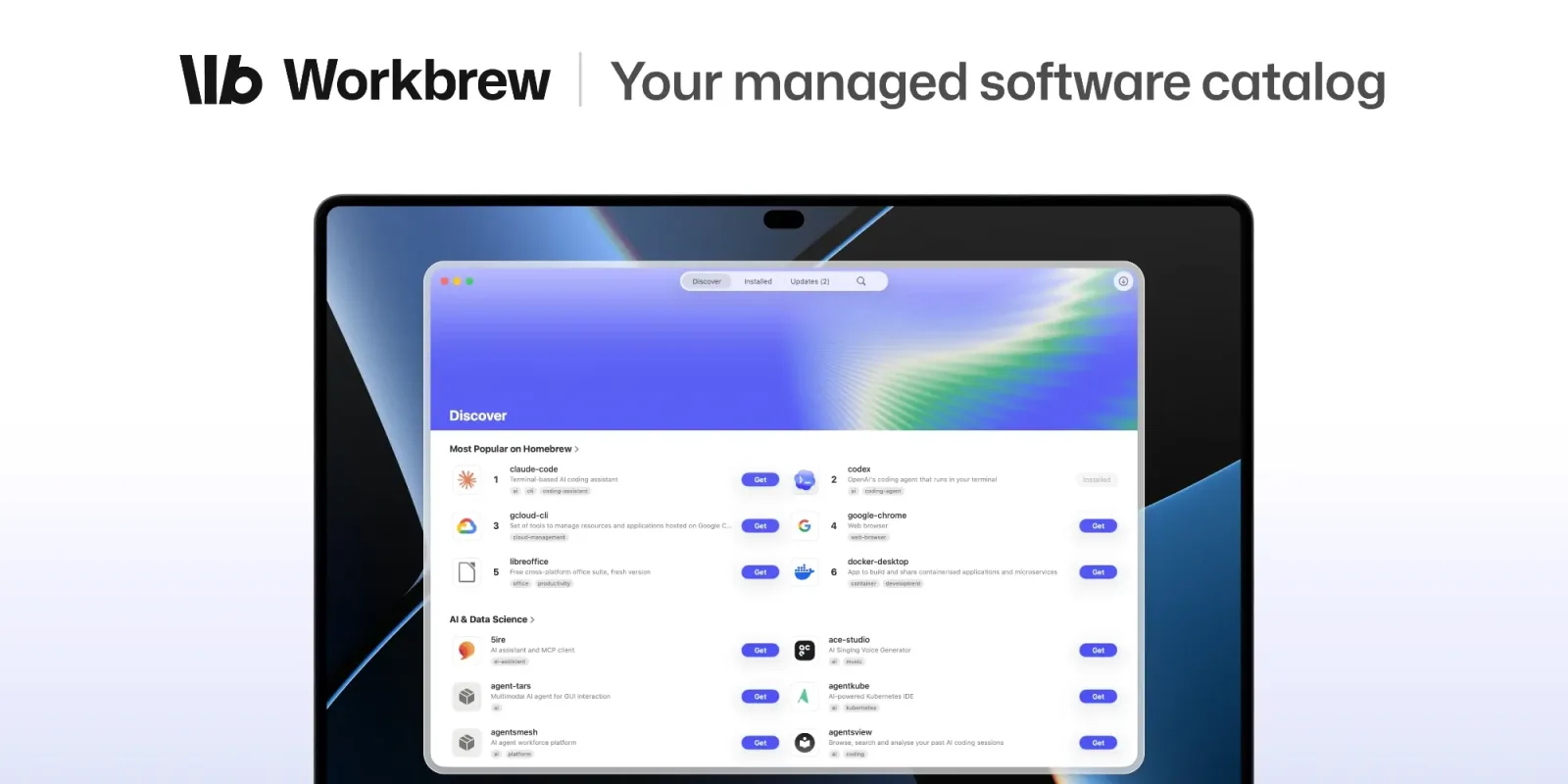
The modern enterprise IT landscape has a blind spot that traditional device management platforms simply cannot see. While tools like Mosyle excel at tracking officially deployed applications, they often miss the chaotic reality of developer workflows. According to recent reporting, this gap is becoming a significant security risk, particularly as AI tools accelerate the pace of software installation and modification.
Enter Workbrew 2.0, a solution designed specifically to inventory the software that developers install without asking. This includes Homebrew packages, VS Code extensions, and npm dependencies that are pulled into projects on the fly. These tools are rarely procured by finance or approved by security teams, yet they reside on corporate devices and access sensitive data.
The core issue here is the divergence between corporate policy and developer productivity. Developers need speed and flexibility to experiment with new AI models and libraries. IT departments need control and visibility to prevent data leaks and compliance violations. Workbrew 2.0 attempts to bridge this divide by providing visibility into the unmanaged software ecosystem on Macs.
This is not just about inventory for inventory sake. In the AI era, the attack surface expands with every new library or extension installed. A single unvetted npm package could introduce a supply chain vulnerability. By making these installations visible, IT teams can assess risk without stifling the innovation that drives technical progress.
The reporting highlights that over 45,000 organizations already trust Mosyle for device management. However, the introduction of Workbrew 2.0 suggests that managing Apple devices now requires a more nuanced approach. It acknowledges that developers will install what they need, so the goal shifts from prohibition to intelligent oversight.
This shift reflects a broader trend in tech security. We are moving away from rigid perimeter defenses toward continuous visibility and adaptive control. For IT admins, this means adopting tools that understand the developer experience rather than fighting against it. It is about enabling safe experimentation rather than blocking all change.
What this means for you If you manage any technical teams, you likely have shadow software running on your devices. Start by auditing your current visibility gaps. You can use an AI assistant to help draft a policy that balances security with developer freedom. Try this prompt: "Draft a balanced IT policy for Mac developers that allows Homebrew and npm usage but requires automated scanning for known vulnerabilities before deployment."
The rise of AI-driven development tools will only make this problem more complex. Organizations that ignore the unmanaged software layer do so at their own peril. Visibility is the first step toward security, and Workbrew 2.0 offers a practical path forward for Apple-centric enterprises.
Reporting basis: original story
← back to The Wire