the wire · #ai · 2026-07-27
Satya Nadella says companies that trust one AI for everything may not survive
Cech Tech Reviews
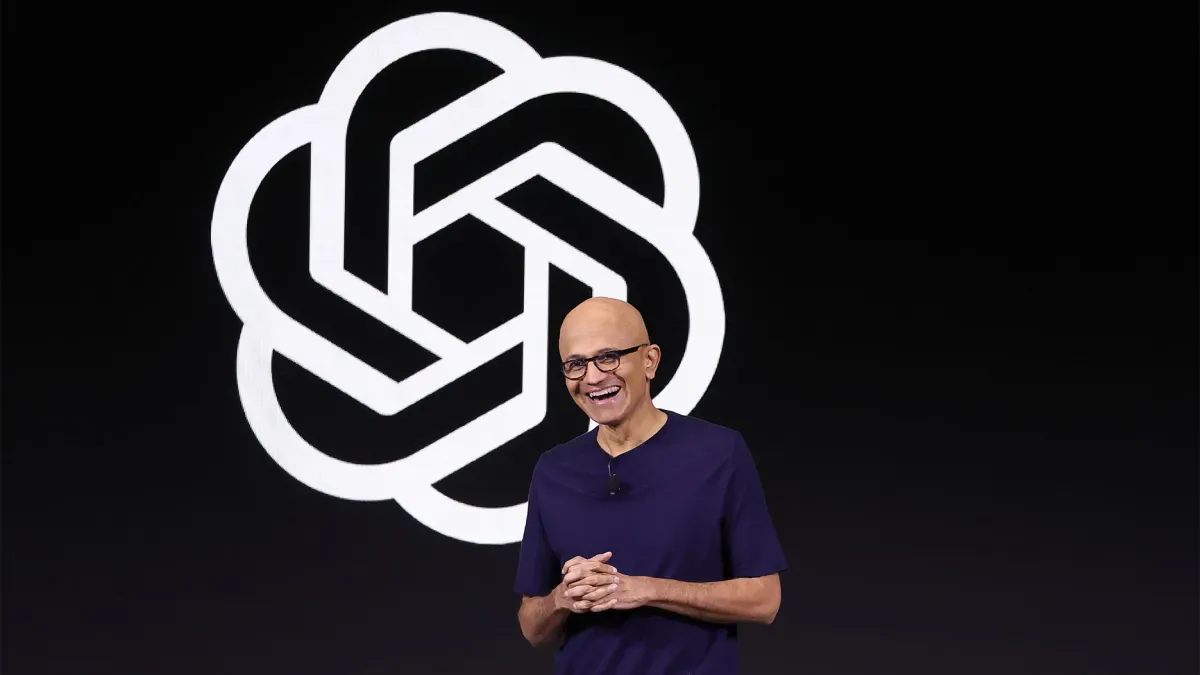
Satya Nadella has issued a stark warning to the business world that is reshaping how we think about artificial intelligence integration. According to his recent comments, companies that place all their eggs in one basket by trusting a single AI provider may not survive the coming market shifts. This is not just a casual observation but a strategic imperative for enterprises navigating the current AI landscape.
The core of Nadella’s argument focuses on the danger of vendor lock-in and the fragility of single-point dependencies. He suggests that organizations without their own foundational models or a critical layer of infrastructure known as AI gateways are setting themselves up for failure. These gateways act as a buffer, separating your specific business prompts from the underlying model itself. This separation is crucial for maintaining control and flexibility in an rapidly evolving tech ecosystem.
This perspective aligns with a broader industry trend where enterprises are moving away from simple API calls to more complex, managed AI architectures. The rise of AI gateways allows companies to route requests to different models based on cost, performance, or specific task requirements. It essentially creates a middleware layer that can switch providers if one model underperforms or becomes too expensive. This agility is becoming a competitive advantage rather than just a technical nicety.
Nadella’s stance also implies that having proprietary models or a strong stance on infrastructure is becoming a moat for large enterprises. Smaller companies might struggle to build these layers, but they can leverage existing gateway solutions to achieve similar resilience. The message is clear that technical debt in AI integration can be just as costly as financial debt in traditional business operations.
For professionals and entrepreneurs, this means that your AI strategy must be modular and adaptable. You should avoid building workflows that are hard-coded to a single provider’s API. Instead, design systems that can abstract the model layer. This approach ensures that you can swap out components as the technology matures without rewriting your entire application stack.
What this means for you is that you need to audit your current AI dependencies immediately. If your critical business processes rely on a single model, you are vulnerable to price hikes, outages, or capability gaps. Start implementing a routing strategy that allows you to test and switch models easily. You can use an AI assistant to help you draft a multi-model routing script by asking it to create a Python function that accepts a prompt and routes it to different API endpoints based on predefined criteria like latency or cost thresholds.
Reporting basis: original story
← back to The Wire